Samsung is reportedly preparing to significantly expand its foldable phone lineup in 2027, with plans to unveil six models as it braces for competition from Apple’s newly revealed iPhone Duo. The move comes amid signs of strong demand for Apple’s dual-screen device, which has already encountered severe supply shortfalls. The iPhone Duo’s launch has stirred Samsung into accelerating its foldable roadmap in an effort to stay ahead in the evolving premium smartphone category.
What’s Expected from Samsung in 2027
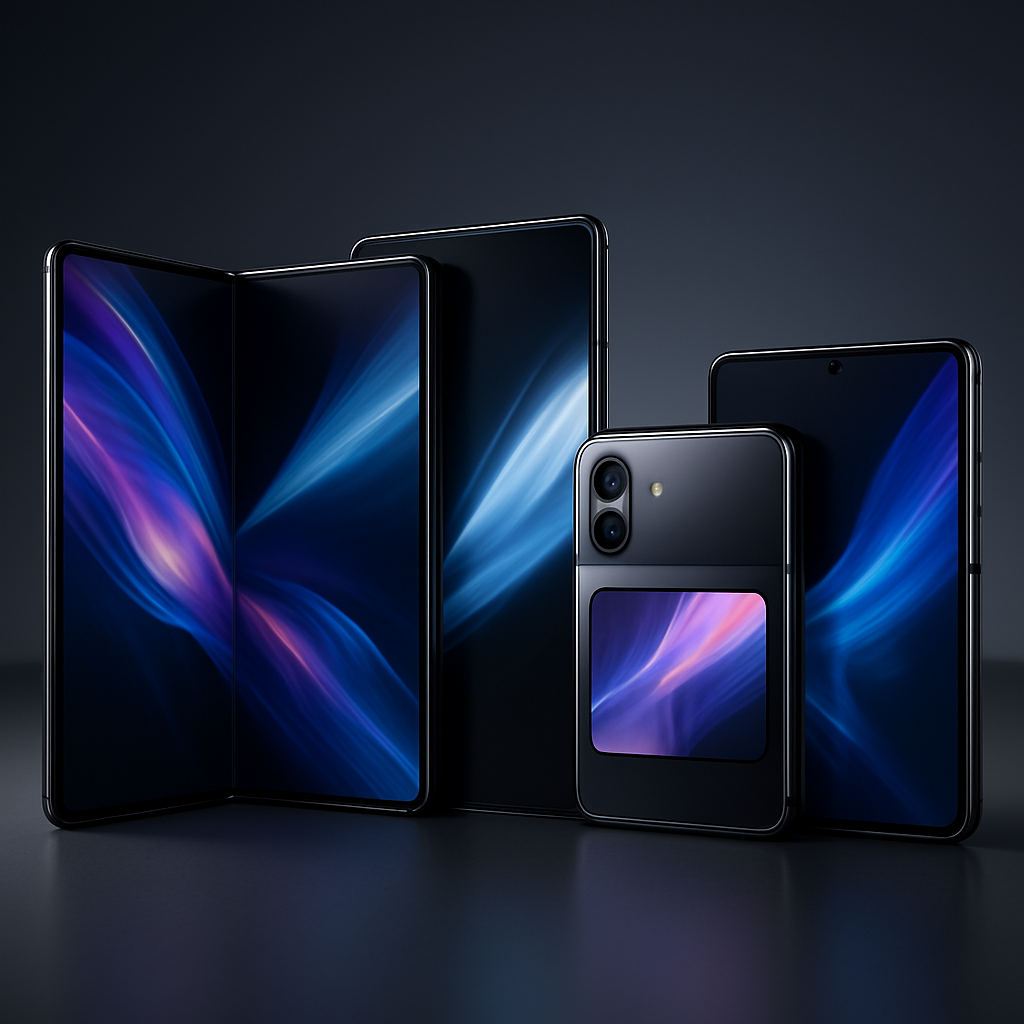
According to leaks, Samsung may introduce six foldable phones next year: a Galaxy Z Slide, Galaxy Z TriFold 2, Galaxy Z Fold9 Ultra, Galaxy Z Fold9 Pro, Galaxy Z Fold9, and Galaxy Z Flip9. These models span the full range of form factors, from slide-style and tri-fold designs to variations of the Fold and Flip lines, and are meant to cover every square inch of the foldable market. Of note is that the TriFold 2 is also believed to be arriving earlier than originally planned.
The strategy appears to be part of a “spray-and-pray” tactic: rather than placing all hopes on a single marquee device, Samsung is spreading its bets to see which designs resonate most with customers. This wide release could help it counter the buzz and potential dominance of Apple’s new entrant.
Why the Push, and What’s at Stake
Apple’s entry into foldables marks a significant shift for the industry. The iPhone Duo is already facing high demand compared to supply, putting Samsung on notice. The Korean giant had previously downplayed Apple’s announcement, claiming its foldables were lighter and its launch schedule was sufficient. But signals now suggest Samsung believes it needs to match Apple’s scale and impact to avoid losing ground.
The foldable segment has been growing, with Flip and Fold models slowly moving from novelty toward more mainstream adoption. If Apple manages to undercut or outshine Samsung in the size, design, or pricing of dual-screen hardware, Samsung’s market share could suffer. The six-model launch, while ambitious, shows that Samsung understands the stakes.
The risks are real: too many models can cause consumer confusion, inflate development costs, and scatter marketing efforts. Still, broader availability and more choice could also accelerate innovation, give consumers options, and force Apple to push harder in return.
At its core, this clash underscores a turning point in smartphones. Samsung’s reported lineup expansion could reshape expectations: if it offers premium build quality, long-lasting software support, and solid battery life across all six devices, it can maintain leadership in foldables. For consumers, more competition often means better prices and faster leaps in tech—so the coming year should be exciting.