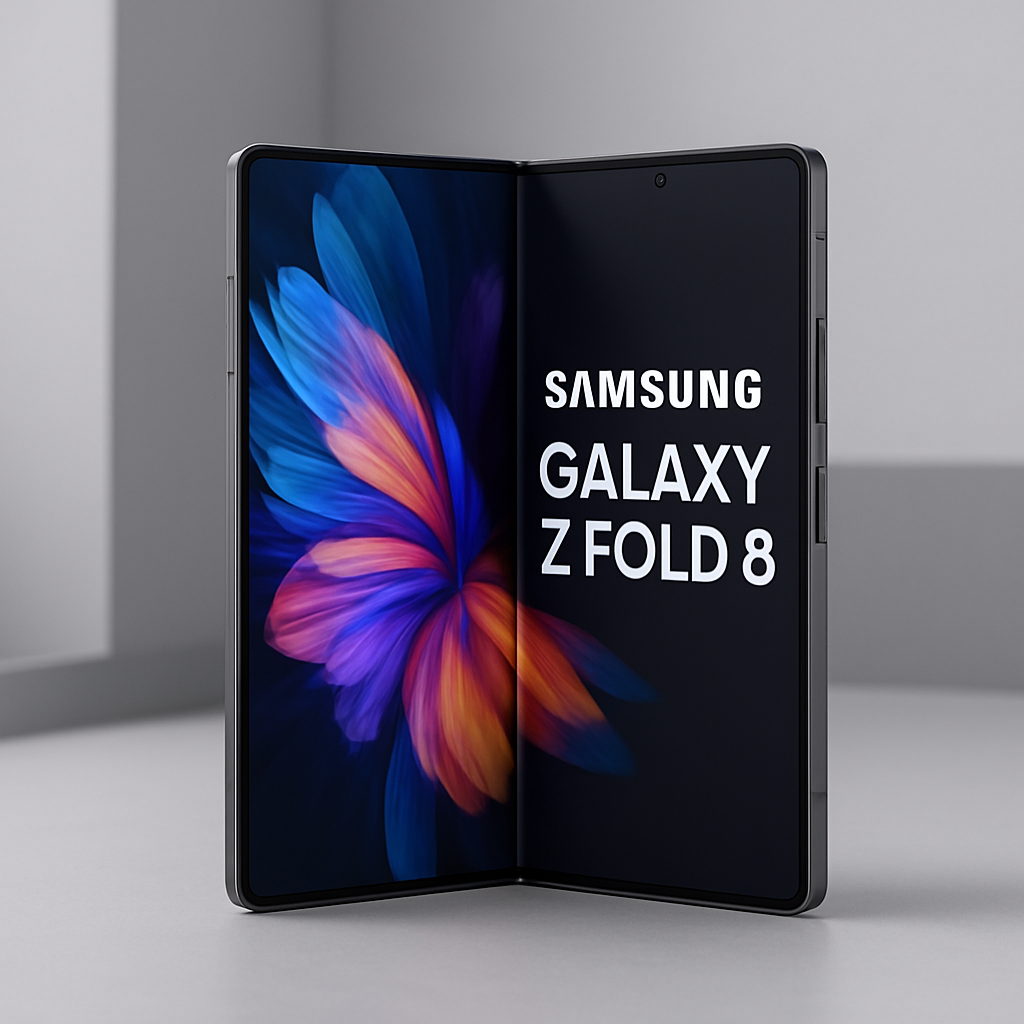
Samsung’s latest addition to its foldable lineup, the Galaxy Z Fold 8, introduces a significant shift in design philosophy, aiming to appeal to a broader audience. Departing from the tall and narrow form factors of its predecessors, the Z Fold 8 adopts a wider, more compact design reminiscent of earlier foldable concepts.
Design and Display
The Galaxy Z Fold 8 features a 16:10 aspect ratio on its outer display, resulting in a shorter and wider profile compared to conventional smartphones. This design choice offers a fresh user experience, though it may require some adjustment for those accustomed to taller devices. The inner display boasts a 4:3 aspect ratio, akin to that of an iPad, effectively providing users with a pocket-sized tablet experience.
While the new form factor enhances certain aspects of usability, it also presents challenges. Some applications may not fully optimize for the unique screen dimensions, leading to occasional interface quirks. However, the overall adaptability of Android ensures a generally smooth experience.
Performance and Battery Life
Under the hood, the Galaxy Z Fold 8 is powered by the Snapdragon 8 Elite Gen 5 processor, coupled with options for 12GB or 16GB of RAM and storage capacities ranging from 256GB to 1TB. This robust configuration ensures seamless multitasking and efficient performance across various applications.
Addressing previous concerns about battery longevity, Samsung has incorporated silicon-carbon battery technology into the Z Fold 8. This advancement allows for a 4,800 mAh battery within a more compact chassis, marking a notable improvement over earlier models. Additionally, the device supports 45W fast charging, significantly reducing downtime for users on the go.
User Experience and Accessibility
One of the standout improvements in the Galaxy Z Fold 8 is the refinement of the display crease. Samsung has made substantial progress in minimizing the visibility and feel of the crease, enhancing the overall viewing experience. Furthermore, adjustments to the hinge design have made the device easier to open, addressing feedback from previous iterations.
Despite these advancements, the new shape does not significantly enhance video viewing experiences. The 4:3 aspect ratio of the inner display results in black bars during video playback, similar to previous models. However, the wider form factor does contribute to a more comfortable grip and improved usability for reading and web browsing.
In summary, the Galaxy Z Fold 8 represents a strategic shift by Samsung to make foldable technology more accessible to the general public. By adopting a wider design and addressing key user concerns, Samsung aims to broaden the appeal of foldable devices beyond niche markets. As the foldable segment continues to evolve, it will be interesting to see how consumers respond to these design changes and whether they set a new standard for future devices.