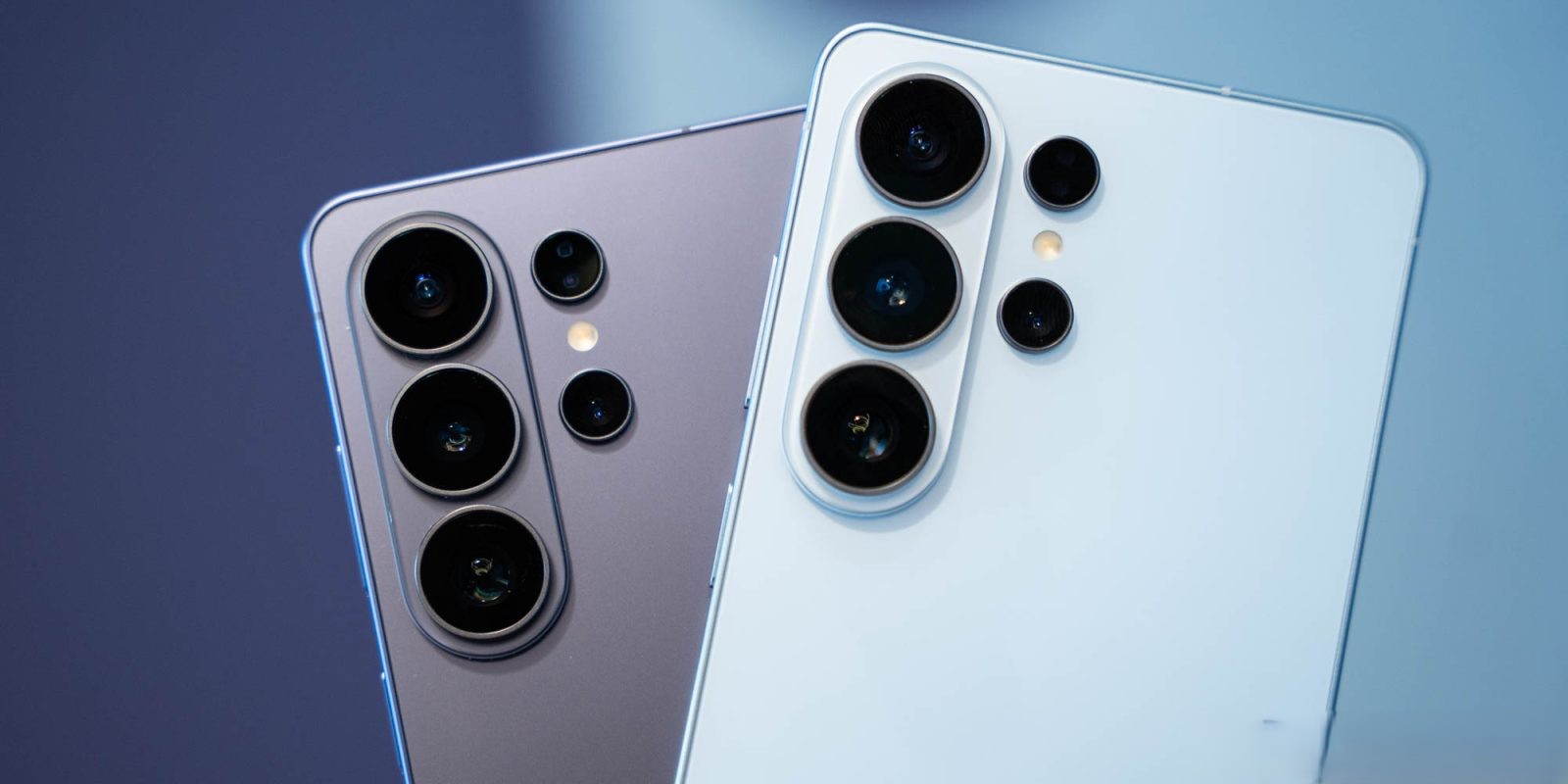
Samsung Galaxy S27 Ultra to Feature Advanced 200MP Camera with LOFIC Technology
As the tech world eagerly anticipates the next evolution in smartphone photography, early reports suggest that Samsung’s upcoming Galaxy S27 Ultra will introduce significant enhancements to its camera system. Central to these advancements is the integration of a new 200-megapixel (MP) sensor, potentially revolutionizing mobile imaging.
Enhanced Sensor Size and LOFIC Technology
According to industry insiders, Samsung is developing a flagship image sensor named ISOCELL HPA, boasting a 200MP resolution and a substantial 1/1.12-inch optical format. This sensor is expected to incorporate Lateral Overflow Integration Capacitor (LOFIC) technology, which significantly improves dynamic range by capturing more details in both highlights and shadows. This advancement addresses common challenges in smartphone photography, particularly in high-contrast lighting conditions.
Potential Integration into the Galaxy S27 Ultra
While the ISOCELL HPA sensor is slated for a 2027 release, reports indicate that Samsung plans to introduce a variant of this sensor, referred to as the HP6, in the Galaxy S27 Ultra. This modified version is expected to feature a slightly smaller 1/1.3-inch sensor size while maintaining performance comparable to the larger HPA sensor. This strategic adaptation aims to balance enhanced imaging capabilities with the design constraints of a flagship smartphone.
Comparative Advancements in Smartphone Imaging
The integration of LOFIC technology in the Galaxy S27 Ultra aligns with broader industry trends, as competitors like Apple and Xiaomi are also rumored to adopt similar technologies in their upcoming devices. This collective shift underscores a growing emphasis on improving dynamic range and overall image quality in smartphone cameras.
Historical Context and Anticipation
Samsung’s commitment to advancing camera technology is evident in its recent flagship models. The Galaxy S26 Ultra, for instance, introduced a 200MP main sensor with a wider f/1.4 aperture, enhancing low-light performance and image brightness. The anticipated upgrades in the Galaxy S27 Ultra suggest a continued focus on delivering superior photographic experiences to users.
Conclusion
While these developments are based on early reports and should be approached with cautious optimism, they indicate a promising trajectory for the Galaxy S27 Ultra’s camera capabilities. As the official release approaches, consumers can look forward to potential breakthroughs in smartphone photography, setting new standards for image quality and dynamic range.