Back when Apple was reeling from weak sales and losing ground to PC rivals, Steve Jobs clearly considered one high-stakes move its only path forward: opening Apple Stores. Ron Johnson, who led Apple’s retail design, recalls how launching physical stores around 2001 was such a massive gamble that some believed it threatened Apple’s survival—yet Jobs saw it as essential. The gamble involved millions of dollars when cash was tight, but it ultimately allowed Apple to speak directly to customers on its own terms.
From Big-Box Disappointment to Storefront Innovation
In the late ‘90s, Apple’s strategy depended on selling its Mac and iMac products through big-box retailers alongside PCs. But those channels consistently undersold Apple products. Johnson remembers Apple was up against competitors with inferior machines but sharper price tags, while Apple was seen as premium yet unreachable. Thus, Apple Stores were conceived as the only way to control the experience—and accept that this level of investment might be absolutely necessary.
An early store prototype showed Apple had just four products: two desktops, two laptops. With that slender lineup, Johnson and the team saw opportunity, not weakness. They designed stores with expansive product experiences, photography bays, theaters, Genius Bars—spaces where customers could interact, learn, and feel in control.
Design, Delays & The Richard of Apple’s Flagship Locations
During development, Jobs and Johnson made the bold call to delay the first store by six months. On one hand, that meant cost overruns—leases, preparation, staffing—but skipping over corners paid off. When the stores finally opened, they delivered polished, fully-realized designs meant to enchant customers. Jobs often pushed hard for that perfection: “you get one chance,” Johnson recalls.
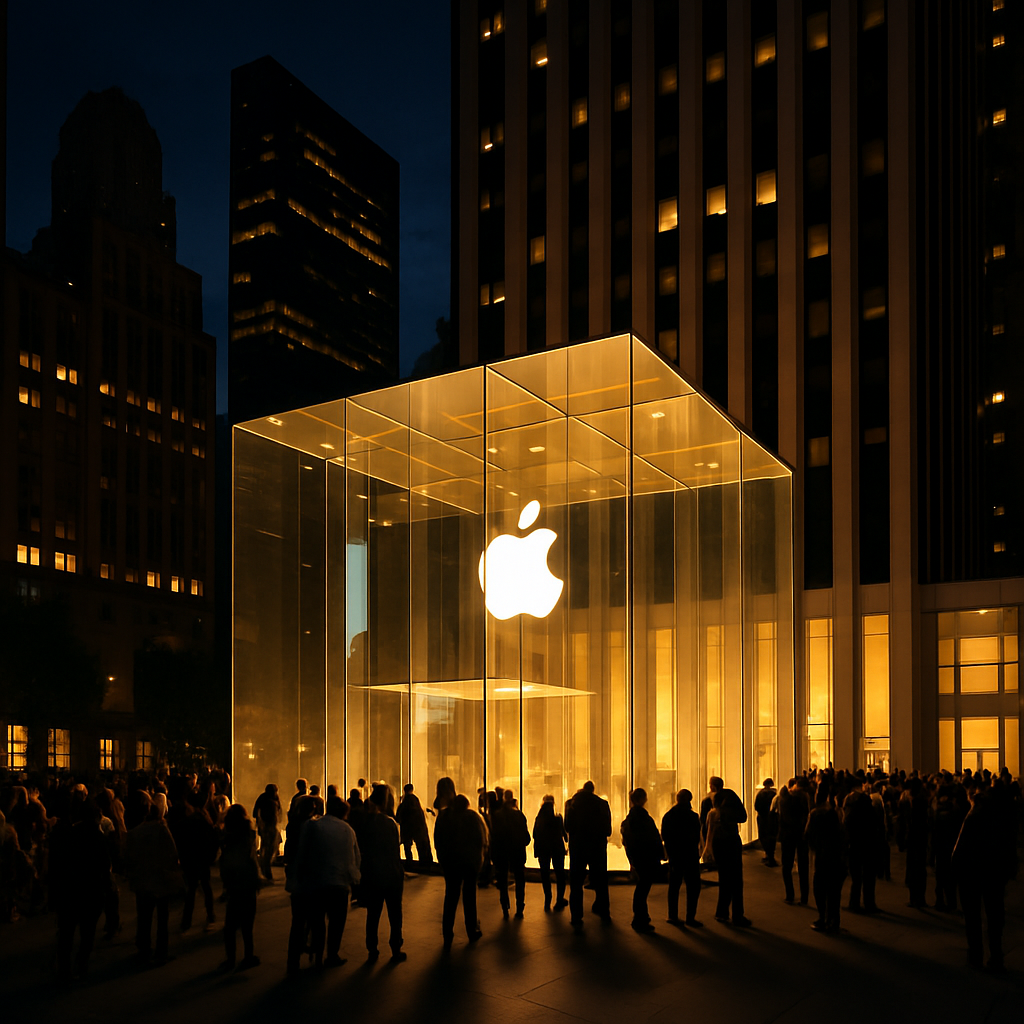
One of the riskier and more iconic decisions involved Apple’s Fifth Avenue flagship in New York City. Apple originally eyed a conventional storefront on Fifth Avenue, but ultimately embraced an unconventional underground site—the former GM building parking garage. The radical choices included renting subterranean space and building the cube structure above, creating a plaza and then operating 24/7—a signature display and a civic gesture for NYC.
Johnson believes Apple Stores needed more than looks—they needed people. Apple brought in insights from luxury hospitality, including its team learning from the Ritz-Carlton to mold store leadership and customer service so retail felt more personal. It wasn’t enough to replicate competitors: Microsoft and others mimicked layouts but missed what Johnson calls the “secret sauce”—service, design, and authenticity.
Back then, Apple was nearly out of cash. Jobs returned with just enough resources to keep the lights on for 30 days. Bill Gates even wrote a $100 million check to keep Apple afloat. Steve Jobs resisted stock buybacks and dividends, focused on preserving financial reserves, and made putting cash into stores—not flashy financial engineering—the company’s top priority.
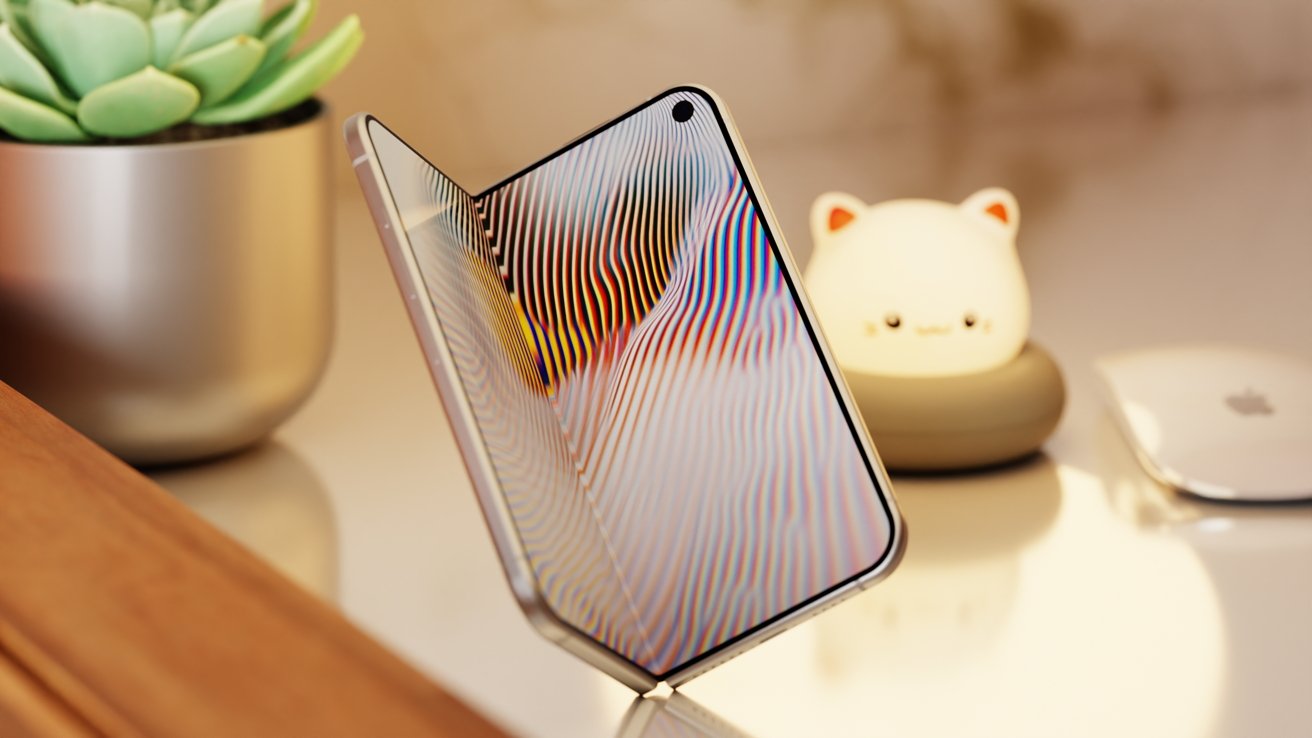
Looking at today, Johnson is encouraged. The launch of the iPhone Duo, which demands hands-on experience, reinforces the value of retail. Online can show you specs and videos, he argues, but it can’t replicate the magic of touching a device, feeling its weight, seeing a display open in person. He believes stores remain central to Apple’s strategy—as critical now as when they launched.
Even though Apple today approaches retail with a massive global presence, Johnson senses that some of the original magic—excited crowds, engaged staff, pride in design—is returning. He praises current store culture, saying what he felt was once lost is coming back. That revival ties back to the conviction that Apple Stores were not a luxury, but the company’s lifeline.
Johnson’s book, “Shop Different,” walks through all of this: early experiments, near-failure, big bold gambles. Ultimately, it tells why Apple decided retail was too essential to outsource or half-do—to the point where building its own stores wasn’t just strategic, but existential.
Why It Matters:Apple’s bet on its own retail stores wasn’t just about selling hardware—it was a strategic reclaiming of customer experience at a time the market felt unwinnable. With rivals copying design but not soul, the blend of immersive design, stellar service, and experiential retail became a differentiator. What we should watch now: Can Apple sustain this resurgence of culture and energy? Are newer stores keeping up with the same passion and ambition as the originals? And how will upcoming product launches be shaped by the spaces where customers first touch them?