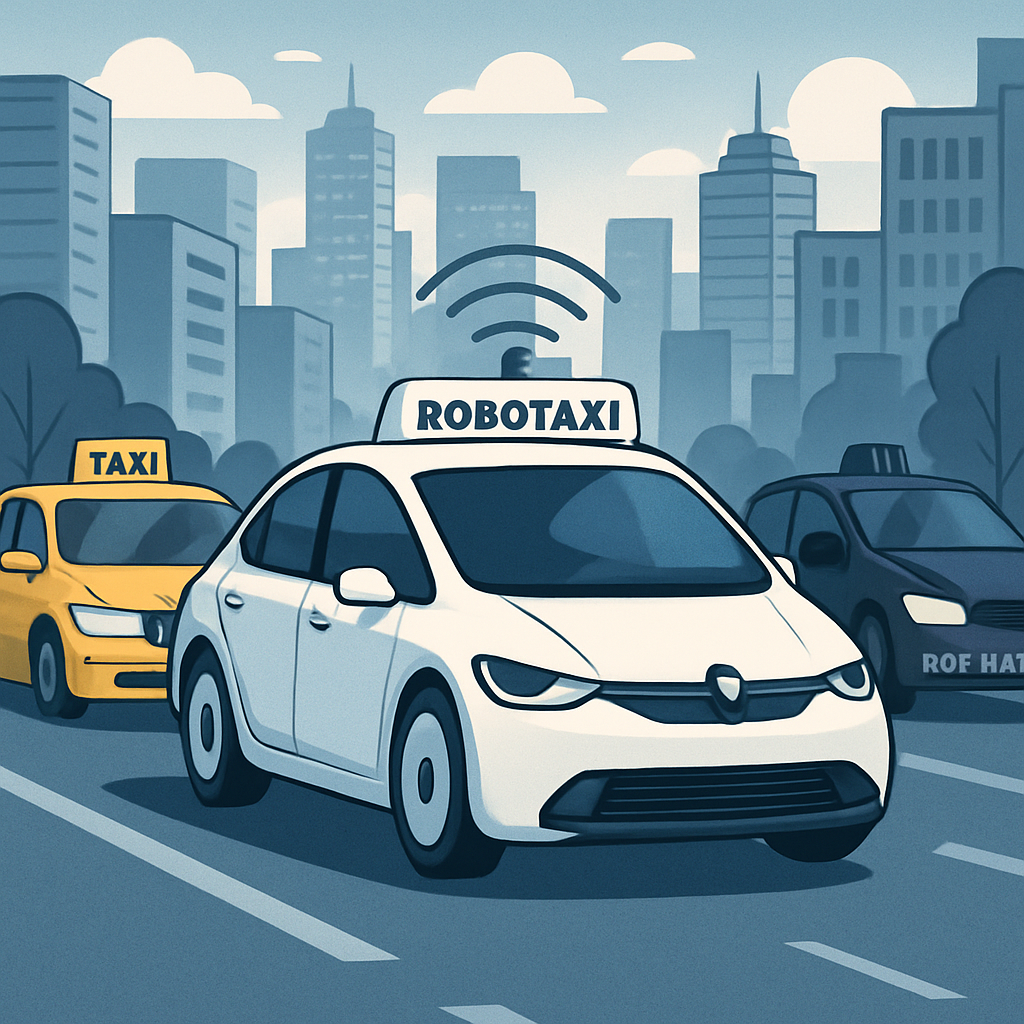
The autonomous vehicle (AV) industry is currently embroiled in a contentious debate over proposed regulations for robotaxis, particularly in Washington, D.C. A recent bill under consideration aims to establish a framework for the operation of driverless cars within the city. This legislation has elicited varied responses from key industry players, notably Uber and Waymo, who find themselves on opposing sides of the discussion.
Uber has expressed strong opposition to the proposed bill, arguing that it could lead to the displacement of human drivers and potentially grant Waymo a monopoly in the robotaxi market. The ride-hailing giant advocates for a hybrid model where autonomous vehicles would operate alongside human-driven cars on existing ride-hailing platforms. This approach, Uber contends, would ensure a more balanced integration of AVs into the transportation ecosystem.
Conversely, Waymo supports the bill, having already met its requirements through extensive testing in Washington, D.C. The company has accumulated over 250,000 miles with human safety operators, positioning itself to commence commercial operations promptly if the legislation is enacted. This readiness gives Waymo a significant advantage over competitors who have not yet met the proposed testing thresholds.
The bill’s stipulations include a mandatory 180-day testing period, a $1 million application fee, a $5 million permit fee, and a $0.15-per-mile tax. These provisions have raised concerns among several AV developers. Tesla, for instance, has criticized the financial burdens imposed by the bill and suggested that testing miles accrued in other jurisdictions should count toward the mileage requirement. This perspective is shared by other companies that view the bill’s conditions as potentially stifling innovation and favoring established players like Waymo.
During a recent D.C. Council hearing, representatives from various stakeholders, including Lyft, Tesla, Uber, Waymo, disability rights advocates, local businesses, and labor unions, presented their positions. The discussions highlighted a clear divide: while Waymo and its supporters favor the bill, many other industry participants and advocacy groups have raised objections, particularly regarding the financial and operational demands it places on companies.
This debate underscores the broader challenges facing the AV industry as it seeks to integrate autonomous vehicles into existing transportation networks. Balancing innovation with public safety, economic considerations, and equitable market access remains a complex task. The outcome of this legislative process in Washington, D.C., could set a precedent for how other cities and states approach the regulation of autonomous vehicles.
As the industry continues to evolve, it is crucial for policymakers to consider the diverse perspectives of all stakeholders involved. Crafting regulations that promote technological advancement while addressing concerns about job displacement, market fairness, and public safety will be essential for the successful deployment of robotaxis and the broader acceptance of autonomous vehicles.