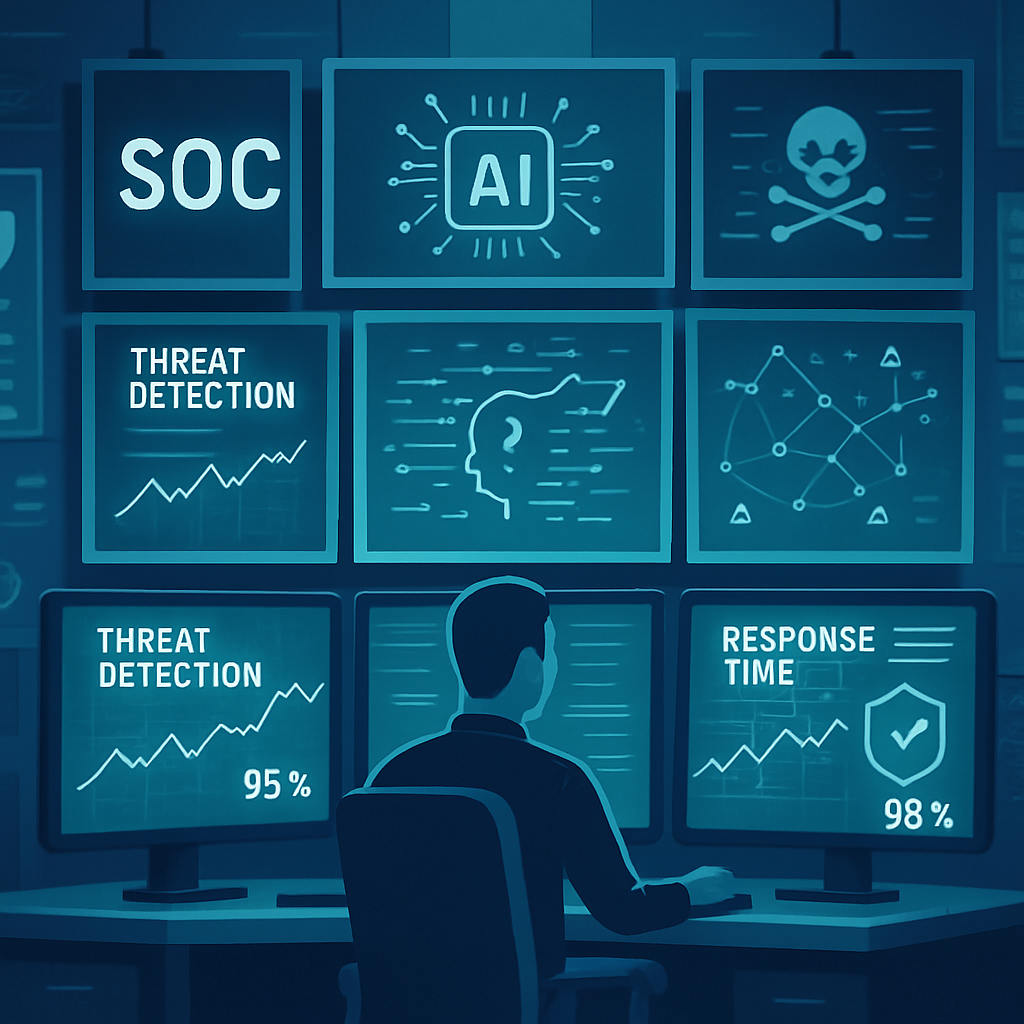
In the rapidly evolving landscape of cybersecurity, traditional Security Operations Center (SOC) Service Level Agreements (SLAs) are proving inadequate. Originally designed for human-centric operations, these SLAs often include metrics like four-hour Mean Time to Respond (MTTR) targets and breach notification windows measured in days. Such benchmarks are increasingly misaligned with the capabilities of modern, AI-driven SOCs, which can initiate investigations and containment actions within minutes of an alert.
This misalignment isn’t merely a procedural issue; it has tangible consequences. Legacy SLAs, with their vague terms and extended response times, can inadvertently shield vendors from accountability. Phrases like “commercially reasonable effort” provide loopholes that may delay critical responses, allowing attackers more time to exploit vulnerabilities within an organization’s infrastructure.
Understanding Key Metrics in SOC SLAs
To address these challenges, it’s essential to distinguish between four critical metrics in SOC operations:
- Mean Time to Acknowledge (MTTA): This metric records when an alert is first recognized. However, an acknowledgment doesn’t equate to action; it’s merely an indication that the alert has been seen.
- Mean Time to Detect/Diagnose (MTTD): This measures the duration taken to assess and confirm the nature of the threat. AI-driven SOCs have significantly reduced this time, often diagnosing threats in mere minutes.
- Mean Time to Respond (MTTR): This is the interval between detection and the initiation of a defensive action, such as isolating a compromised system or disabling a breached account.
- Mean Time to Contain (MTTC): This metric tracks the time taken to fully neutralize a threat, ensuring the attacker can no longer progress within the system.
Historically, these metrics have been conflated, leading to ambiguities in SLAs. For instance, a vendor might meet an MTTA target by promptly acknowledging an alert but delay the actual response, leaving the system vulnerable.
The Financial Implications of Delayed Responses
The cost of a security incident isn’t static; it escalates over time. An attack contained within minutes might result in minimal financial impact, perhaps around $50,000. However, if the same attack is allowed to progress over several hours due to delayed responses, the costs can skyrocket into the millions. This exponential increase underscores the importance of timely containment and the need for SLAs that reflect the rapid response capabilities of AI-driven SOCs.
To bridge this gap, organizations should advocate for SLAs that set explicit, severity-tiered targets for each metric. For example, a high-severity incident (P1) should have a containment target measured in minutes, not hours, ensuring swift action and minimizing potential damage.
In conclusion, as AI continues to revolutionize cybersecurity operations, it’s imperative for organizations to revisit and revise their SOC SLAs. By aligning these agreements with the capabilities of modern technology, businesses can enhance their security posture, hold vendors accountable, and mitigate the escalating costs associated with delayed incident responses.