Replit’s Mobile Apps: Simplifying iOS App Development with AI
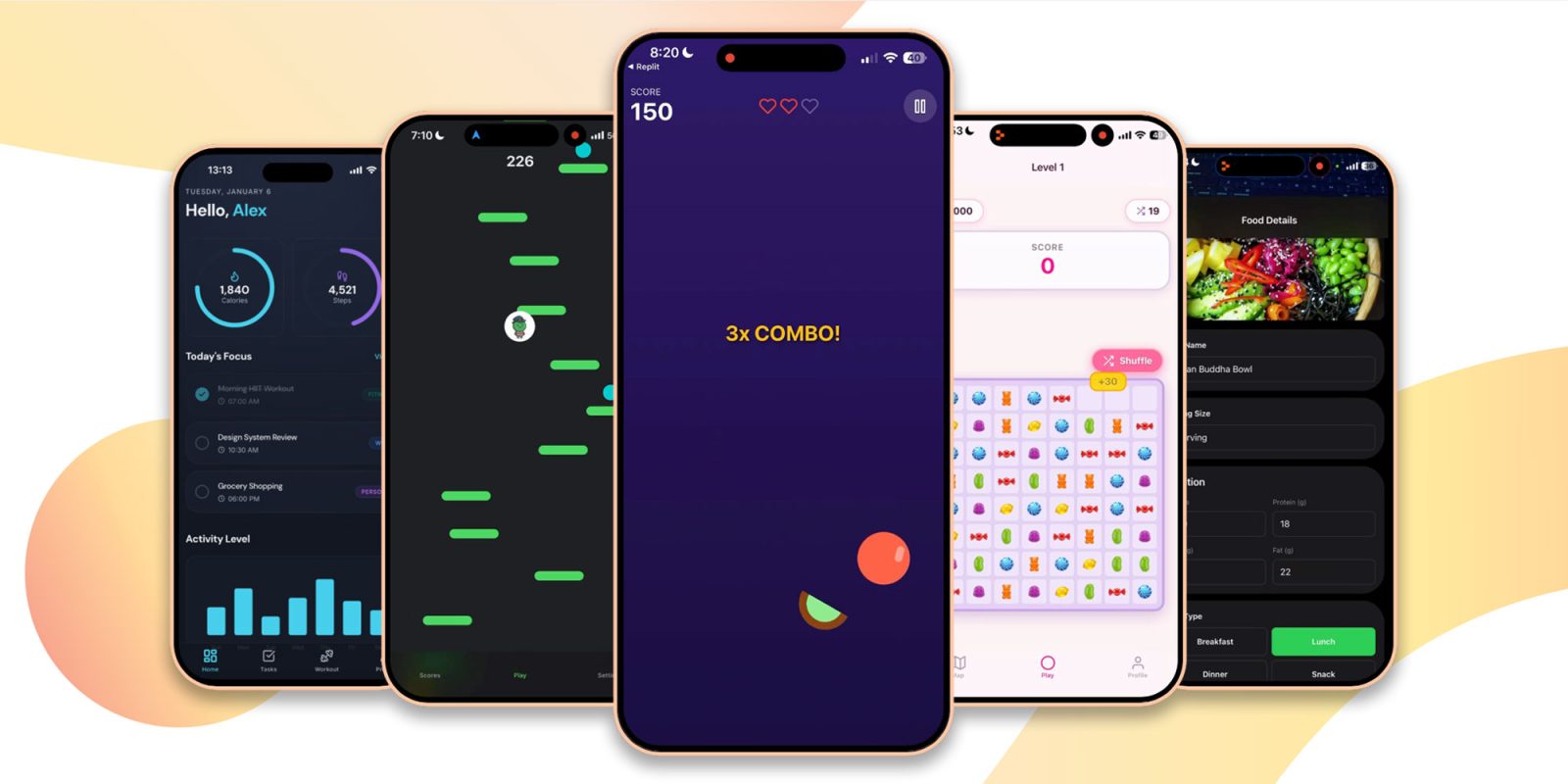
Replit has introduced Mobile Apps by Replit, an innovative platform designed to streamline the iOS app development process. This tool leverages artificial intelligence to transform user prompts into functional React Native applications, significantly reducing the complexities traditionally associated with app creation.
Simplified App Creation Process
Traditionally, developing an iOS application requires proficiency in specific programming languages, familiarity with development environments like Xcode, and an understanding of intricate workflows, including certificate management and App Store submission procedures. Mobile Apps by Replit aims to eliminate these barriers by offering a user-friendly interface where individuals can describe their app ideas in natural language. The platform then interprets these descriptions and autonomously generates the corresponding React Native code.
Once the app is generated, users can test it directly on their iPhones by scanning a QR code provided by the platform. This feature facilitates immediate feedback and iterative development, allowing users to refine their applications efficiently.
Transparency and User Control
A standout feature of Mobile Apps by Replit is its transparent development process. Users can observe each step as the platform constructs the app, conducts tests, and addresses any issues that arise. This visibility not only demystifies the development process but also empowers users to understand and learn from the AI’s actions.
For those with coding experience, the platform offers the flexibility to manually edit the generated code. This hybrid approach caters to both novices seeking an accessible entry point into app development and seasoned developers looking to expedite their workflow.
Practical Applications and Limitations
In practical tests, Mobile Apps by Replit has demonstrated the capability to produce functional applications within minutes. For instance, when prompted to create an Apple history trivia game akin to Who Wants To Be a Millionaire, the platform generated a basic version of the app in approximately eight minutes. Subsequent iterations allowed for refinements, showcasing the tool’s potential for rapid prototyping and personal projects.
However, it’s important to recognize the current limitations of AI-generated applications. While Mobile Apps by Replit can produce functional prototypes, these apps may require further development and polishing before they are suitable for public release. Users should approach the platform as a means to quickly materialize ideas and test concepts rather than as a one-stop solution for production-ready applications.
App Store Integration and Considerations
One of the notable features of Mobile Apps by Replit is its integration with the Apple Developer ecosystem. Users with an active Apple Developer account can publish their AI-generated applications directly to the App Store. This capability opens up new avenues for individuals and small teams to share their creations with a broader audience.
However, prospective app publishers should be mindful of the responsibilities that come with releasing an app to the public. Maintaining an application involves addressing user feedback, providing updates, and ensuring compliance with App Store guidelines. While Mobile Apps by Replit lowers the barrier to entry for app development, it does not alleviate the ongoing commitment required to support and maintain a successful application.
The Future of AI in App Development
The introduction of Mobile Apps by Replit reflects a broader trend in the tech industry toward leveraging artificial intelligence to simplify complex processes. By enabling users to create applications through natural language descriptions, Replit is making app development more accessible to a wider audience.
As AI technologies continue to evolve, we can anticipate further advancements in this space. Future iterations of platforms like Mobile Apps by Replit may offer enhanced customization options, support for additional programming languages, and more sophisticated error handling capabilities.
Conclusion
Mobile Apps by Replit represents a significant step forward in democratizing app development. By harnessing the power of artificial intelligence, the platform allows users to bring their app ideas to life with unprecedented ease. While it is not a substitute for traditional development methods in all scenarios, it serves as a valuable tool for rapid prototyping, learning, and personal projects.
As with any emerging technology, users should approach Mobile Apps by Replit with an understanding of its current capabilities and limitations. By doing so, they can effectively utilize the platform to explore new ideas and contribute to the ever-expanding world of mobile applications.