Cashmere dominates luxe fashion—soft, desirable, expensive, and hard to care for. It also comes with environmental costs—overgrazing by goats in Central Asia, high maintenance, and high price tags. A startup named Everbloom believes it has an answer: renoa, a brand-new fiber that delivers the feel of cashmere, washes like a dream, and has secured approval as the first new FTC-recognized fiber in 25 years.
What is renoa?
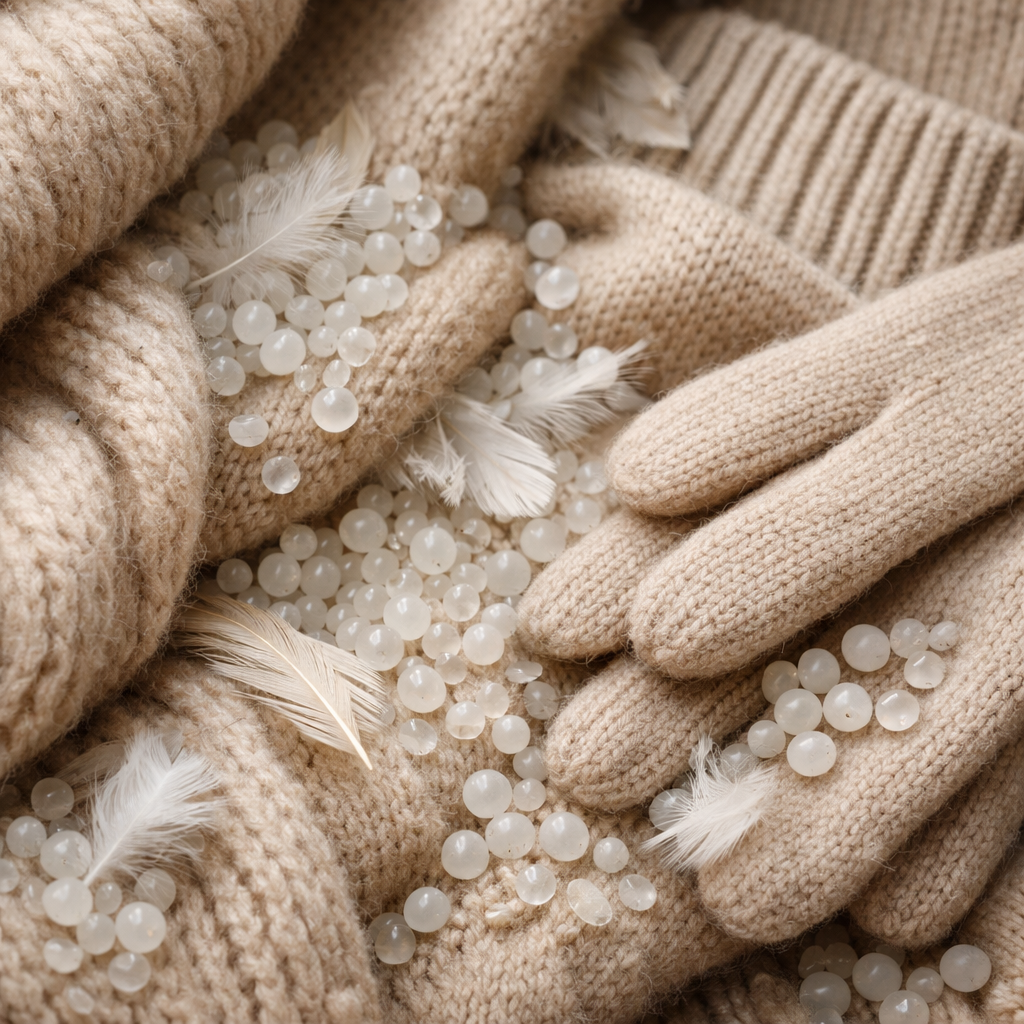
Renoa is engineered from protein waste—upcycled materials like cashmere and wool scraps, down feathers, and lint from bedding—blended with a biodegradable biopolymer. The mix is ground into powder, transformed into pellets, and extruded into fibers that match the thickness and texture of natural cashmere and wool. Everbloom has spent three years developing the fiber, using its own AI-driven material science platform to fine-tune the performance. It recently won regulatory recognition in the U.S.—the Federal Trade Commission officially classified renoa as a new, standalone fiber, detailing its standards for labeling and regulation.
How does renoa feel—and survive real life?
During a recent hands-on in New York City, crewneck sweaters, gloves, and scarves made with renoa were examined. The standout was a scarf that had endured months of repeated washings in a regular cycle and even tumble drying. Unlike typical pure cashmere, it showed virtually no pilling or shrinkage. The texture remains notably similar to premium cashmere—soft, light, with enough loft—though when worn and washed repeatedly, any small differences may become more pronounced. In samples blending renoa with 80% cashmere and 20% renoa, the startup says, expected commercial garment finishing should close any remaining tactile gaps.
When we’ll see it in stores
Renoa isn’t hitting market shelves yet. Everbloom is scaling production now and has lined up manufacturers and brands to use renoa in blended textiles—especially items where renoa makes up 20% of the fiber content, paired with natural cashmere. Consumer goods featuring renoa are expected to debut in the second quarter of 2027. At those blend ratios, the feeling is meant to be virtually indistinguishable from pure cashmere while adding durability and easier care.
At its current state, renoa stands as a bold move in materials science and sustainable fashion: a fiber that could ease cost and care barriers without sacrificing the premium touch many consumers want. As brands launch products next year, key things to watch are how well renoa performs in everyday use—and whether it truly bridges luxury and sustainability in widespread production. If it succeeds, this might be the first real evolution of fiber innovation in a quarter-century—and a signal that sustainable luxury can finally feel like the real deal.