Rave, Inc. has lost a procedural battle in its legal fight against Apple after a federal judge approved a venue change that moves its anti-sherlocking lawsuit from New Jersey to the Northern District of California. The move gives Apple a home-court edge in litigation over Rave’s claims that Apple copied features from Rave’s streaming service and then kicked it off the App Store.
Case Origins and Contract Clause
The lawsuit was initially filed in New Jersey in May 2026. Rave alleges Apple removed its app in retaliation for Rave offering streaming features that directly compete with Apple’s own SharePlay. The company claims this reflects an abuse of Apple’s control over the App Store, stifling competitors who innovate within its ecosystem.
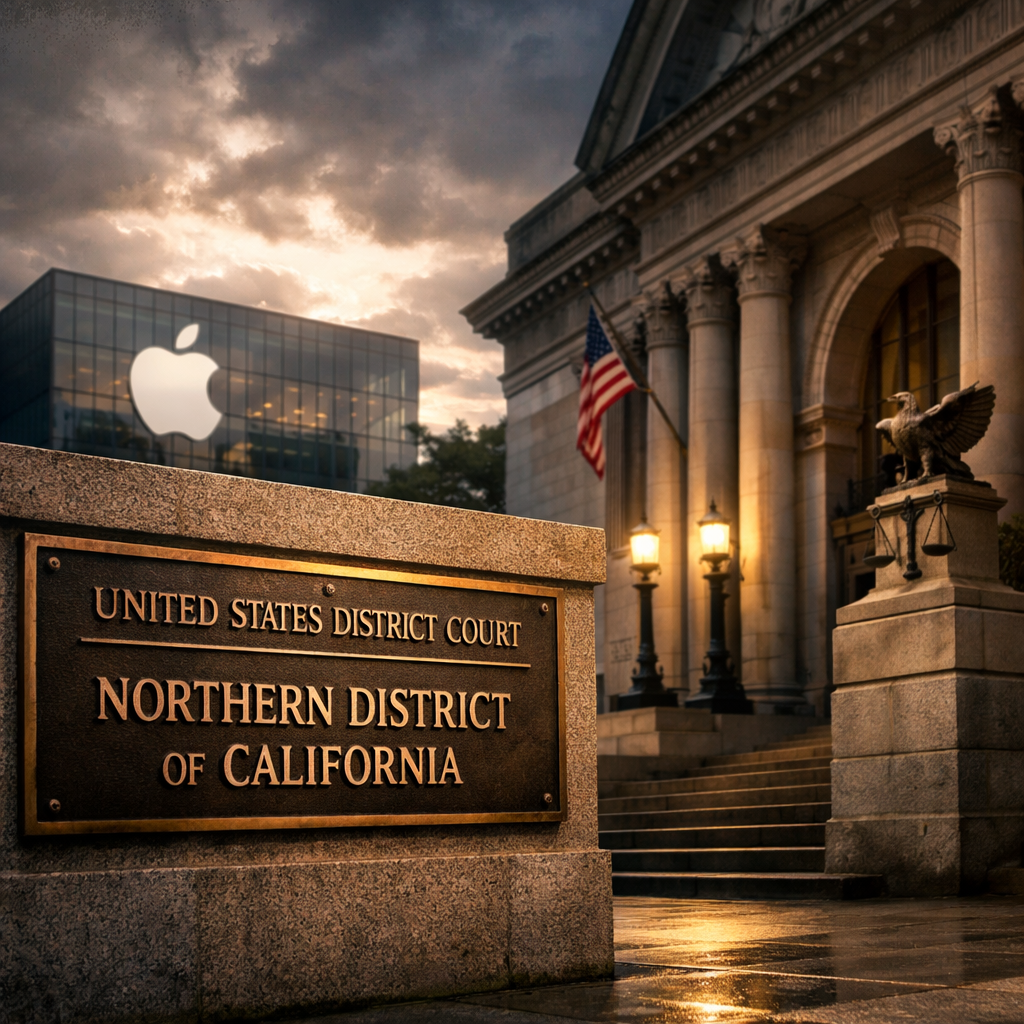
Apple pushed to have the case transferred, citing a clause in Rave’s developer agreement holding that any litigation tied to events preceding the revocation of developer status must be litigated in Northern California. Judge William J. Martini agreed, ruling the case should be heard in that jurisdiction. The judge also cited that Apple is headquartered in Northern California, making it the more proper venue for this dispute.
Implications and Related Litigation
The venue change delays proceedings in the anti-sherlocking suit. Although the judge’s December filing—or sometime in the judge’s recent decision—formally effectuates this shift, Rave’s complaint remains largely the same. Importantly, the change doesn’t affect Rave’s international suits against Apple that are happening in Canada, Brazil, the Netherlands, and Russia, which are based on the same allegations of feature copying and competitive suppression.
Rave’s complaint also raises concerns beyond anti-competitive practices: it alleges insufficient moderation on its platform led to pornography being streamed and exposure of young users (as young as 13) to inappropriate content. However, filings offer limited detail so far about how those moderation failures are tied specifically to Apple’s actions under its developer policies.
What’s Next
Neither Apple nor Rave has publicly commented since the venue was reassigned. It remains uncertain when the Northern District of California will schedule initial arguments. Rave’s claims intertwine with broader debates over platform gatekeeping, developer rights, and the power Apple wields through the App Store.
Analytically, this venue shift is more than procedural—it’s strategic. Northern California is widely viewed as a favorable court for big tech firms, where precedent tends to be more favorable to platform holders like Apple. For Rave, this means fighting uphill not just in substance but in legal strategy. The case spotlights how terms buried in developer agreements—like forum-selection clauses—can determine not just where you sue, but often how your arguments are heard. Going forward, the developer ecosystem and antitrust watchers alike should monitor whether the substantive anti-sherlocking claims survive this punchier forum and whether Apple’s responsibilities around moderation and consumer protection resurface with more detail once the court docket opens.