A ransomware gang known as The Gentlemen has placed NVIDIA on its dark web leak site, but so far there’s no verified proof that the chipmaker’s systems were breached. While the post includes references to ransom talks and a countdown timer, it offers no sample files or corroborating technical evidence.
What the Claim Includes
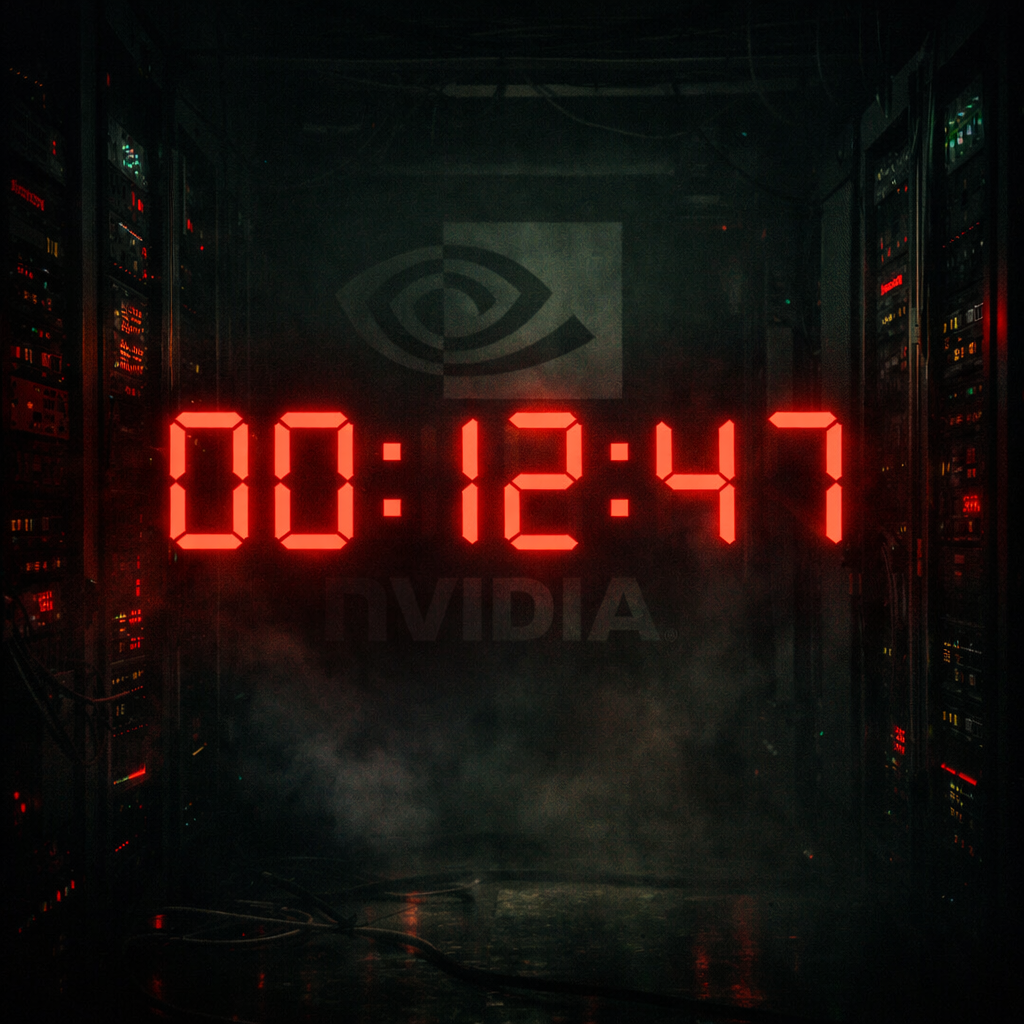
The dark web listing shows NVIDIA’s logo, its stock ticker (NVDA), and a revenue figure quoted at $303 billion—though the period for that figure isn’t specified. The post also features the words “DATA INFO – SOON” and mentions Tox, a private messaging service. A timer in the post counts down just under 10 days, but doesn’t explain what’s supposed to happen when the clock hits zero.
What’s Missing & Why Skepticism Remains
Despite the post’s bold visuals and threats, there’s no evidence disclosed that indicates access to internal systems, any stolen files, or specifics on how data might have been taken. It could relate to nothing more than a bluff, or possibly the gang targeting a third party and later tying NVIDIA’s name to it—there’s been no confirmation from the company that any breach occurred.
About The Gentlemen Ransomware Gang
The group emerged in 2025 and operates through a ransomware-as-a-service model. Its tactics include double extortion—stealing data and threatening publication while also encrypting systems. Previous attacks have involved disabling security and backup tools, then encrypting systems quickly after gaining access. But none of those documented incidents include NVIDIA. The current post does not describe the methods allegedly used in this case.
The claim was added on November 18, 2026, and noted by breach trackers, which are marking it as “pending leak” status. At the same time, NVIDIA recently announced that its CFO, Colette Kress, will take on the role of interim CEO, following the resignation of co-founder Jensen Huang. No link has been made between that leadership shift and the ransomware post.
Until NVIDIA or independent parties release verifiable evidence—such as real sample files tied to its network or a firm admission—there’s no indication that data was stolen, encrypted, or even accessed. The countdown in the post signals a threat or deadline, not proof of wrongdoing.
Why it matters: Claims like this can harm company reputation, shake investor confidence, and complicate threat response even without proof. For cybersecurity observers, the key thing to watch will be whether NVIDIA issues a detailed statement, whether files are published that can be verified, and whether any technical indicators emerge tying this to its systems. In a landscape where threats evolve fast, the noise can be as disruptive as the attack.