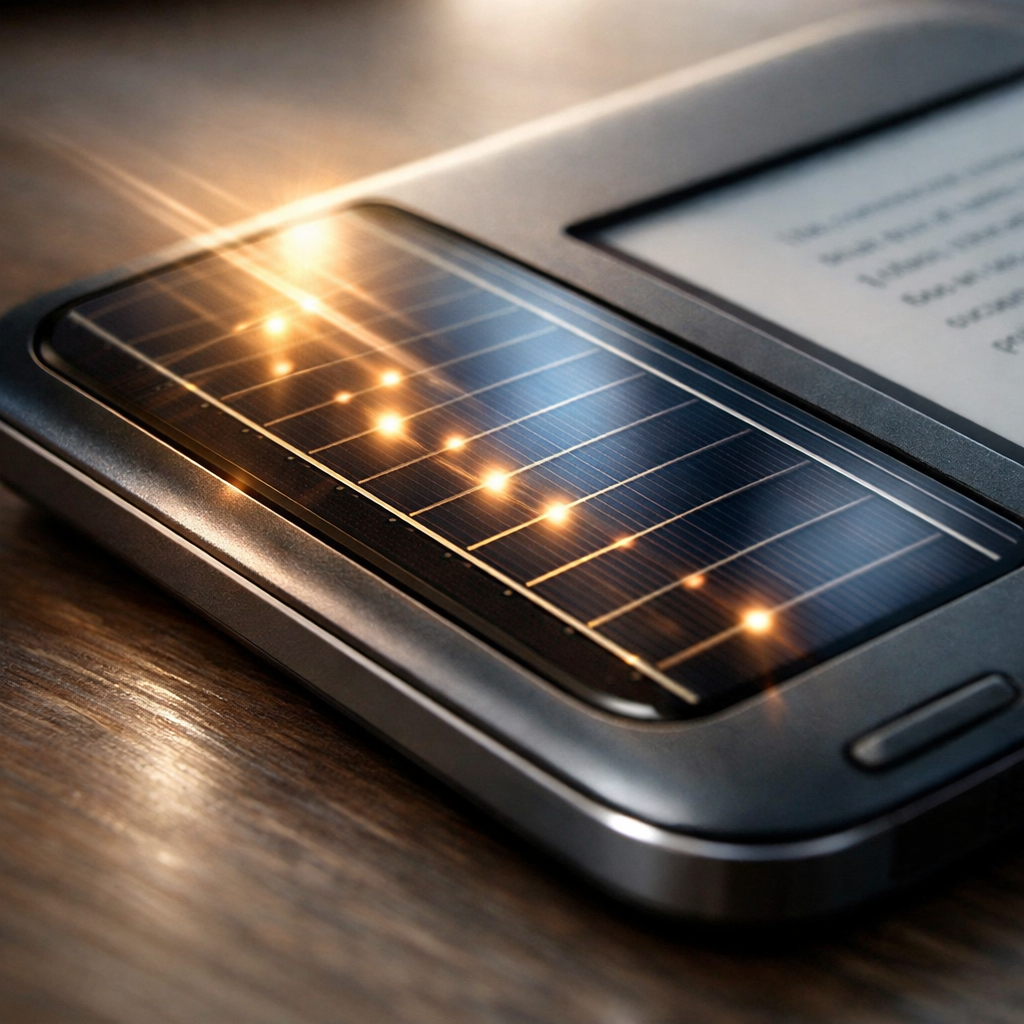
The age-old problem of portable devices running out of battery might soon be a thing of the past. A startup named RadianX has unveiled a new type of solar technology that promises to power electronics without needing to be recharged in traditional ways. Their work centers on perovskite-based panels that harvest light indoors and outdoors—offering enough energy to keep devices running indefinitely in many cases.
How Their Solar Tech Works
RadianX has developed solar cells using perovskite materials, which boast nearly equivalent performance to silicon panels in outdoor light, but are twice as efficient indoors. These panels can pull photons from artificial lighting, not just direct sunlight, enabling devices like e-readers, IoT sensors, and wearables to keep running without a plug.
Industry-standard durability is another spearhead for RadianX. Their prototype panels—about 1.2 meters by 0.6 meters and 0.7 millimeters thick—achieve 22.33% efficiency, which the company claims is a record for that size class. Focusing on indoor devices reduces exposure to harsh conditions, helping with longevity. RadianX is also building power electronics specifically tuned to perovskite’s quirks, like its light absorption and response patterns, which differ from traditional silicon-based solar cells.
Business Model and Market Potential
Instead of merely selling solar panels, RadianX plans to supply “power packages”—bundled systems consisting of panels and needed electronics—for device makers to integrate directly. Their early customers could include manufacturers of e-readers, industrial sensors, wearables, or other edge devices where power is a major constraint.
To scale up, RadianX closed a $5 million seed round led by SOSV and Twynam, with participation from others including One Small Planet, Sachsen Ventures, Avila VC, California Innovation Fund, quantumEDGE, Riceberg Ventures, and Alumni Ventures. They also received $4 million in non-dilutive investment from Pacific Union Technology Precision Manufacturing to build a dedicated production line.
The perovskite solar industry has faced challenges in cost, durability, and competition from entrenched silicon panels. Until recently, traditional solar panels couldn’t keep up with modern devices’ power demands indoors. RadianX’s focus on high indoor efficiency, thin form factors, and custom electronics may help bridge that gap.
Still, hurdles remain. Long-term stability, cost of materials and manufacturing, and integration into devices without increasing size or cost too much are open questions. Durability indoors improves conditions, but devices may still face issues with moisture, temperature cycling, or light exposure over long usage.
What to watch: whether RadianX’s panels keep delivering efficient performance over years, how competitive manufacture becomes at scale, and how quickly device makers adopt these power packages into their product lines.
Why this matters: Powering devices without needing to recharge or replace batteries could transform how we design electronics—everything from a smart sensor in your factory, to a smartwatch on your wrist, to a tablet in your bag. With energy demands rising in the age of AI and IoT, innovations like this are essential. If RadianX can make cost, durability, and integration work, this could mark a significant step toward self-powered devices as mainstream, not just a niche.