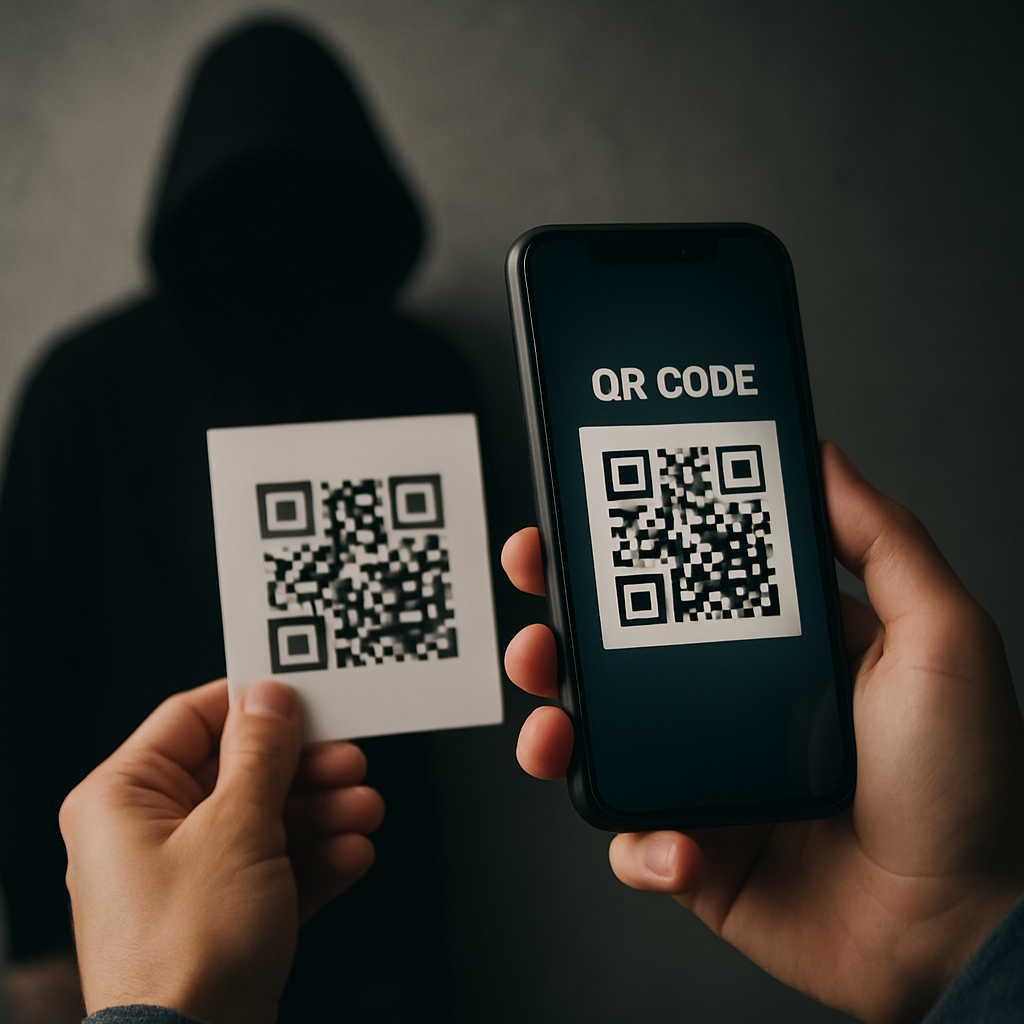
QR codes have seamlessly integrated into daily life, facilitating tasks from accessing menus to making payments. However, this convenience has been exploited by cybercriminals through a technique known as “quishing”—a blend of QR and phishing. This method embeds malicious URLs within QR codes, leading unsuspecting users to fraudulent websites designed to steal sensitive information or deploy malware.
The surge in quishing attacks is alarming. Between August and November 2025, incidents escalated from 46,969 to 249,723—a fivefold increase. In the first half of 2025 alone, over 4.2 million QR code phishing threats were identified. Microsoft reported more than 15,000 daily QR-code-bearing phishing emails targeting the education sector.
Understanding Quishing
Quishing operates by embedding a malicious URL within a QR code image. When scanned, the user’s device decodes the URL and directs them to a deceptive site aiming to harvest credentials, payment information, or install malware. Unlike traditional phishing links, QR codes conceal their destination until scanned, making them particularly insidious.
Traditional email security systems are often ill-equipped to detect these threats. Designed to analyze text and HTML content, they may overlook malicious payloads embedded within images, allowing quishing emails to bypass filters and reach users’ inboxes.
Statistics Highlighting the Threat
- 73% of users scan QR codes without verifying the destination.
- Only 36% of QR phishing incidents are accurately identified and reported by recipients.
- The average time-to-click on a phishing payload is just 21 seconds.
These figures underscore the urgency of addressing quishing attacks. The rapid adoption of QR codes, combined with their inherent opacity, has created a fertile ground for cybercriminals.
To mitigate the risks associated with quishing, users should exercise caution when scanning QR codes, especially from unknown or untrusted sources. Organizations must enhance their security protocols to detect and prevent such attacks, including educating employees about the potential dangers of QR codes. As cyber threats continue to evolve, staying informed and vigilant is paramount in safeguarding personal and organizational data.