Public Backlash Escalates as Americans Dismantle Flock Surveillance Cameras
In recent months, a wave of public dissent has manifested across the United States, targeting the surveillance infrastructure established by Flock Safety, an Atlanta-based company specializing in license plate recognition technology. This grassroots movement has seen individuals actively dismantling and destroying Flock’s cameras, reflecting deep-seated concerns over privacy and the potential misuse of surveillance data.
Flock Safety’s Expansion and Controversies
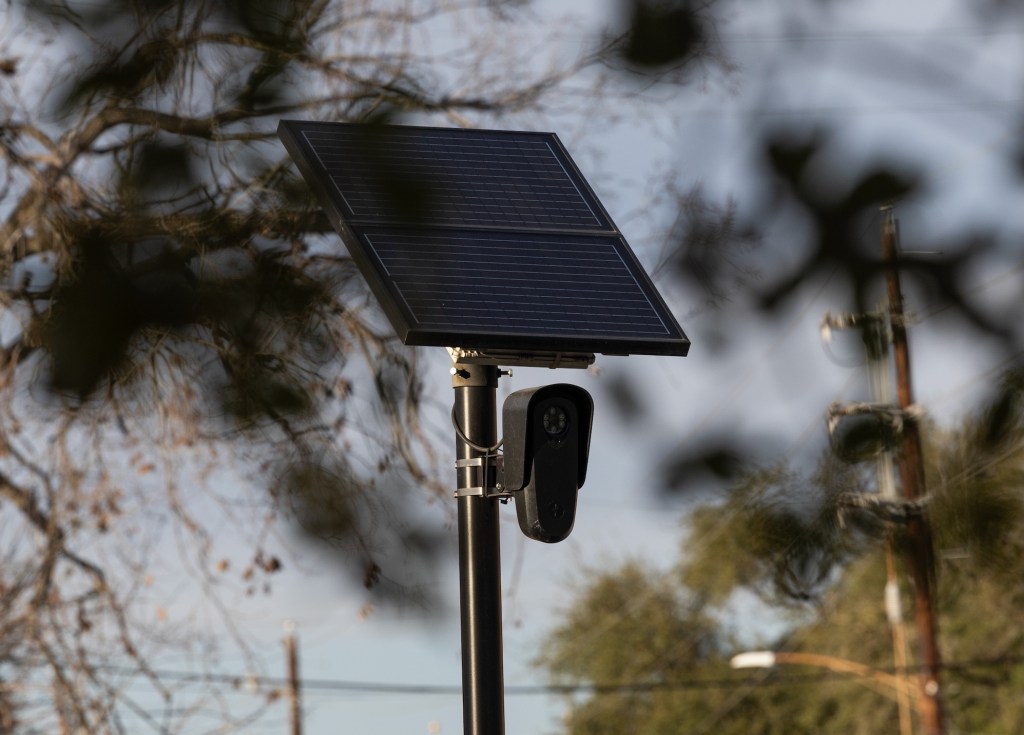
Flock Safety, valued at $7.5 billion as of last year, has rapidly expanded its network, deploying thousands of license plate-reading cameras nationwide. These devices capture and store images of vehicle license plates, enabling authorities to monitor and track vehicle movements across various jurisdictions. While Flock asserts that it does not directly share data with U.S. Immigration and Customs Enforcement (ICE), reports have surfaced indicating that local law enforcement agencies have provided federal authorities access to Flock’s databases. This collaboration has intensified fears that the technology is being utilized to facilitate deportations and other federal enforcement actions.
Community Responses and Acts of Vandalism
The public’s response has been multifaceted. In La Mesa, California, for instance, residents expressed strong opposition to the continued use of Flock cameras. Despite a majority of attendees at a city council meeting advocating for the removal of these devices, the council voted to maintain them. This decision was swiftly followed by incidents of vandalism, with several cameras being broken or smashed. Similar acts of defiance have been reported in states including Connecticut, Illinois, Virginia, and Oregon. In one notable case in Oregon, six license plate-scanning cameras were cut down, and a spray-painted message left at the scene read, Hahaha get wrecked ya surveilling [expletive].
The Scope of Surveillance and Public Concern
According to DeFlock, an initiative dedicated to mapping license plate readers, there are approximately 80,000 such cameras installed across the United States. This extensive surveillance network has raised significant privacy concerns among citizens and advocacy groups. The apprehension centers on the potential for misuse of collected data, the lack of transparency regarding data sharing practices, and the broader implications for civil liberties.
Municipal Actions and Policy Debates
In response to public outcry, several municipalities have reconsidered their contracts with Flock Safety. Some cities have chosen to terminate agreements, while others have implemented measures to restrict federal access to locally collected surveillance data. These actions underscore a growing tension between the perceived benefits of surveillance for public safety and the imperative to protect individual privacy rights.
Flock Safety’s Position and Industry Implications
When approached for comment, a spokesperson for Flock Safety declined to disclose the number of cameras that have been destroyed since their deployment. This reticence highlights the challenges faced by companies operating in the surveillance sector, particularly as they navigate the complex interplay between technological innovation, public trust, and regulatory scrutiny.
Broader Context and Future Considerations
The destruction of Flock’s surveillance cameras is emblematic of a broader societal debate over the balance between security and privacy. As surveillance technologies become increasingly pervasive, it is imperative for policymakers, technology companies, and communities to engage in transparent dialogues to address concerns, establish clear guidelines for data usage, and ensure that the deployment of such technologies aligns with democratic values and human rights standards.