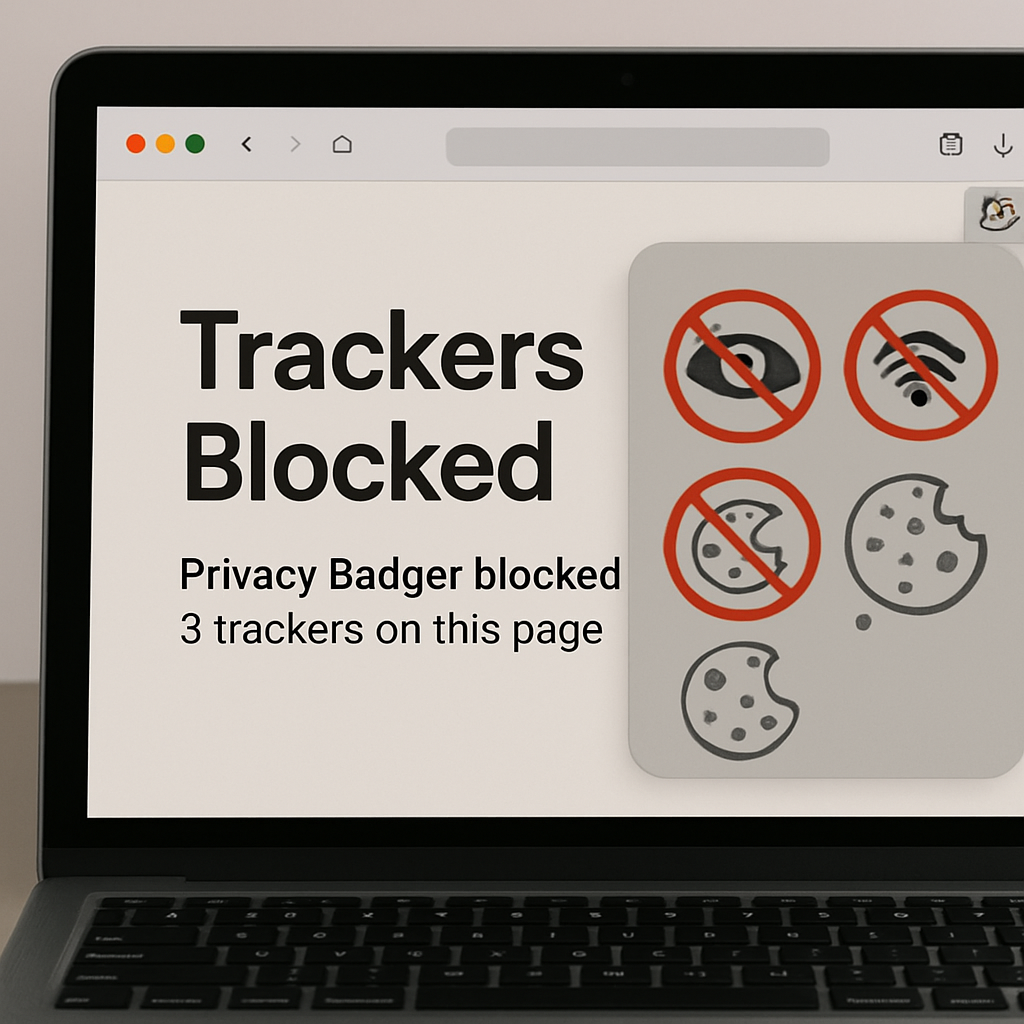
The Electronic Frontier Foundation (EFF) has brought its Privacy Badger anti-tracking tool to Safari on macOS, marking a significant expansion of the popular open-source extension. As of October 19, 2026, users running Safari 26.5 or newer can add this layer of protection to prevent ad trackers and other hidden monitoring from following their online activity.
What Privacy Badger Does for Safari Users
Privacy Badger doesn’t rely on manually curated lists of trackers. Instead, it learns as you browse, identifying domains that invisibly gather data across different sites. Once recognized, those trackers are blocked from loading altogether. Ads are allowed only if they don’t simultaneously act as trackers, maintaining a balance between freedom and privacy.
The extension also tackles tracking cookies and link click tracking, including techniques used by platforms like Facebook and Google to follow outgoing links. These features aim to fill in gaps that Safari’s native protections leave open—while the browser restricts what trackers can access, it doesn’t always stop them from loading or employing bypass methods that erode privacy.
Why This Expansion Matters
Until now, Privacy Badger has been available for other browsers such as Chrome, Firefox, and Edge. The Safari release broadens its reach to users who prefer Apple’s built-in browser across Macs. Requiring Safari 26.5 or later ensures access to the latest web technologies and security frameworks that enable these protections.
Safari already includes several anti-tracking features aimed at limiting the data third parties can collect. What distinguishes Privacy Badger is its active blocking of trackers as they try to load, plus its ability to stop methods that attempt to defeat browser-based protections. It also focuses on link click tracking and cookies in ways some native tools do not.
This update puts users in more control. Instead of relying on Safari’s passive restrictions, Privacy Badger makes intentional decisions about what scripts and cookies should be stopped, learning over time rather than depending on lists or rules alone. Users get a smarter, more active shield against surveillance and ad networks trying to follow their every move.
The extension is free, which fits with its mission to provide privacy protection without cost barriers. For those concerned about data collection and web tracking, this could serve as a valuable upgrade.
What to Watch For:EFF’s release of Privacy Badger for Safari suggests rising demand for stronger privacy tools, even on platforms already seen as secure. How well Privacy Badger integrates with newer Apple technologies—like cross-device tracking prevention, Intelligent Tracking Prevention, or future web extensions—will be key. Users should also observe how Apple responds: whether it begins building in similar active blocking methods, or if the extension reveals privacy gaps in Safari’s native defences. Ultimately, this move may push the browser market toward more vigilant, user-driven protections against surveillance online.