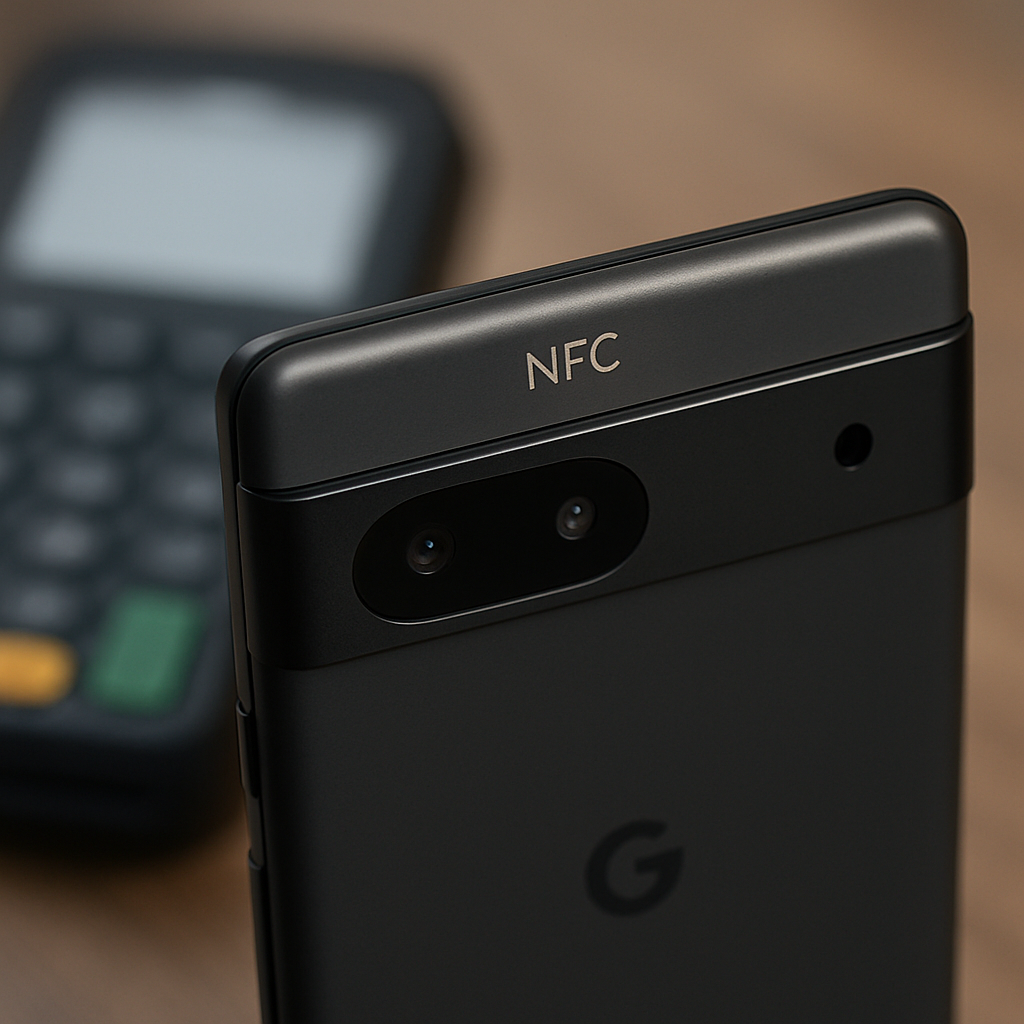
Google’s latest Pixel 11 series introduces a significant design change by repositioning the NFC antenna to the top of the device. This adjustment aims to streamline user interactions, particularly for mobile payments and the new ‘Tap to Share’ feature.
Traditionally, NFC antennas in Android smartphones, including previous Pixel models, have been located towards the center of the back panel. This placement often required users to remember the exact position for successful NFC interactions, which could be inconvenient. In contrast, Apple’s iPhones have typically placed the NFC antenna at the top, aligning with user expectations for tap-based actions.
By moving the NFC antenna to the top, the Pixel 11 aligns more closely with this intuitive design. This change is expected to enhance the reliability and ease of use for NFC-dependent functions. For instance, the ‘Tap to Share’ feature allows users to exchange contact information or share large files with nearby Android devices through a simple tap, facilitated by the new antenna placement.
Additionally, this repositioning benefits users who utilize tap-to-pay services. The top placement of the NFC antenna simplifies the process of aligning the device with payment terminals, potentially reducing transaction times and improving overall user satisfaction.
It’s noteworthy that Samsung’s Galaxy S26 series also adopted a similar approach by adding an extra antenna to achieve top placement. Google’s decision to relocate the existing hardware underscores a growing trend among smartphone manufacturers to prioritize user-centric design enhancements.
The Pixel 11 series is currently available for pre-order, with shipments commencing on August 20. This strategic design modification reflects Google’s commitment to refining the user experience by addressing practical aspects of device interaction.
In the broader context, this move signifies a shift towards more intuitive hardware design in smartphones. As NFC technology becomes increasingly integral to daily activities, such as payments and data sharing, manufacturers are recognizing the importance of aligning hardware placement with natural user behaviors. This trend is likely to continue, with future devices potentially incorporating similar design considerations to enhance functionality and user satisfaction.