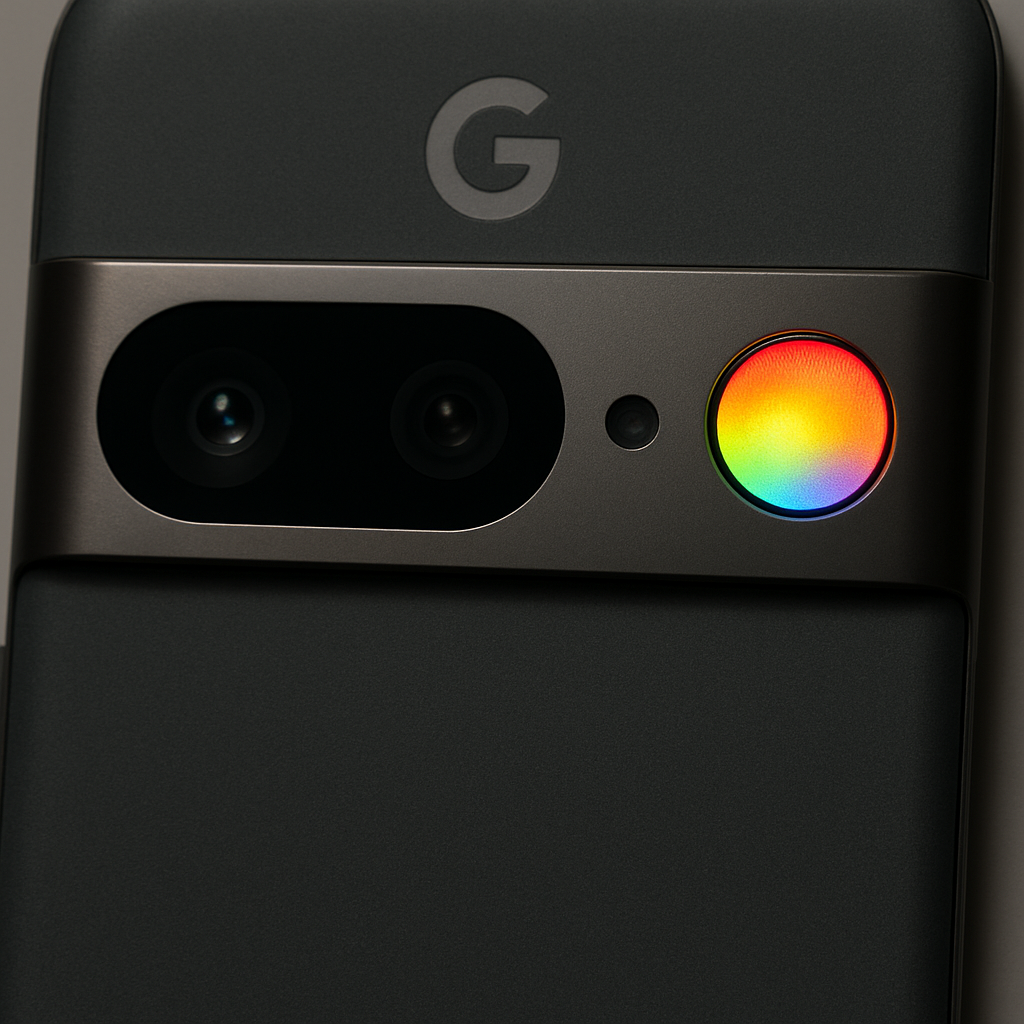
The Pixel 11 Pro introduces ‘HiLight,’ a feature designed to provide visual cues for various phone activities by illuminating the camera LED. This functionality aims to enhance user interaction by offering color-coded notifications for incoming calls and responses from Google’s AI assistant, Gemini.
For instance, when receiving a call, HiLight can display a pre-selected color associated with the contact. Similarly, interactions with Gemini trigger the LED to glow in Google’s signature blue and red hues, reminiscent of the Google Home Speaker’s visual responses.
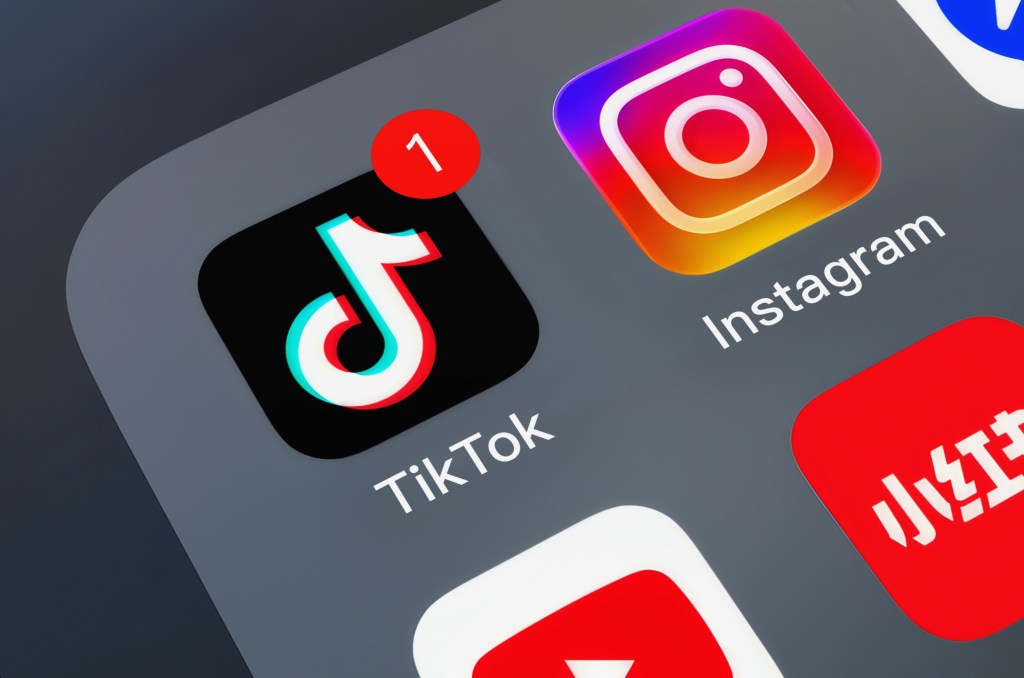
However, the current implementation of HiLight is limited to these basic functions. Users have expressed a desire for more dynamic and app-specific notifications. Imagine the LED glowing in Instagram’s orange, purple, and red palette upon receiving a notification from the app, or displaying Reddit’s distinctive red and white colors for Reddit alerts. Such visual cues would allow users to identify the source of notifications at a glance, even when the phone is face down.
The hardware is capable of supporting these dynamic visual notifications. The multicolor LEDs within HiLight are designed to produce a range of color blends, offering potential for more intricate light patterns. Despite this, the feature currently restricts its use to solid color blocks for calls and Gemini interactions.
Moreover, HiLight could be expanded to provide colored notifications for suspected spam calls or during active Call Screening sessions. This would enable users to quickly assess the nature of incoming calls based on the LED’s color, aiding in decision-making about whether to answer.
As it stands, HiLight’s functionality is confined to AI assistant interactions and call notifications, excluding message alerts and other app notifications. This limitation is surprising, especially considering early expectations that HiLight, previously referred to as ‘Pixel Glow,’ would serve as an evolved version of traditional LED notifications found in earlier smartphones.
Google had the opportunity to innovate with HiLight, offering a more engaging and informative notification system. While the current implementation provides some visual cues, it falls short of the dynamic, app-specific notifications that many users anticipated.
Looking ahead, there’s potential for Google to expand HiLight’s capabilities through software updates, transforming it into a more versatile and user-friendly notification system. Such enhancements would align with the growing demand for personalized and intuitive smartphone features.