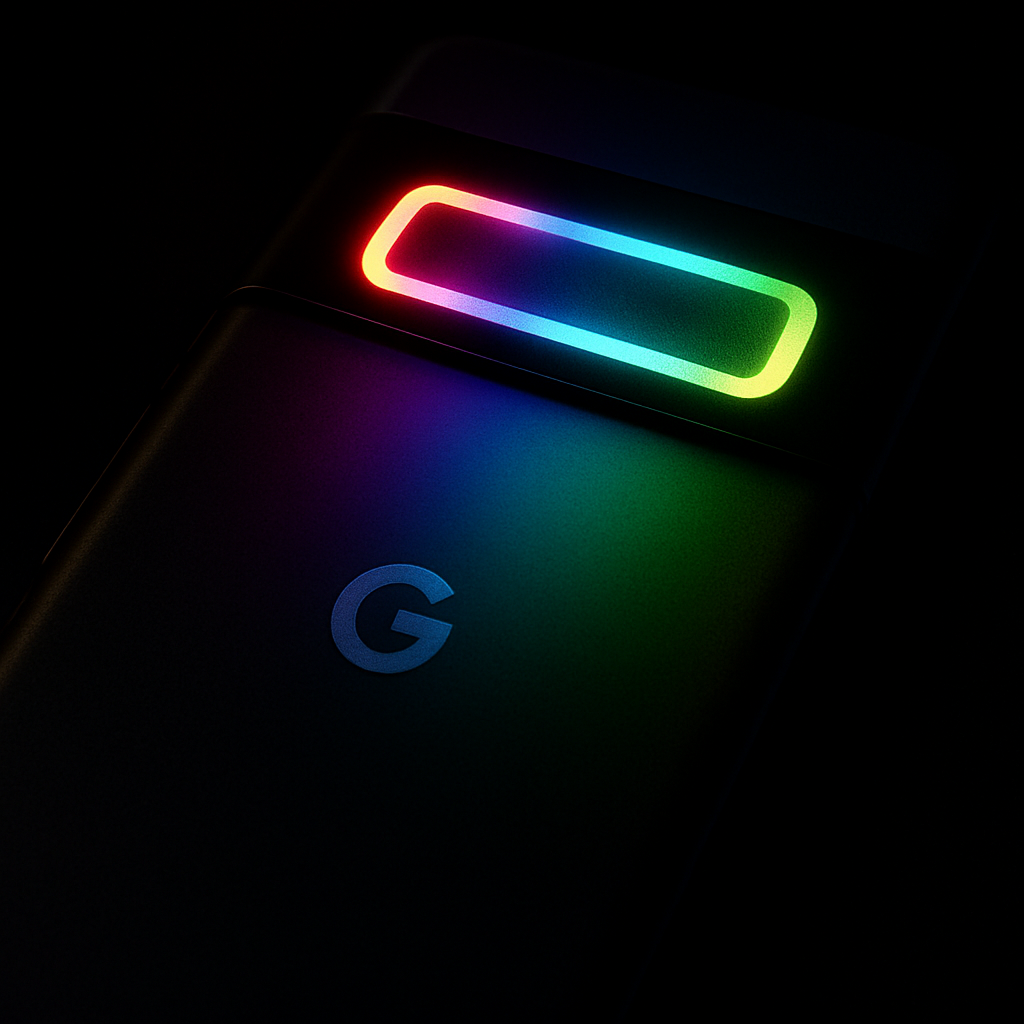
Google’s Pixel 11 Pro includes a hardware feature called “HiLight”—an RGB LED tied to limited functions like Google Gemini status and call notifications. The company hasn’t opened up control of HiLight to third-party apps… until now. An app dubbed HiLight Studio bypasses those restrictions and hands users near total command over what the light does.([9to5google.com](https://9to5google.com/2026/08/20/google-pixel-11-pro-hilight-third-party-control-feature/))
What HiLight Studio offers
HiLight Studio allows Pixel 11 Pro owners to configure the LED as a notification indicator for any app, using custom color schemes, patterns, and behavior settings. Users can assign different lighting for individual apps, build presets, share them with others, and even keep the LED glowing continuously if desired—features far beyond Google’s official functionality.([9to5google.com](https://9to5google.com/2026/08/20/google-pixel-11-pro-hilight-third-party-control-feature/))
Technical hurdles make it non-mainstream
Getting HiLight Studio up and running isn’t straightforward. Installation requires sideloading the app from GitHub, followed by using Shizuku and ADB tools from a PC. On top of that, each reboot of the device disables the app’s control, forcing users to reactivate it manually.([9to5google.com](https://9to5google.com/2026/08/20/google-pixel-11-pro-hilight-third-party-control-feature/))
At launch, Google limited HiLight to only a couple of functions; this mod essentially unlocks almost everything the hardware is capable of but was never officially exposed. Because HiLight Studio depends on unofficial permissions and advanced system tools, using it entails risk.([9to5google.com](https://9to5google.com/2026/08/20/google-pixel-11-pro-hilight-third-party-control-feature/))
Although this isn’t the simplest badge of tweak-culture, it demonstrates what users truly expect from feature hardware—full customization. If Google sees enough demand, we may yet get official support for third-party control. It’s still early days, but for many users this is a clear signal: HiLight was holding back on promise, and now we can finally see what it could have been.