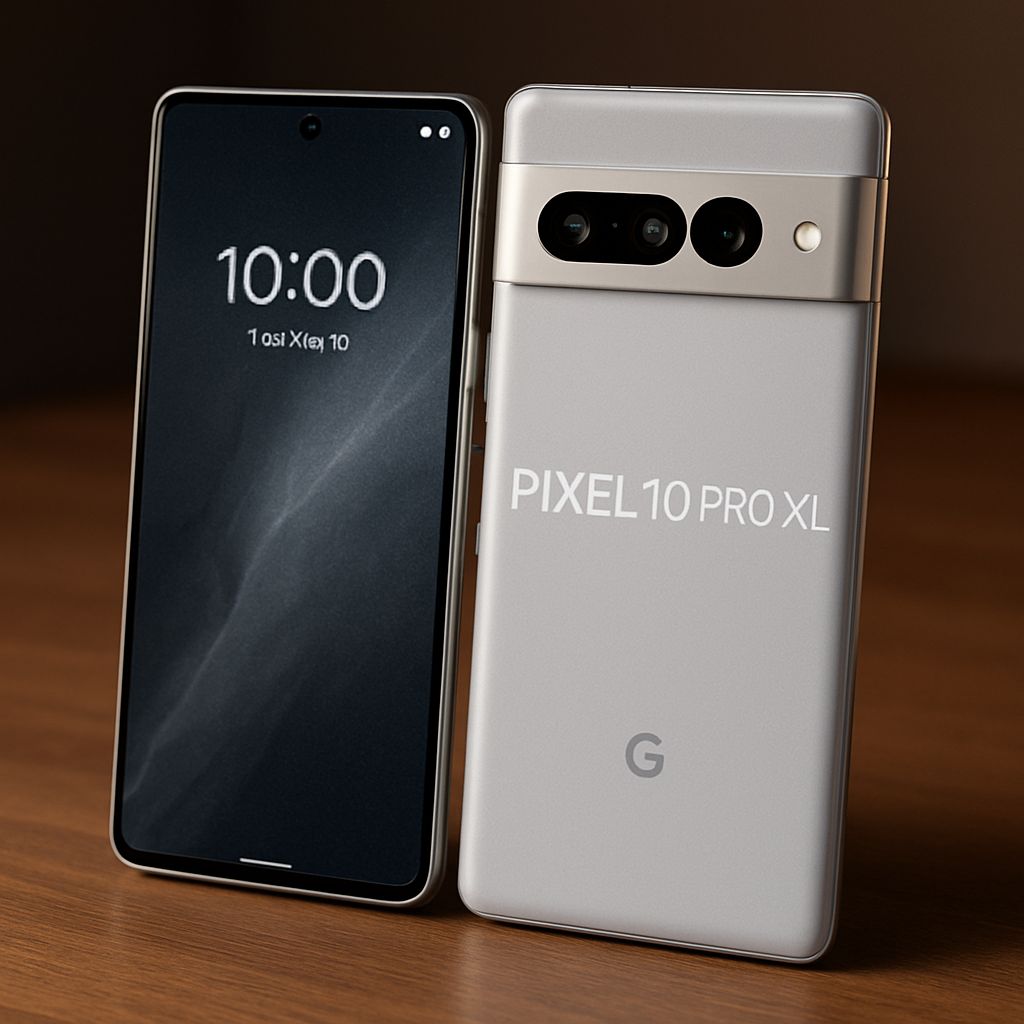
In recent weeks, a deal on the Pixel 10 Pro XL has turned heads among phone shoppers. The 256GB Moonstone version is now available for roughly $850, undercutting its successor’s price by about $450—all without sacrificing much. For anyone wary of inflating costs or the AI frenzy driving up hardware prices, this is a rare sweet spot in the market.
Reasons the Older Model Holds Up
First, you may find the cheaper Pixel 10 Pro XL outmatches the newer base Pro XL in some specs. In particular, the 256GB Pixel 10 Pro XL includes more RAM than the entry-tier version of this year’s phone. That advantage could translate into smoother performance and better longevity—especially for users who push their devices with multitasking or power-hungry apps.
On the hardware front, there are tradeoffs. The deal model features last year’s Tensor G5 chip versus the newer G6; its display is dimmer, the telephoto camera sensor is smaller, and a few high-profile features—like the undercooked “HiLight” mode—aren’t included. On the upside, you’ll still get perks like a temperature sensor and a stronger flash setting.
Software & Feature Gaps
Wish-list items like Camera Looks aren’t part of this package, and there haven’t been any indications that Google plans to backport it. Similarly, some of the latest AI tools (including Google’s “Rambler”) remain exclusive to the newer model for now. That said, third-party developers are already stepping in with alternatives, and some of Google’s voice-to-text innovations might be shared down the line.
One point to keep in mind: buying the older Pixel means giving up about a year of software updates. The Pixel 10 Pro XL sits one full cycle behind the newest entry in terms of its support window, which matters if you plan to keep the device several years.
Deal Value & Verdict
Given that the smaller Pixel 10 Pro with 256GB sold out at $700 (and its 128GB sibling still sells for $750), the $850 tag for the XL 256GB feels like strong value. For those who want high-end performance without paying flagship prices amid supply constraints like the so-called “RAMageddon,” this deal hits just right. Whether the smaller compromises are worth the savings depends on how much you care about the latest AI features or marginal upgrades in camera and display tech.
This deal matters beyond one phone. It reflects a broader shift in consumer priorities—where cost efficiency, usable performance, and storage/RAM ratios are starting to matter more than flashy spec bumps. If manufacturers expect customers to pay ever higher prices for incremental advances, deals like this could force them to prove that “next-gen” truly means more than just higher numbers.