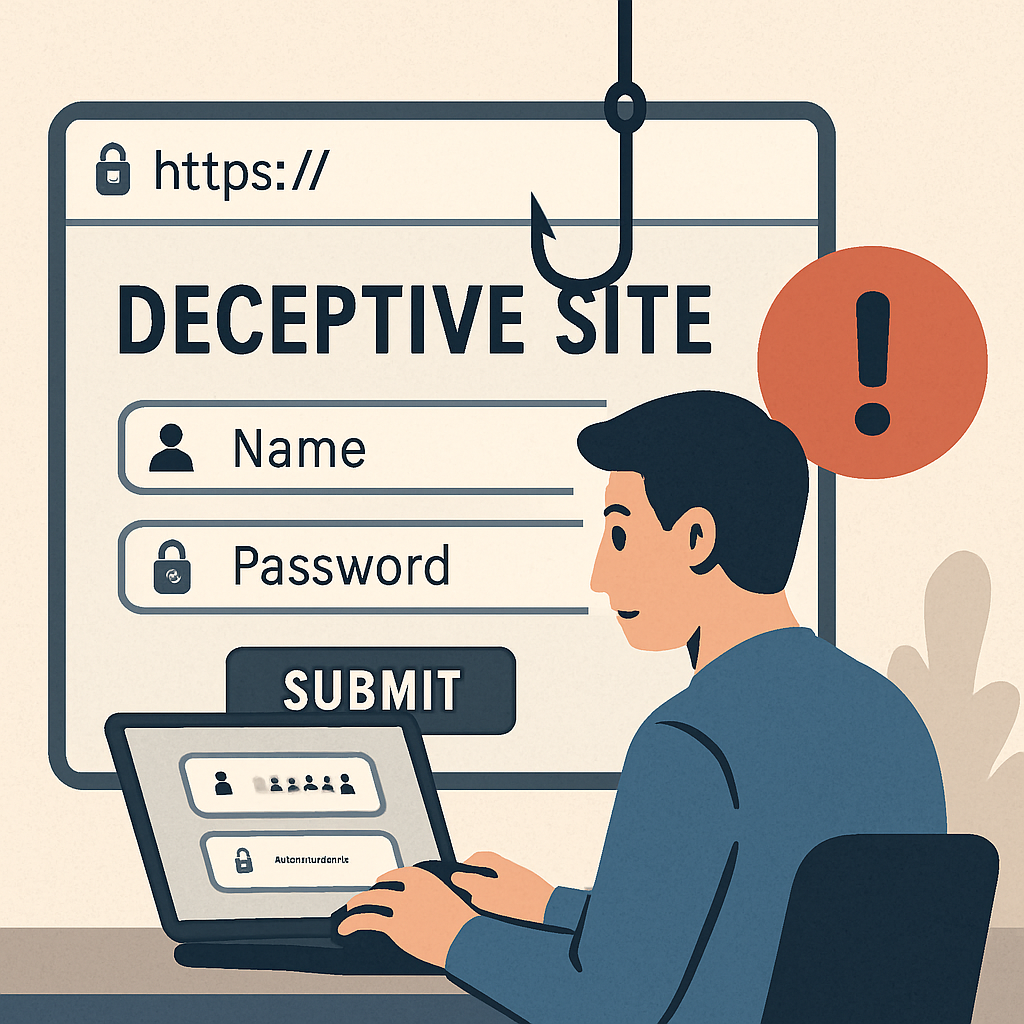
A recent phishing campaign is leveraging SSL/TLS certificates and carefully crafted domain names to deceive WhatsApp users into divulging sensitive information. By creating fraudulent websites that closely mimic legitimate services, attackers exploit users’ trust in familiar security indicators, such as the padlock icon, to facilitate credential theft.
The attackers register domains that closely resemble those of well-known brands, employing techniques like typosquatting—substituting characters or adding extra words—to create convincing lookalike URLs. They then obtain SSL/TLS certificates from legitimate certificate authorities, enabling these malicious sites to display the HTTPS protocol and the accompanying padlock icon, which are traditionally associated with secure and trustworthy websites.
Once these deceptive sites are set up, attackers distribute phishing messages via WhatsApp, directing recipients to these fraudulent login pages. Unsuspecting users, seeing the familiar security indicators, may be more inclined to enter their login credentials, verification codes, or other personal information, believing they are interacting with a legitimate service.
Security researchers have identified that the SSL/TLS certificates used in this campaign were issued on August 10, 2026, indicating a recent and coordinated effort to launch this wave of phishing attacks. The certificates were obtained from reputable authorities, including Let’s Encrypt, Google Trust Services, and Amazon. It’s important to note that while these certificate authorities are legitimate, the issuance of a certificate does not verify the authenticity of the website’s content or the legitimacy of its operators.
This campaign underscores a critical vulnerability: the potential for users to misplace their trust in visual security cues without thoroughly verifying the website’s authenticity. On mobile devices, where full URLs are often truncated, this risk is amplified, making it easier for attackers to deceive users.
To protect against such phishing attempts, users should exercise caution when receiving unsolicited messages containing links, even if they appear to come from known contacts. It’s advisable to manually navigate to official websites by typing the URL directly into the browser rather than clicking on links provided in messages. Additionally, users should scrutinize the full URL before entering any credentials, ensuring it matches the official domain of the service.
Organizations can take proactive measures by monitoring for newly registered domains that mimic their brand names and issuing public advisories to inform customers about potential phishing threats. Implementing multi-factor authentication (MFA) adds an extra layer of security, making it more difficult for attackers to gain unauthorized access even if credentials are compromised.
In the event that a user suspects they have entered their credentials on a fraudulent site, it’s crucial to immediately change passwords through the official service, review active sessions for any unauthorized access, and notify the service provider to mitigate potential damage.
This incident highlights the evolving tactics of cybercriminals who continuously adapt their methods to exploit both technological vulnerabilities and human psychology. As phishing techniques become more sophisticated, staying informed and vigilant is essential in safeguarding personal information and maintaining online security.