Philips Hue has revealed a trio of new lighting technologies at IFA 2026, aimed at making immersive home lighting more affordable and flexible. Alongside its premium 8K Sync Box, the company rolled out two lower-cost options: a camera-based screen sync solution and a single-port HDMI box. These join existing hardware upgrades, expanded app features, and a partnership with Nanoleaf to round out its late-year strategy.
Two New Sync Devices: Camera-Based and Single-Port HDMI
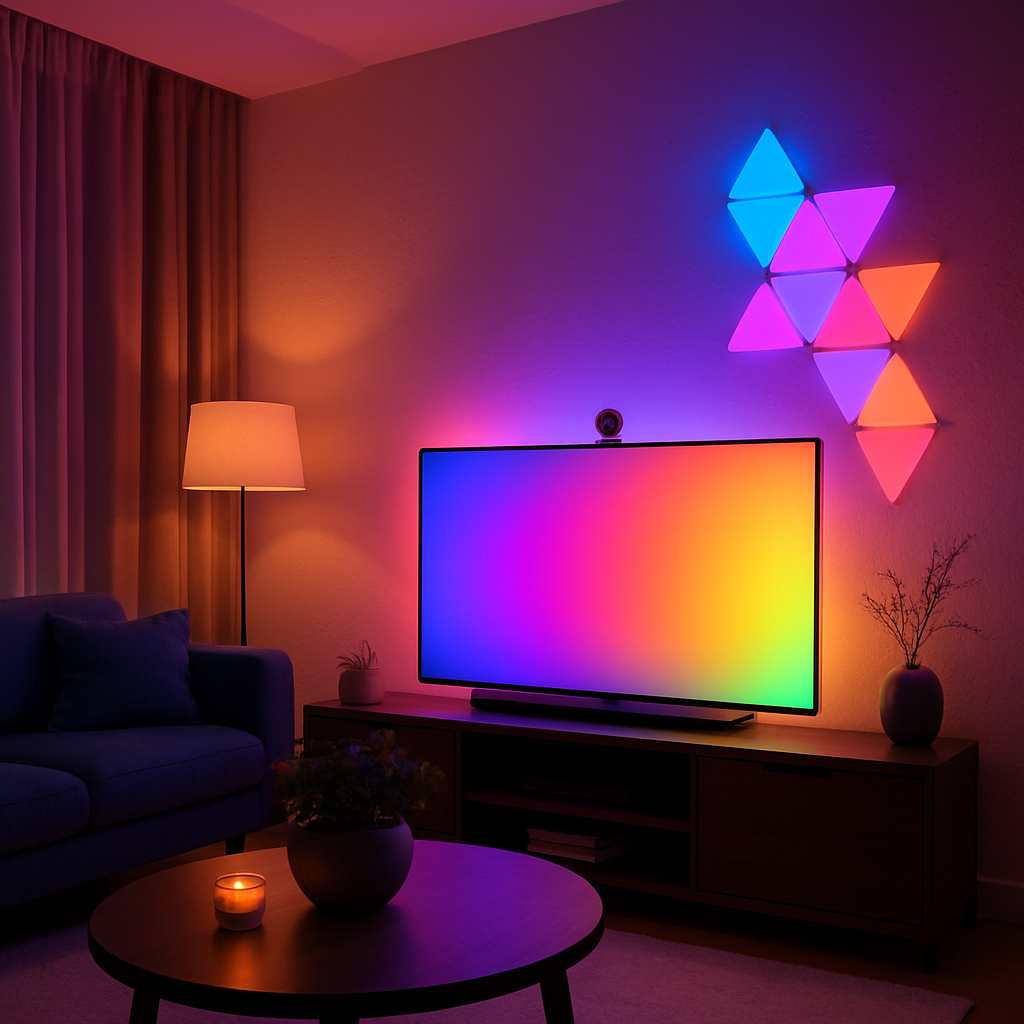
The highlight of the announcements is the Philips Hue Play Screen Sync, a device featuring a fisheye camera that sits atop your TV. It captures the display’s colors—regardless of the source—meaning you can sync with native TV apps without needing HDMI. This input-agnostic design is Philips Hue’s answer to cheaper camera-based alternatives like those from Govee. The Screen Sync will be priced at around $119.
For those who still prefer HDMI, Philips also unveiled the Play HDMI Sync Box 4K. It includes a single HDMI connection, making it ideal for setups that only need to integrate one media source or want a simple link to an AV receiver. It will be available at nearly $149. Both of the new sync options support Bluetooth connectivity in addition to Hue Bridge—offering more flexibility in how users set them up. In contrast, the Hue Bridge and Bridge Pro offer support for up to 10 lights, whereas a single light strip connects via Bluetooth alone.
Nanoleaf Module & App Improvements
Philips Hue is collaborating with Nanoleaf to integrate Nanoleaf’s light-up triangle shapes directly into the Hue ecosystem via a new Wall Light Module. That means those Nanoleaf panels can now join Hue scenes and automations, managed from the Hue app like any native product.
Software upgrades are coming this fall too. The Hue apps for Android and iOS will gain a backup-and-restore feature, helping preserve scenes and automations during phone switches or if the app gets deleted. Users will also see AI-generated scenes, designed to adapt to their specific needs or preferences. These updates are expected to begin rolling out in fall 2026.
Finally, Philips introduced new gradient light strips tailored for entertainment setups—now compatible with TVs up to 100 inches, offering users more options to frame their screens with immersive ambient lighting.
Pricing and availability: The Screen Sync will retail around $119, while the HDMI Sync Box 4K is priced at roughly $149. Both are already available via Philips Hue’s official channels and major retailers such as Amazon.
This wave of launches and updates reflects Philips Hue’s push to capture consumers seeking immersive lighting without the premium hardware cost. The camera-based Screen Sync and Nanoleaf integration expand the ecosystem significantly, while app improvements add convenience. What remains to be seen is how these budget introductions perform versus third-party alternatives—and whether users will find enough value in the environmental compatibility and scene flexibility to stick with the Hue brand. Keep an eye on how the AI-generated features land once they reach your device.