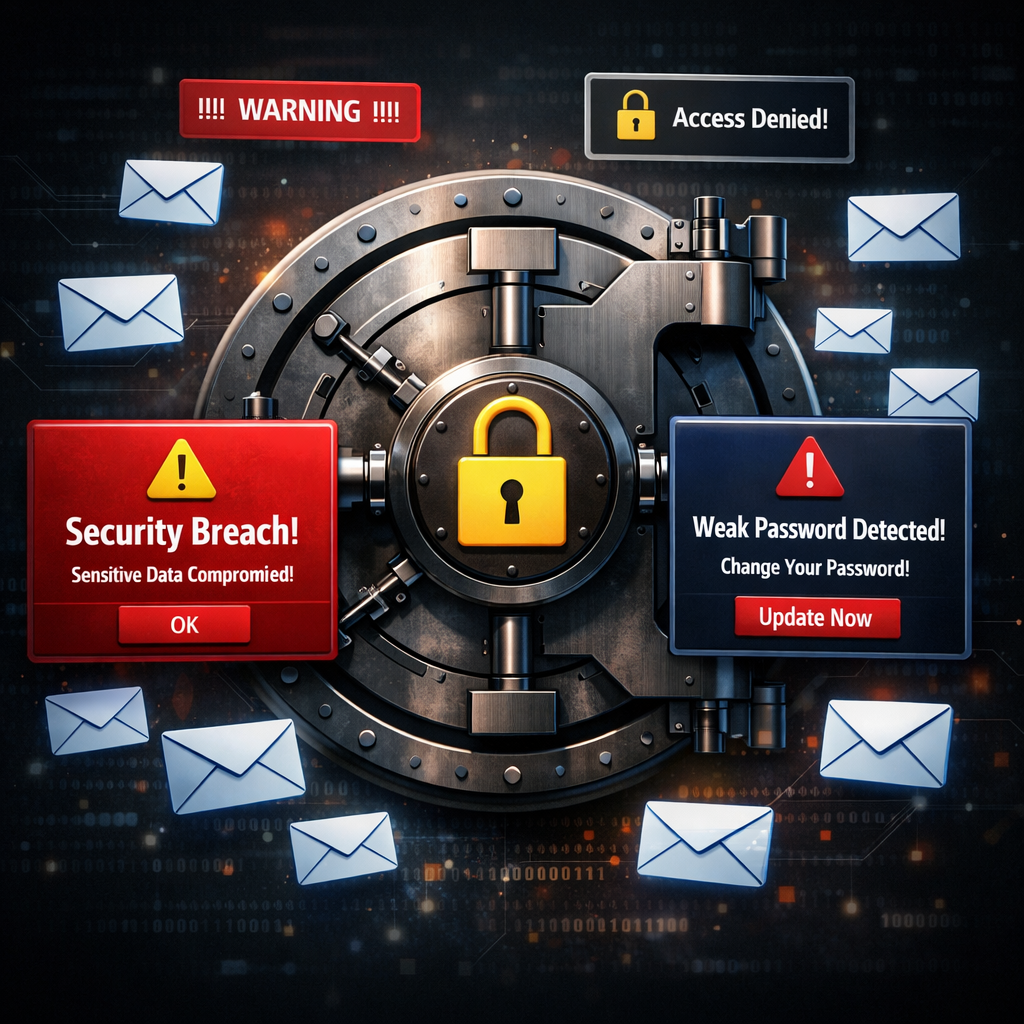
pCloud has revealed that its password manager, pCloud Pass, recently suffered a breach that exposed users’ email addresses and triggered login alerts—even for those protected by two-factor authentication (2FA). The cloud storage side of the business was not impacted, the company emphasized. The incident has raised concerns about what exactly was accessed and the security implications for affected users.
What Happened
Attackers gained access to a limited number of users’ email addresses tied to pCloud Pass accounts. Following the breach, some users received alerts suggesting a login or login attempt from a new device or browser, despite having 2FA enabled. pCloud clarified that these alerts were triggered by login attempts; there’s no confirmation that any unauthorized logins were successful. The company has not revealed how many email addresses were exposed nor how the breach occurred.
Passwords, secure notes, payment details, and other vault data were reportedly not compromised. The company maintains that the encryption remains intact—vault contents are encrypted on the user’s device (“client-side encryption”) and the master password, separate from the security code used in 2FA, is essential to unlock any data. Holding just an exposed email doesn’t allow access to encrypted content.
Why the Alerts Caused Confusion
The alerts, especially ones implying a new device was connected, caused alarm among users. While an alert for activity from an unfamiliar browser or device is normal when 2FA is in place, it doesn’t necessarily mean someone bypassed the security protections. pCloud has not clarified why some alerts made it seem like devices were successfully added or connected rather than just a login attempt being made.
Further complicating things is what hasn’t been addressed: whether encrypted vault files were accessed or copied. Unlike past breaches (such as LastPass), where attackers did take encrypted vault data, pCloud has so far only confirmed exposure of email addresses and unverified login attempts. There is no evidence yet of any stored data being stolen or decrypted.
Users are advised to access pCloud via trusted methods—official apps or saved bookmarks—instead of following links in alerts, which could be phishing attempts. If anything suspicious is noticed—unrecognized devices, strange alerts—it’s wise to change the account password through pCloud’s official channels and retain any alert messages so they can be reviewed if needed.
What’s at Stake
Email addresses exposed in breaches often become targets for phishing campaigns and other social engineering attacks. Messages pretending to be security alerts could try to lure users into entering sensitive credentials or master passwords on fake pages. pCloud has stated it will never ask users to submit master passwords or recovery words via email, phone, or chat.
As of now, the only certain impact is the leak of email addresses. There’s no indication that any encrypted vault component—whether passwords, notes, or financial data—has been accessed. The success or failure of login attempts remains unconfirmed.
The incident underscores the fine line between alerting users for security and causing unnecessary panic. Users with pCloud Pass accounts should stay alert, monitor for odd behavior, and strengthen overall security practices.
This breach highlights a broader trend: even with client-side encryption and 2FA, no system is immune to the ripple effects of exposed identification data. What’s being revealed here isn’t just a breach—it’s how attackers exploit confidence in alerts and email security. For users, the takeaway is clear: vigilance isn’t optional; it’s essential.