Patreon CEO Jack Conte Challenges AI Firms’ ‘Fair Use’ Claims, Advocates for Creator Compensation
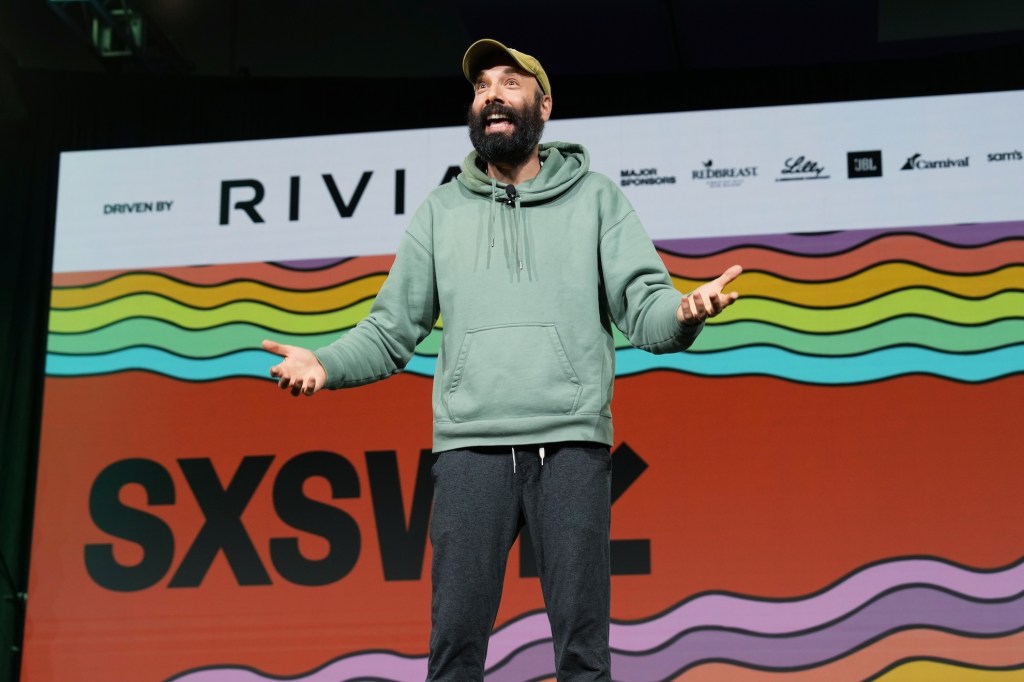
At the recent SXSW conference in Austin, Jack Conte, CEO of Patreon, addressed the contentious issue of artificial intelligence (AI) companies utilizing creators’ content without compensation. While acknowledging the transformative potential of AI, Conte firmly criticized the industry’s reliance on the fair use doctrine to justify training AI models on copyrighted material without remunerating the original creators.
Conte, who founded Patreon to support artists and creators in monetizing their work, emphasized that his stance is not anti-technology. I run a frickin’ tech company, he stated, highlighting his appreciation for technological advancements. However, he drew a clear line when it comes to the exploitation of creators’ content without fair compensation.
The ‘Fair Use’ Controversy
The crux of Conte’s argument lies in the AI industry’s interpretation of fair use. This legal doctrine permits limited use of copyrighted material without permission under specific circumstances, such as for commentary, criticism, or education. AI companies have invoked this principle to justify scraping vast amounts of data from the internet, including copyrighted works, to train their models.
Conte challenged this justification, pointing out the inconsistency in AI companies’ practices. The AI companies are claiming fair use, but this argument is bogus, he asserted. He highlighted that while these companies claim their actions are legally permissible, they simultaneously engage in multimillion-dollar licensing agreements with major rights holders like Disney, Condé Nast, Vox, and Warner Music. If it’s legal to just use it, why pay? Conte questioned, underscoring the selective nature of these agreements that often exclude individual creators.
The Impact on Creators
The unauthorized use of creators’ work for AI training has significant implications. Artists, musicians, writers, and other content creators invest substantial time and effort into their creations. When AI models are trained on their work without consent or compensation, it not only undermines their rights but also devalues their contributions.
Conte’s concerns are echoed by many in the creative community who fear that AI-generated content could saturate the market, making it harder for original creators to gain recognition and financial stability. This issue is particularly pressing as AI-generated art, music, and literature become increasingly sophisticated and indistinguishable from human-made works.
Legal Landscape and Industry Practices
The debate over AI and copyright is not new. Several high-profile cases have brought this issue to the forefront:
– Meta’s Use of Copyrighted Content: In early 2025, court filings revealed that Meta employees discussed using copyrighted works to train the company’s AI models. CEO Mark Zuckerberg reportedly approved the use of datasets containing pirated e-books and articles for training purposes. This revelation sparked significant controversy and legal scrutiny. ([techcrunch.com](https://techcrunch.com/2025/01/09/mark-zuckerberg-gave-metas-llama-team-the-ok-to-train-on-copyrighted-works-filing-claims/?utm_source=openai))
– Anthropic’s Legal Victory: In June 2025, a federal judge ruled in favor of AI company Anthropic, stating that training AI models on published books without authors’ permission fell under fair use. This decision marked a significant precedent, though it was limited in scope and did not universally validate the practice. ([techcrunch.com](https://techcrunch.com/2025/06/24/a-federal-judge-sides-with-anthropic-in-lawsuit-over-training-ai-on-books-without-authors-permission/?utm_source=openai))
– OpenAI’s Advocacy for Fair Use: OpenAI has actively lobbied for the codification of fair use in AI training. In March 2025, the company called for U.S. government policies that would preserve AI models’ ability to learn from copyrighted material, arguing that such practices are essential for AI development. ([techcrunch.com](https://techcrunch.com/2025/03/13/openai-calls-for-u-s-government-to-codify-fair-use-for-ai-training/?utm_source=openai))
These cases illustrate the complex and evolving legal landscape surrounding AI and copyright. While some courts have sided with AI companies, others have highlighted the need for clearer regulations and fair compensation mechanisms for creators.
The Path Forward
Conte’s advocacy underscores the necessity for a balanced approach that respects both technological innovation and creators’ rights. He acknowledges the inevitability of change and the potential benefits of AI but insists that this progress should not come at the expense of those who produce original content.
Change does not mean death, Conte remarked, reflecting on the resilience of creators in adapting to new challenges. He emphasized that societies thrive when they value and incentivize creativity, suggesting that fair compensation for creators is not just a matter of individual rights but a societal imperative.
Conclusion
As AI continues to reshape various industries, the conversation around fair use and creator compensation becomes increasingly critical. Jack Conte’s stance highlights the need for ethical practices that honor the contributions of creators while embracing technological advancements. The ongoing dialogue between AI companies, creators, and legal entities will be pivotal in shaping a future where innovation and creativity coexist harmoniously.