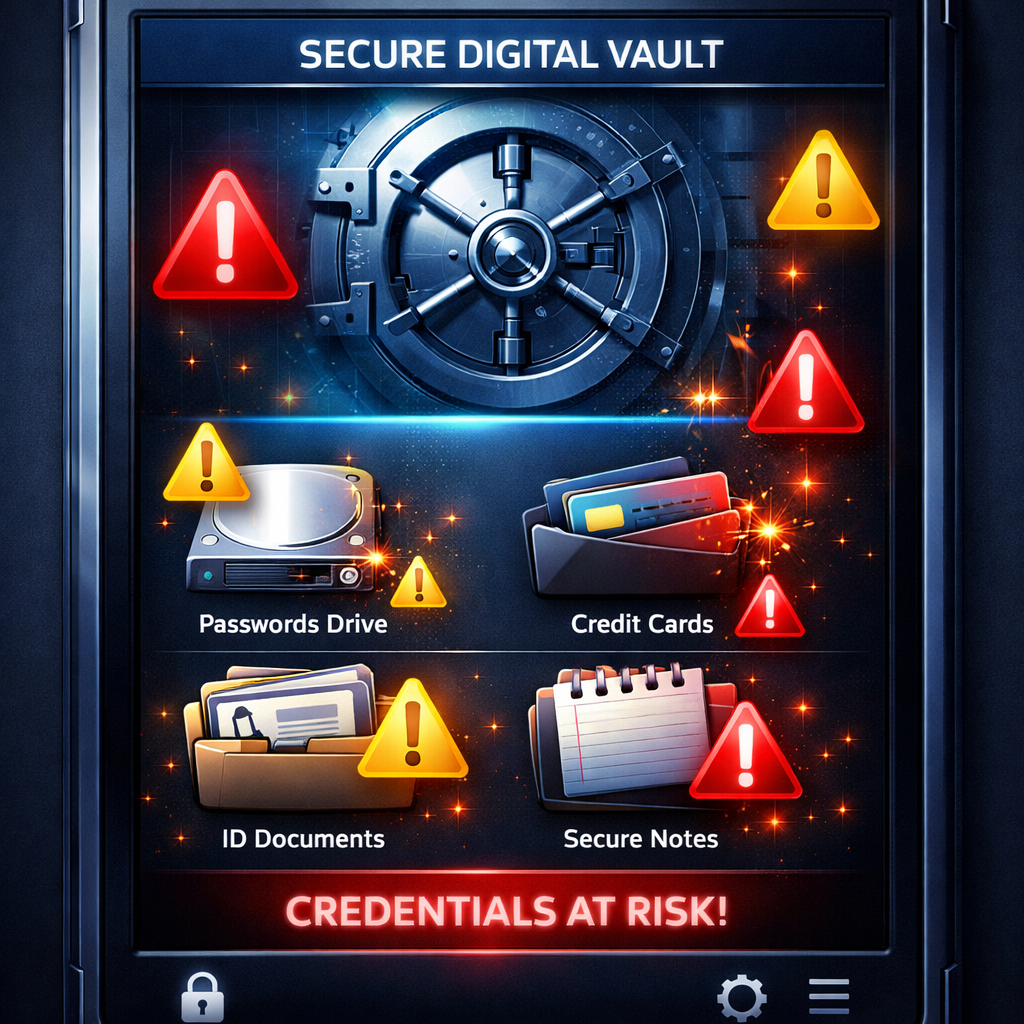
Password manager mSecure has issued a serious alert to both current and former users, urging immediate action to secure their credentials, two-factor authentication (2FA) setups, and any stored passkeys. The warning comes after the developer, mSeven Software, discovered suspicious behavior tied to the service. The company is investigating, has engaged external cybersecurity experts, and has taken steps intended to mitigate the risk—but many crucial details remain unclear.
What mSeven is Asking Users to Do
In its customer notice, mSeven recommends changing all account passwords, resetting or re-enrolling 2FA tools, and deleting any existing passkeys. These instructions are issued without specifying exactly which accounts, app versions, or methods of storage might be at risk. The communication urges users to take action immediately but provides no clear timeline or list of exposed systems.
What Is Still Unknown
While mSeven states it learned of the suspicious activity recently, the advisory does not confirm the nature of the threat, how broadly users are impacted, or whether any sensitive vaults—such as login credentials or encryption keys—were accessed or compromised. The precise cause of the incident, the point of failure in security, and the volume of data affected have not yet been disclosed.
The advisory draws attention to wider risks that stem from password manager vulnerabilities, such as passkey compromise or synced vault exposure—though no connection has been established between mSecure and past incidents. Experts caution that changing a password alone may not protect vault data if bad actors already copied information elsewhere.
Why This Matters Now
This notice follows a 2025 review by Germany’s Federal Office for Information Security (BSI), which underscored the importance of clear data protection practices—though that review did not implicate this specific event. The current alert has raised many questions among users about master passwords, encryption, and whether passkeys stored or used via mSecure are now unsafe. For now, users are advised to assume maximum risk when using stored credentials.
mSecure’s guidance emphasizes that affected users should change passwords directly via the services’ official websites or apps, especially for highly sensitive accounts such as financial institutions. The advisory also urges review of authentication methods and passkey usage. But without confirmation from mSeven about what went wrong, how data may have been exposed, or what remedial steps are complete, the full severity remains speculative.
What this means: Password managers are core tools for digital security, relying on strong master passwords, encryption, and secure authentication methods to protect a user’s entire credential ecosystem. Any compromise in these layers—whether via misconfiguration, external intrusion, or internal error—can cascade into serious breaches across multiple services. mSecure’s request for users to act fast reflects that potential.
What to watch for: Updates from mSeven clarifying whether vaults were accessed, whether master passwords or encryption keys were involved, and what fixes have been implemented. Also worth monitoring are any third-party audits, breach notifications from affiliated services, or regulatory findings. Users should review all services tied to their mSecure account, reset everything sensitive, and enable 2FA or alternate protections wherever possible.