Consumers who bought Logitech products during the era of Trump’s tariffs on Chinese imports may be owed refunds. A new class action lawsuit is seeking to reclaim for customers the excess price they paid when Logitech increased prices on many items, citing recent Supreme Court rulings that declared those tariff hikes unlawful. This development could mark a major shift in how companies handle cost pass-through when import taxes are reversed.
The Cost of Tariffs
During peak tensions in the US trade war with China, the federal government rolled out steep new tariffs, intended to pressure companies to move manufacturing stateside. In reality, many firms—Logitech among them—ended up shouldering these duties and then raising retail prices to compensate. In Logitech’s case, roughly half its product catalog saw prices jump by as much as 25%.([9to5mac.com](https://9to5mac.com/2026/08/20/bought-logitech-kit-during-the-trump-tariff-mess-you-may-be-due-a-refund/))
The Legal Turning Point
Earlier in 2026, the Supreme Court ruled that the president lacked constitutional authority to impose those tariffs unilaterally. As a result, importers are now eligible to get those fees refunded. But there’s no sign that companies like Logitech have passed those refunds on to customers, even though many consumers effectively covered the costs when buying elevated-priced products.([9to5mac.com](https://9to5mac.com/2026/08/20/bought-logitech-kit-during-the-trump-tariff-mess-you-may-be-due-a-refund/))
The Class Action Lawsuit
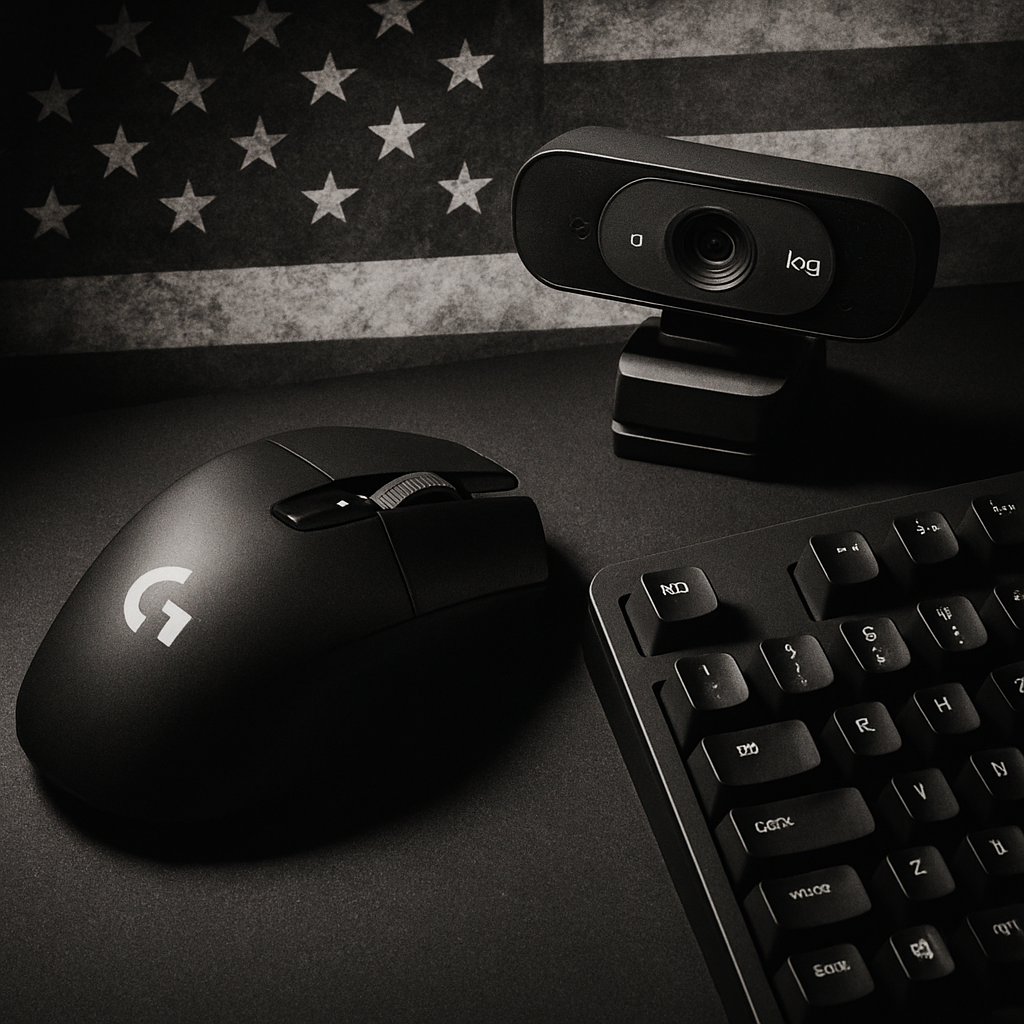
Law firm CPM has filed a lawsuit against Logitech, aiming to represent people who purchased items such as keyboards, mice, webcams, or other gear, and paid the inflated prices. The suit argues those extra charges were a hidden tax—one imposed via price increases instead of direct tariff labels—and seeks reimbursement for affected buyers.([9to5mac.com](https://9to5mac.com/2026/08/20/bought-logitech-kit-during-the-trump-tariff-mess-you-may-be-due-a-refund/))
Practical Hurdles to Refunds
Logitech would face considerable challenges if required to refund customers. The company would have to trace which purchases were made during that period, through numerous channels including retailers and resellers, figure out what portion of each price hike was due to tariffs, and then calculate refunds appropriately. Recordkeeping, variable markup across products, and differences in purchase dates complicate this process even further.([9to5mac.com](https://9to5mac.com/2026/08/20/bought-logitech-kit-during-the-trump-tariff-mess-you-may-be-due-a-refund/))
Potential Broader Impact
If successful, this lawsuit could establish a precedent mandating companies not only repay enforced tariffs themselves once declared invalid, but also reimburse customers who absorbed those costs downstream. It could force greater transparency in pricing practices when external costs are passed through, especially in industries reliant on imported components and products. But as with many class actions, even a win for plaintiffs might lead to modest payouts per person.([9to5mac.com](https://9to5mac.com/2026/08/20/bought-logitech-kit-during-the-trump-tariff-mess-you-may-be-due-a-refund/))
What this all means is that companies may soon be legally forced to take responsibility for past price hikes that followed illegal policies—not just pay restitution to the government, but to consumers as well. As this case moves forward, keep an eye on whether Logitech responds with a refund plan, and whether this model spreads to other brands that raised prices during the tariff regime.