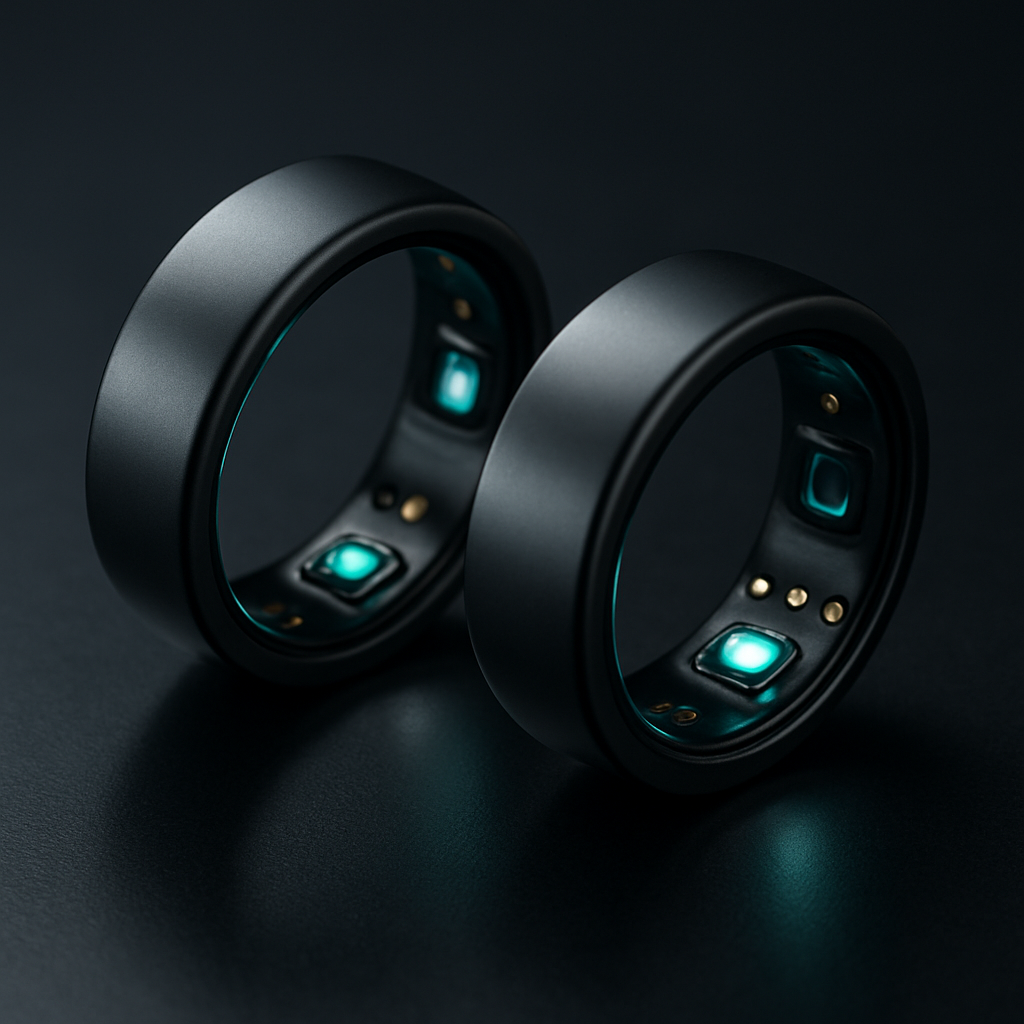
Oura, the wearable health-tech company known for its smart rings, is reportedly moving toward a U.S. initial public offering as early as September. The ring maker is aiming to raise around $3 billion, and sources suggest the offering could value the company north of $16 billion. The firm maintains operations in both San Francisco and Finland and has approximately 900 employees. ([techcrunch.com](https://techcrunch.com/2026/08/24/oura-is-reportedly-eyeing-a-september-ipo-that-could-value-it-at-more-than-16b/))
Last year, Oura secured $875 million in a Series E funding round led by Fidelity, ICONIQ, Whale Rock, and Atreides, with earlier backing from Dexcom, The Chernin Group, Forerunner Ventures, Coatue, and Temasek. That round pegged the company’s valuation at $10.9 billion — meaning the upcoming IPO could represent a sharp increase. ([techcrunch.com](https://techcrunch.com/2026/08/24/oura-is-reportedly-eyeing-a-september-ipo-that-could-value-it-at-more-than-16b/))
Standing Out in a Crowded Wearables Market
The wearables space has fast become saturated. Samsung launched its Galaxy Ring two years ago, offering consumers another form of smart wearable. Yet Oura’s biggest competitor may be Whoop, which has repositioned itself beyond performance tracking to embrace broader health metrics like hormone balance and thyroid function for perimenopause. These moves helped Whoop reach a $10 billion valuation as of March this year. ([techcrunch.com](https://techcrunch.com/2026/08/24/oura-is-reportedly-eyeing-a-september-ipo-that-could-value-it-at-more-than-16b/))
Oura itself has evolved significantly. Although it began as a niche tool for biohackers and wellness enthusiasts, the company has moved into the mainstream sleep and recovery market. In May, it filed confidentially for its IPO. ([techcrunch.com](https://techcrunch.com/2026/08/24/oura-is-reportedly-eyeing-a-september-ipo-that-could-value-it-at-more-than-16b/))
Regulatory Risks and Legal Headwinds
Not all attention has been positive. A class-action lawsuit filed recently in San Francisco accuses Oura of exaggerating the precision of its sleep tracking. The suit alleges that the company claims to identify exact stages of sleep — a capability, according to plaintiffs, that requires clinical equipment like brain electrodes and eye sensors. ([techcrunch.com](https://techcrunch.com/2026/08/24/oura-is-reportedly-eyeing-a-september-ipo-that-could-value-it-at-more-than-16b/))
Oura has responded by emphasizing that while its ring isn’t a medical device and isn’t meant to replace clinical sleep studies, its sleep staging technology has been validated in multiple studies, including comparisons with polysomnography — widely considered the standard. Independent research, the company says, supports the accuracy claims and it has been transparent about the methods used. ([techcrunch.com](https://techcrunch.com/2026/08/24/oura-is-reportedly-eyeing-a-september-ipo-that-could-value-it-at-more-than-16b/))
Any IPO at this scale would appear to bet on continued growth in consumer health wearables, especially those focused on sleep, recovery, and holistic wellness. This positioning, however, comes with intensified scrutiny—from rivals and regulators alike. The value Oura is placing on its next steps suggests it is ready to expand beyond its previous niche, but the success or backlash could hinge on just how accurate and trustworthy its claims are in the eyes of both consumers and the courts.