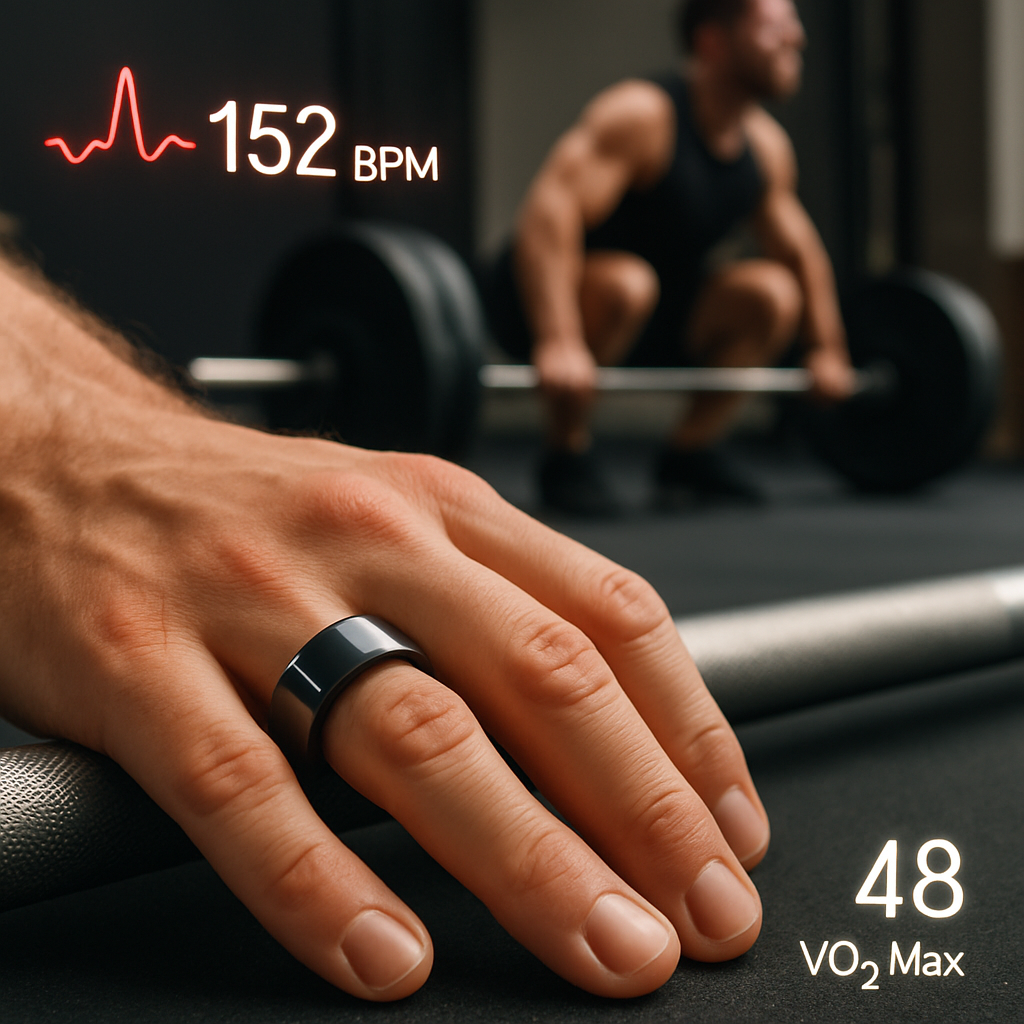
Oura is expanding the capabilities of its smart ring devices with two new metrics designed to deepen insight into workouts: Cardio Effort and VO₂ Max. These features shift tracking beyond basic stats like duration and heart rate zones, offering users more actionable data about how exercise affects performance and cardiovascular health.
What’s New: Cardio Effort & VO₂ Max
Cardio Effort reports how much stress a workout places on the cardiovascular system. Rather than just tracking time, it measures both how hard and how long you’ve been active. A short, intense session can score similarly to a longer, gentler workout if they produce comparable cardiovascular strain. The metric appears in two forms: one that evaluates individual workouts, and another that aggregates effort over the week. Weekly totals are classified into categories like “Light,” “Fair,” “Maintaining,” “Building,” or “Reaching.”
This measure isn’t based on traditional max-heart-rate estimates, but instead compares elevated heart rate to each user’s own long-term resting heart rate. Users will get ranges personalized based on recent activity patterns. Cardio Effort will be available for users with Gen3 Oura Ring devices and newer models.
VO₂ Max adds another dimension, reflecting fitness improvements over time. It gauges how efficiently oxygen is delivered to and utilized by muscles, heart, and lungs during exercise—a key indicator of aerobic fitness. Until now, VO₂ Max estimates typically required lab tests or timed walks. Oura’s new approach makes it possible to estimate VO₂ Max passively via GPS-enabled workouts.
After completing five qualifying activities, users receive an initial VO₂ Max estimate. From there, the My Health Heart Hub displays their score (in ml/kg/min), fitness category (such as Low, Fair, High, Peak), historical trends, and notes when things change meaningfully—or when the metric remains stable. This feature will live in “Oura Labs,” the company’s experimental features hub, and will also require Gen3 or newer rings.
Why It Matters
This update comes as competition among smart ring makers heats up. Brands like RingConn and Ultrahuman are pushing into the space, making differentiation more important. By adding these metrics, Oura is leaning into deeper analytics to maintain its edge in health tracking.
These tools give users a clearer view of two critical axes: how hard workouts feel (Cardio Effort) and what they actually mean for long-term fitness gains (VO₂ Max). Together, they help bridge the gap between day-to-day intensity and the longer arc of aerobic health.
For users with newer Oura Rings, this means more data—and more context. It’s no longer enough to hit a heart rate zone; now you can see whether your efforts are maintaining fitness or pushing you toward new levels.
What to Watch: Accuracy will be key. Since Cardio Effort relies on resting heart rate baselines and VO₂ Max on GPS workouts, both are subject to variability—device fit, environmental factors, inconsistent activity detection could affect outcomes. Also, how “Oura Labs” handles user feedback, and whether the experimental tag affects trust or stability, will be worth observing. Ultimately, these features could set new expectations for what smart rings should deliver in health analytics.