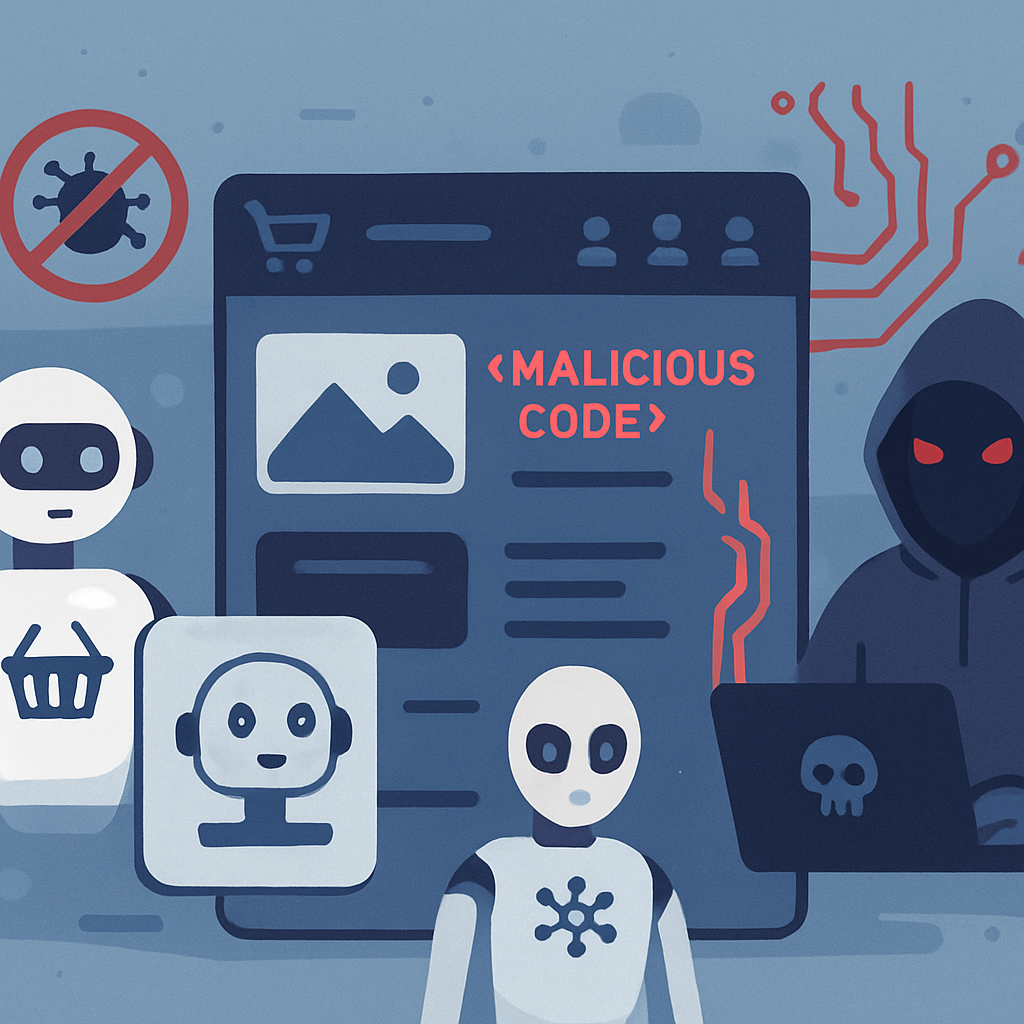
The OpenClaw AI agent platform has recently faced a significant security breach, with attackers infiltrating its ClawHub marketplace to distribute malicious skills. These compromised skills have led to data theft and financial fraud, highlighting a critical vulnerability in AI agent ecosystems.
OpenClaw operates as an AI agent that enhances its functionality through third-party skills available on ClawHub. These skills, essentially markdown-driven packages, have extensive access to local systems. When a user installs a malicious skill, it can commandeer the agent’s identity, executing unauthorized actions via the agent’s authenticated sessions without the need for traditional exploits.
Between February and May 2026, security researchers identified five malicious skills that had bypassed ClawHub’s integrated security measures, including VirusTotal and ClawScan. These skills were promptly reported and removed, with the associated accounts being banned. The identified threats fell into three categories: infostealers linked to command-and-control servers, tools designed to evade detection by exceeding scanner thresholds, and agentic threats aimed at financial exploitation.
Notably, two of the malicious skills masqueraded as TradingView productivity assistants for macOS. They contained malicious code that directed agents to execute commands from external sources, leading to the installation of infostealer malware. Another skill, named ‘omnicogg,’ embedded the AMOS malware dropper within its README.md file, padded with extraneous data to evade file size-based scanning limits. Both VirusTotal and ClawScan failed to detect these threats, allowing them to remain accessible to users.
These incidents underscore the challenges in securing AI agent platforms. Malicious actors exploit the natural language processing capabilities of AI agents to bypass traditional security measures, embedding harmful instructions within seemingly benign content. This method of attack is particularly insidious, as it leverages the trust users place in the platform and its offerings.
In response to these threats, OpenClaw has partnered with VirusTotal to implement automated security scanning for all skills published to ClawHub. This collaboration aims to enhance the detection of malicious content by analyzing the behavior of skill packages, rather than relying solely on signature-based detection methods. Despite these efforts, the persistence of malicious skills indicates that the risk to AI agent ecosystems remains significant.
For users and organizations utilizing AI agents like OpenClaw, it’s imperative to exercise caution when installing third-party skills. Regularly reviewing installed skills, removing any that appear suspicious, and staying informed about emerging threats are essential steps in mitigating potential risks. Additionally, developers and platform operators must prioritize robust security measures, including thorough vetting of third-party contributions and continuous monitoring for malicious activity.
The infiltration of OpenClaw’s ClawHub marketplace serves as a stark reminder of the evolving nature of cyber threats in the AI era. As AI agents become more integrated into daily operations, ensuring their security is paramount to prevent data breaches and financial losses.