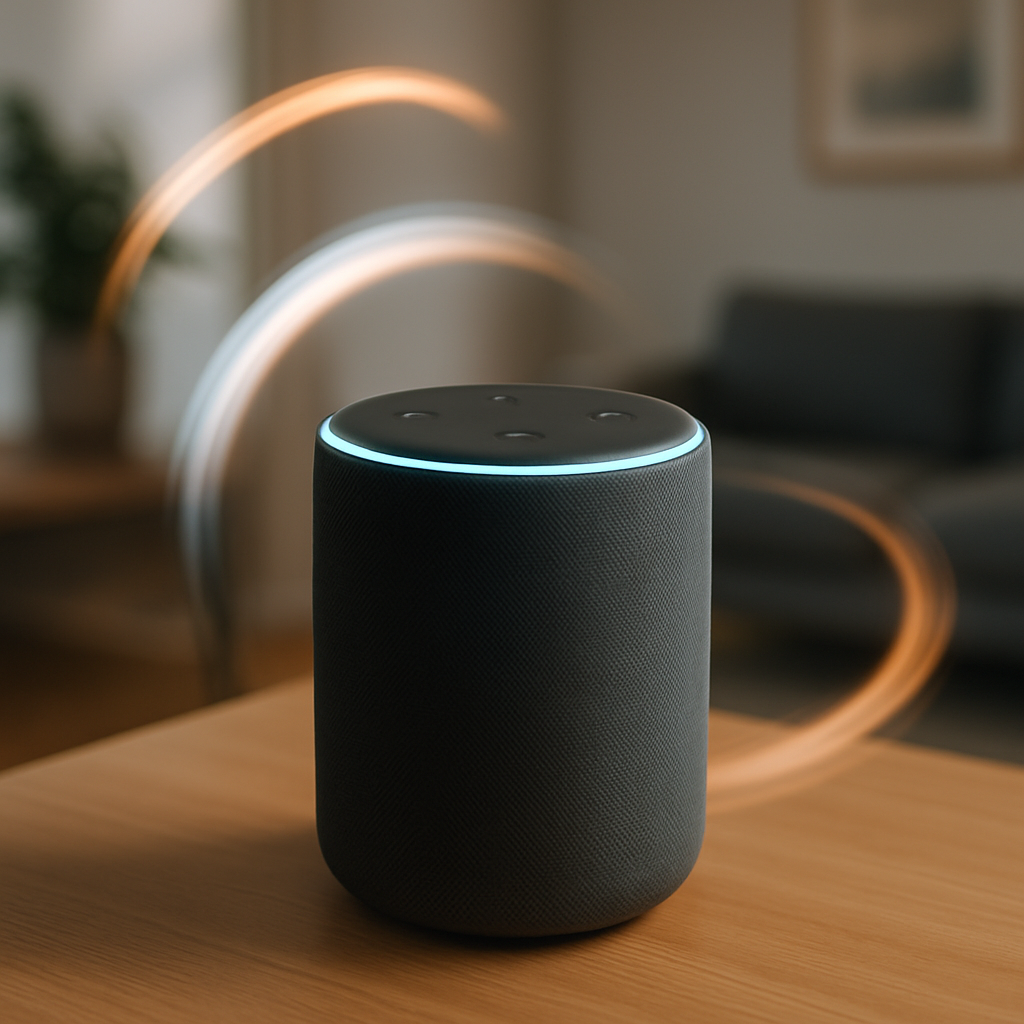
OpenAI, renowned for its advancements in artificial intelligence, is making a significant foray into the hardware sector with the development of a portable, screenless smart speaker. This device, powered by ChatGPT and GPT-Live, is designed to function as an AI companion within the home, capable of controlling smart home devices, answering queries, playing media, and responding to messages. Notably, it features a rechargeable battery for mobility between rooms, a camera to understand its surroundings, and motorized elements that create a sense of liveliness.
However, this ambitious venture has led to legal entanglements with Apple. On July 10, 2026, Apple filed a lawsuit in the Northern District of California, accusing OpenAI of a scheme to acquire confidential information about unreleased Apple products. The lawsuit specifically names Tang Tan, OpenAI’s Chief Hardware Officer and a former 24-year Apple veteran who previously led iPhone product design, and Chang Liu, a former Apple electrical engineer. Apple alleges that Tan coached recruits on evading exit-interview security procedures and instructed at least one employee to bring hardware components to an interview. Additionally, OpenAI is accused of persuading a supplier to apply a proprietary metal-finishing technique to its device by falsely claiming Apple’s permission.
This legal action follows a deterioration of the 2024 partnership that integrated ChatGPT into Siri. OpenAI has been actively recruiting former Apple employees, with over 400 now part of its team, including Paul Meade, former leader of Apple’s Vision Products Group. Furthermore, Jony Ive, Apple’s former design chief, is leading the design of OpenAI’s hardware lineup through LoveFrom, following OpenAI’s $6.5 billion acquisition of his startup, io Products.
In response to these developments, Apple has offered retention bonuses of up to $400,000 to its employees and issued legal preservation letters to approximately 40 former staff members, indicating a belief that the alleged misappropriation extends beyond those named in the lawsuit. OpenAI, for its part, asserts that it has no interest in other companies’ trade secrets.
Industry observers, such as Bloomberg’s Mark Gurman, suggest that the lawsuit is already impacting OpenAI’s recruitment efforts, deterring Apple engineers from considering positions at OpenAI and making Asian suppliers cautious about deepening ties with the company. Notably, Jony Ive is not named in the complaint, a decision Gurman believes is deliberate, given Apple’s relationship with io Products investor Laurene Powell Jobs.
OpenAI’s smart speaker, which has been teased by Ive and CEO Sam Altman for months, is now expected to launch in early 2027, with a price range between $200 and $300. OpenAI reportedly does not view Apple’s HomePod or Amazon’s Echo as direct competitors, indicating a unique positioning in the market.
OpenAI’s entry into the hardware market, particularly with a device that aims to redefine user interaction through AI, signifies a bold challenge to established tech giants like Apple. The outcome of the ongoing legal battle will likely have significant implications for the future of AI-integrated consumer devices and the competitive landscape of the tech industry.