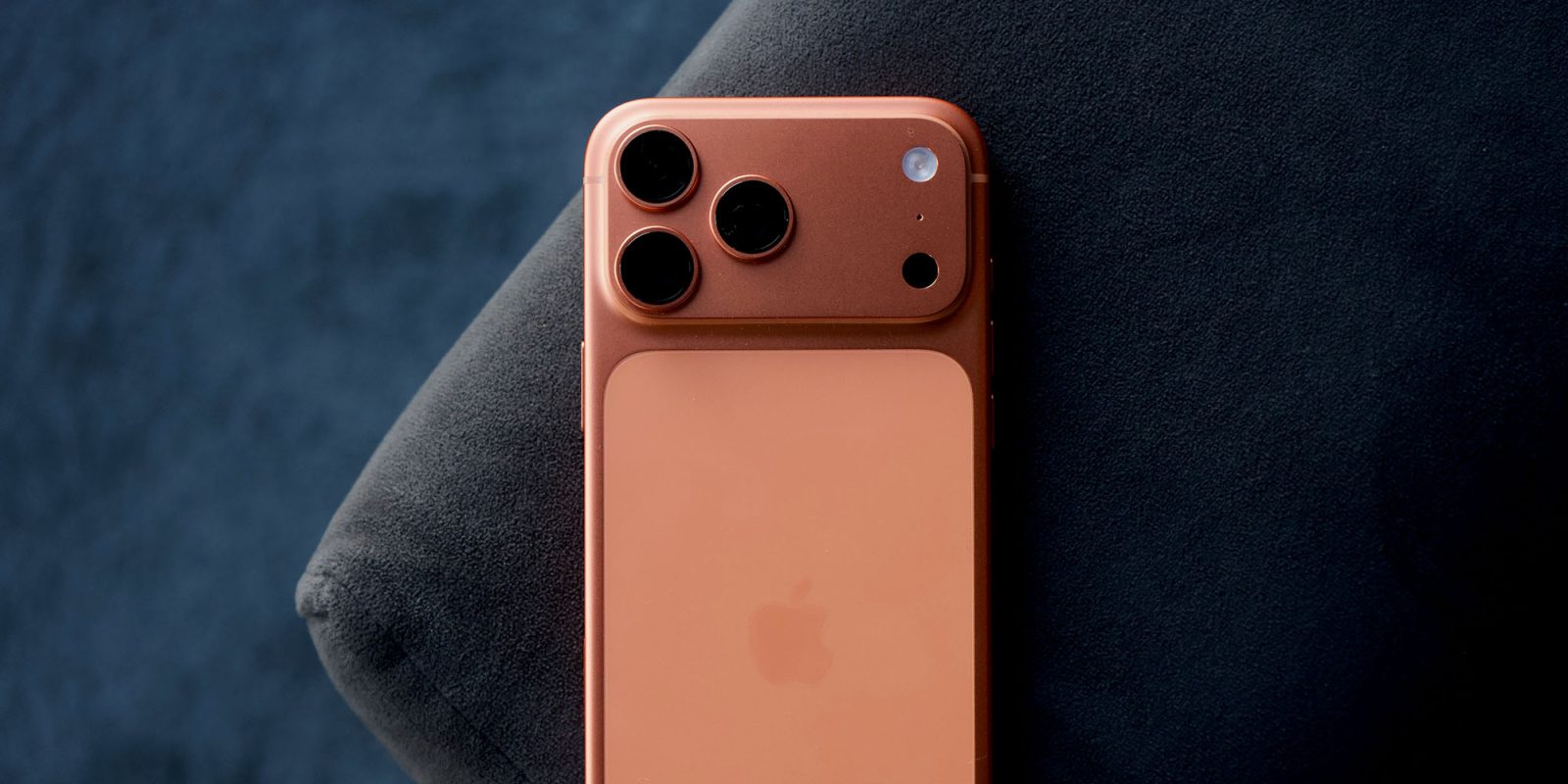
OpenAI is reportedly developing a groundbreaking smartphone designed to revolutionize user interaction by replacing traditional apps with advanced AI agents. According to analyst Ming-Chi Kuo, the company is collaborating with semiconductor giants MediaTek and Qualcomm to create custom processors tailored for this innovative device. Luxshare has been identified as the exclusive partner for system co-design and manufacturing, with mass production anticipated to commence in 2028.
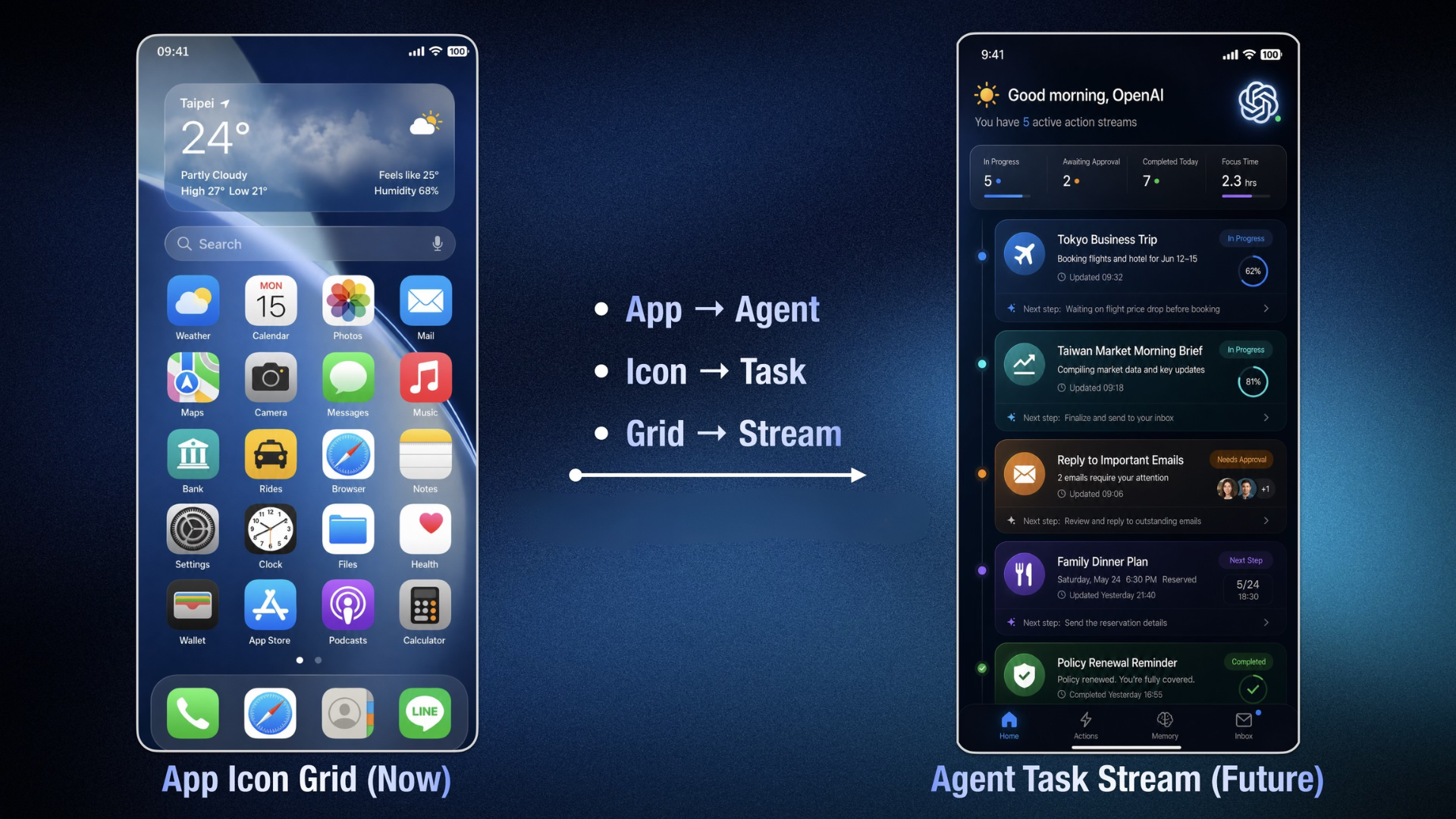
This strategic move underscores OpenAI’s ambition to integrate AI deeply into the smartphone experience, moving beyond the conventional app-centric model. By developing proprietary hardware and software, OpenAI aims to provide AI agents with real-time access to user contexts, such as location, activities, and daily routines. This integration is expected to enable the device to perform tasks proactively, enhancing user convenience and efficiency.
The custom processors are being designed with a focus on optimizing power consumption, managing memory hierarchy, and executing lightweight AI models locally. This approach ensures that essential AI functions can operate efficiently on the device without excessive battery drain. For more complex AI tasks, the device will leverage cloud computing resources, balancing performance with energy efficiency.
The envisioned AI Agent phone represents a paradigm shift in smartphone functionality. Instead of relying on users to open and navigate through various apps, the device will interpret user requests and autonomously perform actions across multiple services. This transformation positions the smartphone as an intelligent assistant capable of understanding and fulfilling user needs seamlessly.
Collaborating with MediaTek and Qualcomm, both leaders in mobile technology, provides OpenAI with access to expertise in mobile power management, modem integration, and always-on processing capabilities. Qualcomm’s recent advancements in low-power sensing features are particularly relevant, suggesting that OpenAI’s device will incorporate similar technologies to enhance user experience.
For Luxshare, partnering with OpenAI on this project offers a significant opportunity to establish a foothold in the emerging AI-driven hardware market. Given the competitive landscape dominated by established players like Apple, this collaboration could position Luxshare as a key player in next-generation smartphone manufacturing.
The success of OpenAI’s AI-centric smartphone will ultimately depend on its ability to deliver practical, everyday utility to users. While the 2028 launch timeline provides ample opportunity for development and refinement, it also allows competitors such as Apple, Google, Samsung, and Qualcomm to advance their own AI integrations. The coming years will be crucial in determining whether OpenAI can redefine the smartphone experience and establish a new standard in mobile technology.
In summary, OpenAI’s initiative to develop a smartphone that replaces traditional apps with AI agents signifies a bold step toward redefining user interaction with mobile devices. By focusing on custom hardware and deep AI integration, OpenAI aims to create a device that not only responds to user commands but anticipates and fulfills user needs proactively. As the project progresses toward its anticipated 2028 launch, the tech industry will be watching closely to see how this innovation unfolds and influences the future of smartphones.
OpenAI is developing a smartphone that replaces traditional apps with AI agents, aiming for a 2028 launch. Could this redefine our mobile experience? #OpenAI #AIphone #TechInnovation
OpenAI AI Agent Smartphone
Article X Post:
Hashtags:
Article Key Phrase:
Category: Apple News