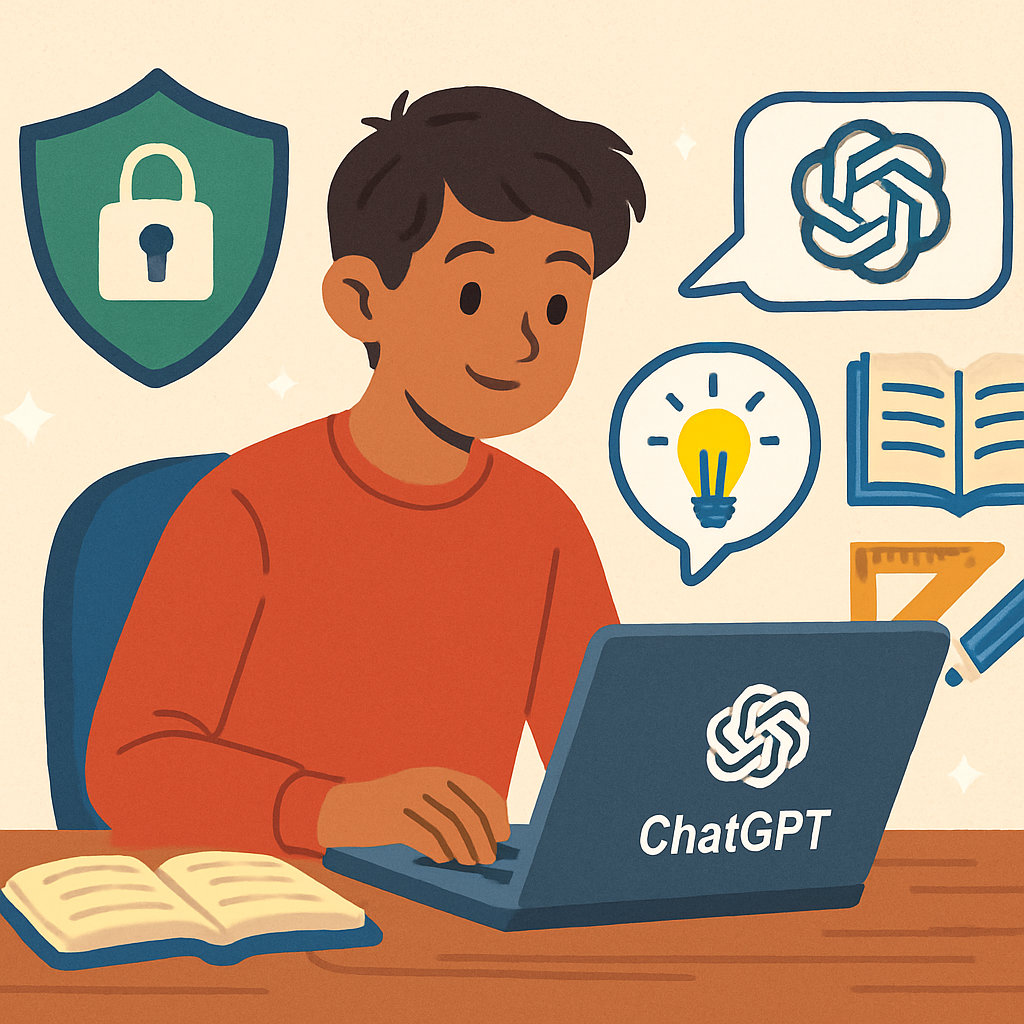
OpenAI has unveiled ChatGPT for Teens, a version of its AI chatbot tailored specifically for users aged 13 to 17. This initiative aims to provide a safer and more educational experience for teenage users, addressing growing concerns about AI interactions among youth.
Key Features and Safeguards
ChatGPT for Teens introduces several features designed to promote healthy AI usage:
- Study Mode: Offers guiding questions and step-by-step support to help teens understand educational material.
- Responsible Homework Reminders: Detects when a user may be attempting to shortcut assignments and redirects them to Study Mode for collaborative problem-solving.
- Quizzes and Learning Visualizations: Provides interactive tools to help teens practice and visualize complex concepts.
- Study Hours: Allows teens or parents to set specific times when Study Mode is active by default, encouraging consistent study habits.
To ensure a safe environment, ChatGPT for Teens includes age-appropriate safeguards that limit exposure to potentially harmful or developmentally inappropriate content. Additionally, parental controls enable guardians to set Quiet Hours, manage settings, and receive safety notifications in high-risk situations.
Addressing Previous Concerns
The launch of ChatGPT for Teens comes in response to increasing scrutiny over AI’s impact on young users. Notably, OpenAI faced legal action following the tragic suicide of a 16-year-old who had extensive interactions with ChatGPT. This incident underscored the need for enhanced safety measures and responsible AI usage among teenagers.
By implementing these features and safeguards, OpenAI aims to foster a constructive and secure environment for teens to engage with AI technology. This development reflects a broader industry trend towards creating age-appropriate digital experiences that prioritize user safety and well-being.
As AI becomes increasingly integrated into daily life, initiatives like ChatGPT for Teens highlight the importance of balancing technological advancement with ethical considerations, particularly when it comes to vulnerable user groups.