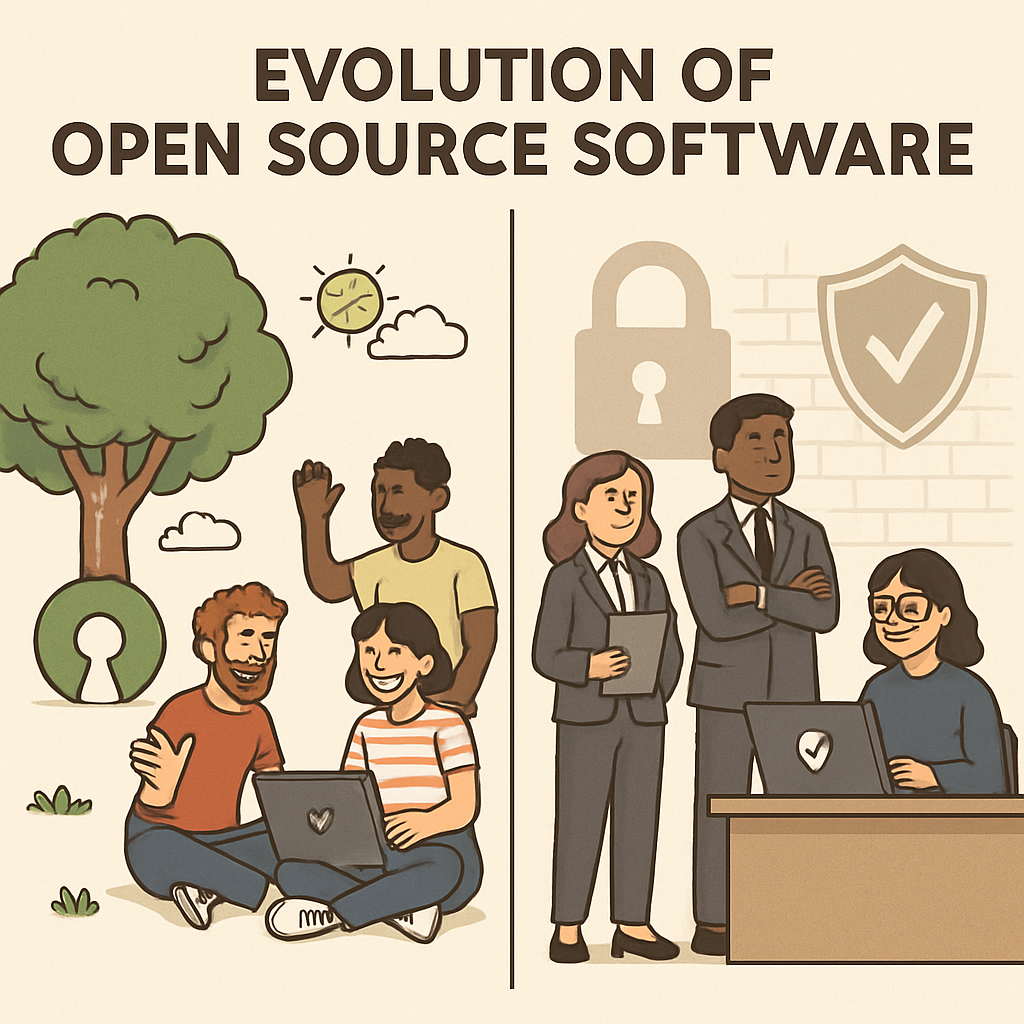
For over two decades, open source software thrived in an environment characterized by freedom and minimal oversight. Developers shared code openly, fostering innovation without stringent regulations. This era allowed for rapid growth and collaboration, with projects often operating on trust and informal agreements.
However, the landscape began to shift around 2020. High-profile security incidents such as the SolarWinds attack and the Log4Shell vulnerability exposed significant weaknesses in the software supply chain. These events underscored the reality that open source components are integral to critical systems, handling sensitive data and operations. Consequently, governments and regulatory bodies introduced new rules and compliance requirements, signaling a move towards greater accountability in software development.
The Dual Fronts of Security Threats
Open source now confronts two primary security challenges. First, advanced artificial intelligence models are capable of identifying complex, chained zero-day vulnerabilities at an unprecedented pace, outstripping the ability of human teams to address them promptly. Second, the distribution channels for software have become targets for large-scale attacks, with malicious actors compromising repositories to disseminate malware widely. This dual threat necessitates a reevaluation of how open source projects are managed and secured.
Implications for Open Source Projects
In response to these challenges, a bifurcation within the open source community is emerging. On one side are projects that adopt practices aligning with enterprise requirements: regular maintenance, prompt security patches, clear accountability, and adherence to compliance standards. These projects are likely to be favored by organizations operating in regulated industries, as they can demonstrate reliability and security.
On the other side are projects that, for various reasons, do not meet these enterprise standards. While they continue to operate under open source licenses and contribute to the ecosystem, their adoption by enterprises may decline due to concerns over security and compliance. This division highlights the need for projects to assess their goals and the expectations of their user base.
Notably, advocates of the Free Software movement have long emphasized the importance of software freedom and user rights. Their consistent focus on these principles serves as a reminder of the foundational values of the open source community, even as it navigates new challenges.
As open source projects mature, they must balance the ideals of openness and collaboration with the practical demands of security and compliance. This evolution is crucial to maintaining trust and ensuring the continued success of open source in an increasingly complex digital landscape.