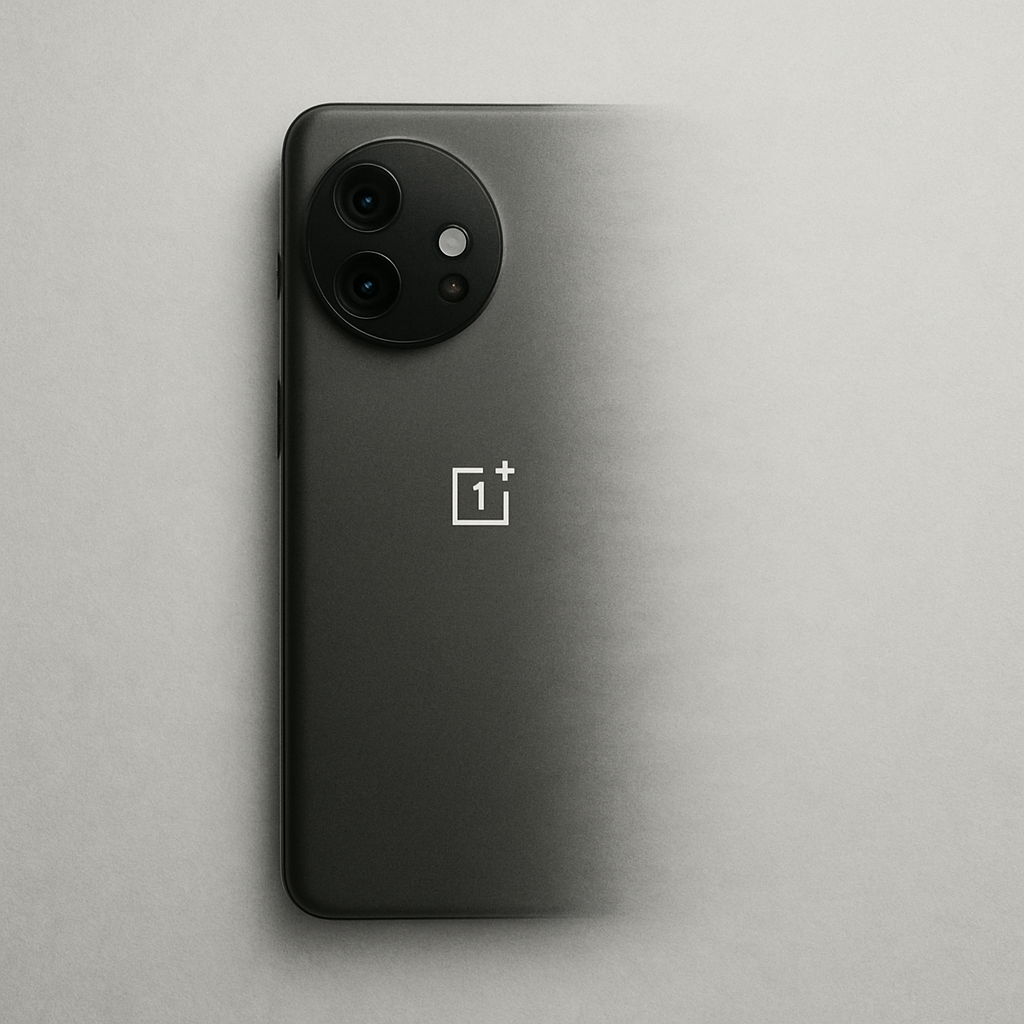
In 2014, OnePlus made a significant impact on the smartphone market with the launch of the OnePlus One. Priced at $299, this device, dubbed the “flagship killer,” offered high-end features at a fraction of the cost, attracting a dedicated fanbase and generating considerable buzz.
Over the years, OnePlus maintained its competitive edge by offering performance-driven devices at lower prices. A notable milestone was in 2018 when the company partnered with T-Mobile to sell the OnePlus 6T in U.S. stores, enhancing its visibility and market presence.
However, by 2020, rising component costs and internal financial pressures led OnePlus to increase its device prices, challenging its value-oriented market position. The departure of co-founder and CMO Carl Pei, who went on to establish the tech company Nothing, further impacted the brand. Additionally, the integration of OnePlus’s OxygenOS with OPPO’s ColorOS received mixed reactions from users.
Despite releasing several well-received devices in recent years, OnePlus has experienced a significant decline in market share in the U.S. and Europe. Internal strategies have increasingly focused on supporting parent company OPPO’s growth, sometimes at the expense of OnePlus’s brand identity.
As OnePlus approaches its twelfth anniversary, the company’s future appears uncertain. While it once stood as a disruptor in the smartphone industry, current challenges raise questions about its ability to maintain relevance in a rapidly evolving market.
The trajectory of OnePlus underscores the difficulties faced by tech companies in balancing innovation, pricing strategies, and brand identity. As the smartphone market continues to evolve, OnePlus’s experience serves as a case study in the importance of adaptability and clear strategic direction.