As the demand for artificial intelligence (AI) computing power escalates, data centers are increasingly turning to liquid cooling systems to manage the substantial heat generated by high-performance GPUs. These systems typically use a blend of water and antibacterial agents to prevent microbial growth. However, adjusting the mixture to include more water for better heat absorption can inadvertently promote bacterial contamination, leading to blockages and necessitating system flushes. Such maintenance can result in significant downtime, potentially costing millions in lost operations.
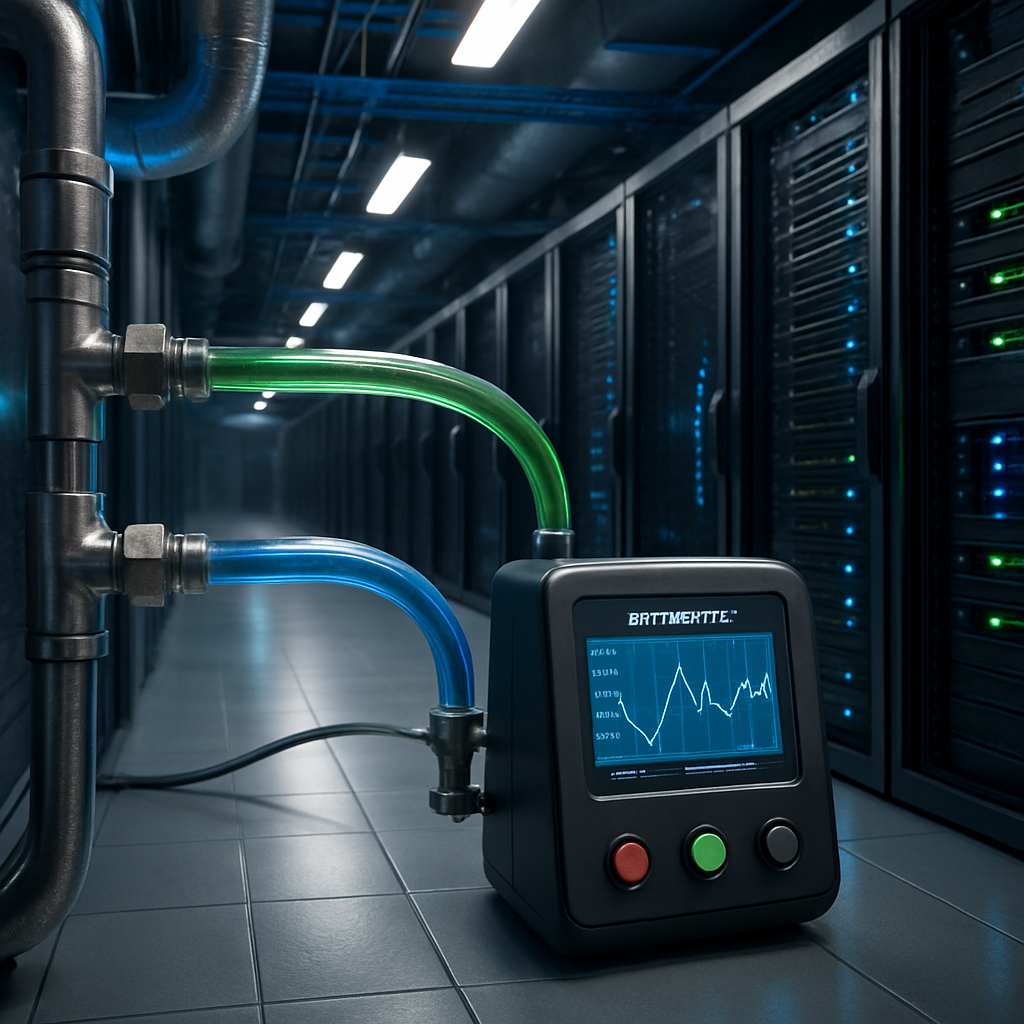
Addressing this critical issue, Omen AI has developed a compact spectrometer capable of real-time monitoring of the cooling fluid’s condition. This device detects early signs of bacterial proliferation, allowing data center operators to take proactive measures before minor issues escalate into major disruptions. By providing continuous chemical insights, Omen AI’s technology aims to minimize unplanned outages and maintain optimal system performance.
In a significant financial milestone, Omen AI has secured a $31 million Series A funding round. The investment was led by Nava Ventures, with contributions from CRV, Vanderbilt University, Mann+Hummel, Starhill Holdings, Hard Launch Capital, and individual investors from prominent companies such as Bridgestone, General Motors, Johnson Controls, and TensorWave. This funding underscores the industry’s recognition of the importance of innovative solutions in data center management.
Omen AI’s journey began in 2024 under the leadership of founder and CEO Zach Laberge. Prior to this venture, Laberge had already demonstrated entrepreneurial acumen by establishing a company at the age of 14, focusing on installing sensors in construction equipment. Although that initial startup concluded, the experience laid the groundwork for Omen AI’s inception. The company’s initial focus was on enhancing the maintenance of construction machinery through real-time fluid system monitoring, eliminating the delays associated with laboratory sample analysis. The technology not only identified bacterial growth but also detected wear in pumps and seals by analyzing the presence of specific elements like copper, chromium, and silicon.
The transition to data center applications was a natural progression. Early collaborations with Caterpillar dealerships, which supply gas-powered turbines and generators for on-site power in data centers, revealed a broader need for fluid monitoring solutions within these facilities. Recognizing the potential, Omen AI expanded its focus to include data centers, addressing the complexities of their extensive fluid systems, from HVAC to chip cooling.
Omen AI’s innovative approach has garnered attention and respect within the industry. Cory Rellas, a partner at Nava Ventures and a member of Omen’s board, highlighted the unique position of the company, noting the rare combination of a young founder earning the trust of established corporations in a traditionally slow-moving sector. The validation from large customers further reinforces the efficacy and necessity of Omen AI’s solutions.
Currently, Omen AI is collaborating with a dozen data center clients to refine and implement their monitoring technology. Among these partners is TensorWave, a company specializing in AI compute cloud services utilizing AMD chips. TensorWave’s president, Piotr Tomasik, emphasized the critical nature of fluid management in large-scale systems and expressed confidence in Omen AI’s vision for enhanced infrastructure monitoring to support computing customers effectively.
While traditional methods involve sending fluid samples to laboratories for analysis, Omen AI is not alone in seeking on-site analytical solutions. Established water-monitoring firm Pyxis recently introduced a data center coolant monitoring product, indicating a growing recognition of the need for immediate and continuous fluid analysis within the industry.
The advancements enabling Omen AI’s technology stem from recent improvements in optical technologies and signal processing software. These developments have made hardware more affordable and scalable, while enhanced signal processing capabilities allow for more accurate interpretation of data, reducing noise and improving reliability.
In the broader context, the increasing reliance on liquid cooling systems in data centers reflects a shift towards more efficient thermal management strategies. Companies like Submer have raised substantial funding to develop immersion cooling technologies, where entire server racks operate submerged in specialized coolants. Similarly, Nexalus has introduced methods for liquid-cooling data centers that repurpose waste heat for other applications, highlighting a trend towards sustainable and efficient cooling solutions.
Omen AI’s real-time monitoring technology represents a significant advancement in data center management. By providing continuous insights into the health of cooling fluids, it enables operators to preemptively address issues, thereby reducing downtime and associated costs. As data centers continue to evolve to meet the demands of AI workloads, such innovations will be crucial in maintaining operational efficiency and reliability.