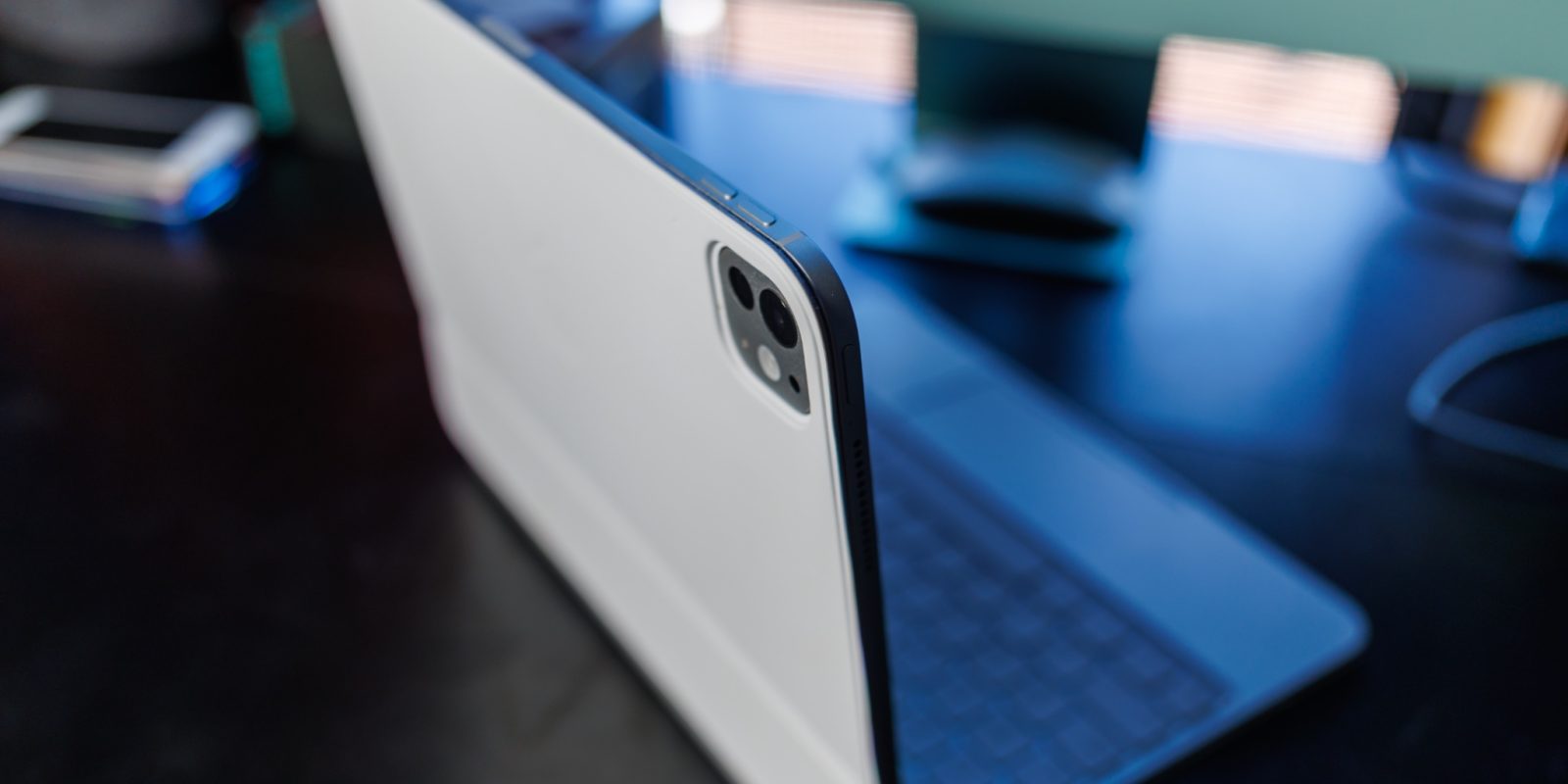
Apple appears set to accelerate the decline of mini-LED laptop displays as it prepares to launch OLED MacBook Pro models. According to Counterpoint Research, shipments of mini-LED panels for notebooks are expected to plunge 38% in 2026 and another 60% in 2027 versus 2025 levels. Over that period, annual mini-LED shipments are forecast to fall to just about one-quarter of what they were in 2025. Meanwhile OLED panels are set to surge, with shipments rising 50% this year and 24% in 2027—resulting in an overall OLED growth of about 86% across two years. These stats come even as the total notebook display market contracts by 3% in 2026.
What’s driving the switch to OLED
Manufacturers are increasingly attracted to OLED thanks to its thinner profile, superior image quality, and improving cost competitiveness, helped by advances like tandem OLED designs and larger-scale production facilities. These newer technologies are helping to reduce previous drawbacks of OLED—such as brightness, longevity, and cost. Counterpoint points out that premium demand, notably the upcoming OLED MacBook Pro models and a wave of AI-focused laptops, will fuel the demand for OLED panels.
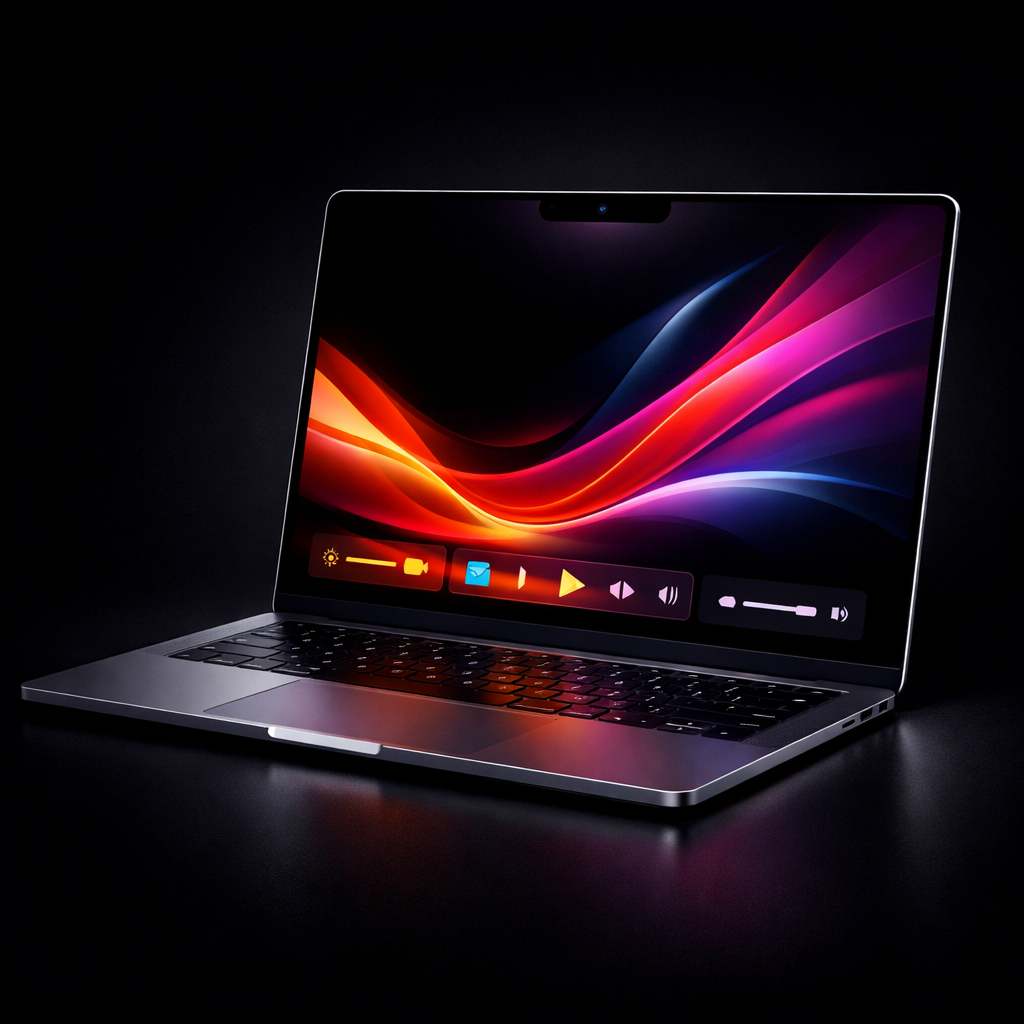
Apple’s new OLED MacBook Pro models are expected to include several firsts. The upcoming 14-inch and 16-inch models are reportedly going to sport OLED touch displays supplied exclusively by Samsung Display, built on its Asan, South Korea, 8.6-generation OLED line. This display change also brings touch input to the MacBook Pro line for the first time. Another notable shift is the abandonment of the notch in favor of a Dynamic Island design. Apple is also believed to be making these laptops significantly lighter.
Pricing, timing, and the phased transition
The OLED versions are expected to launch at Apple’s “Pro and Tell” event on October 28, 2026, in Los Angeles. At least at first, mini-LED MacBook Pro models will continue to be sold in parallel, giving buyers a less expensive option during the transition. However, the OLED models are likely to take over the premium end of the lineup eventually, with current mini-LED models being phased out.
Due to the higher cost of OLED panels and added features like touch input and updated chassis, starting prices for OLED MacBook Pro units are expected to be up to $500 higher than their current counterparts. Existing base prices for 14-inch and 16-inch MacBook Pro models are $2,499 and $2,999 respectively, meaning OLED versions could start around $2,800–$3,000 or more.
Rumors indicate that Apple will continue using its existing M5 Pro and M5 Max chips in these OLED models rather than introducing new processors just yet, despite the display and input upgrades. A lower-end MacBook Pro with an M6 chip is also expected to be announced alongside, but without the OLED display.
This changes the landscape for display technologies in premium laptops: mini-LED, once a cutting-edge upgrade over LCD, may soon be viewed as transitional. For users, the biggest visible shifts will be deeper blacks, higher contrast, lighter design, and (finally) touch input on a Mac.
What this means: Apple is using OLED to sharpen its premium positioning in MacBooks, leveraging OLED’s visual and design advantages. Mini-LED’s decline reflects broader industry trends—manufacturers scaling up OLED production, AI-training demand for higher-end screens, and consumer expectations rising for thinner, more feature-rich displays. The coming MacBook Pro launch isn’t just a product update—it’s a signal that OLED has won the war for premium laptop screens. Users should pay attention to price vs value: OLED brings visual and design upgrades, but whether it’s worth the extra cost depends on how much the enhancements matter in daily use—and what trade-offs (battery, burn-in risk) Apple has managed. Watch closely how fast mini-LED models disappear and whether Apple introduces OLED across the rest of its Mac lineup or keeps it a high-end differentiator for now.