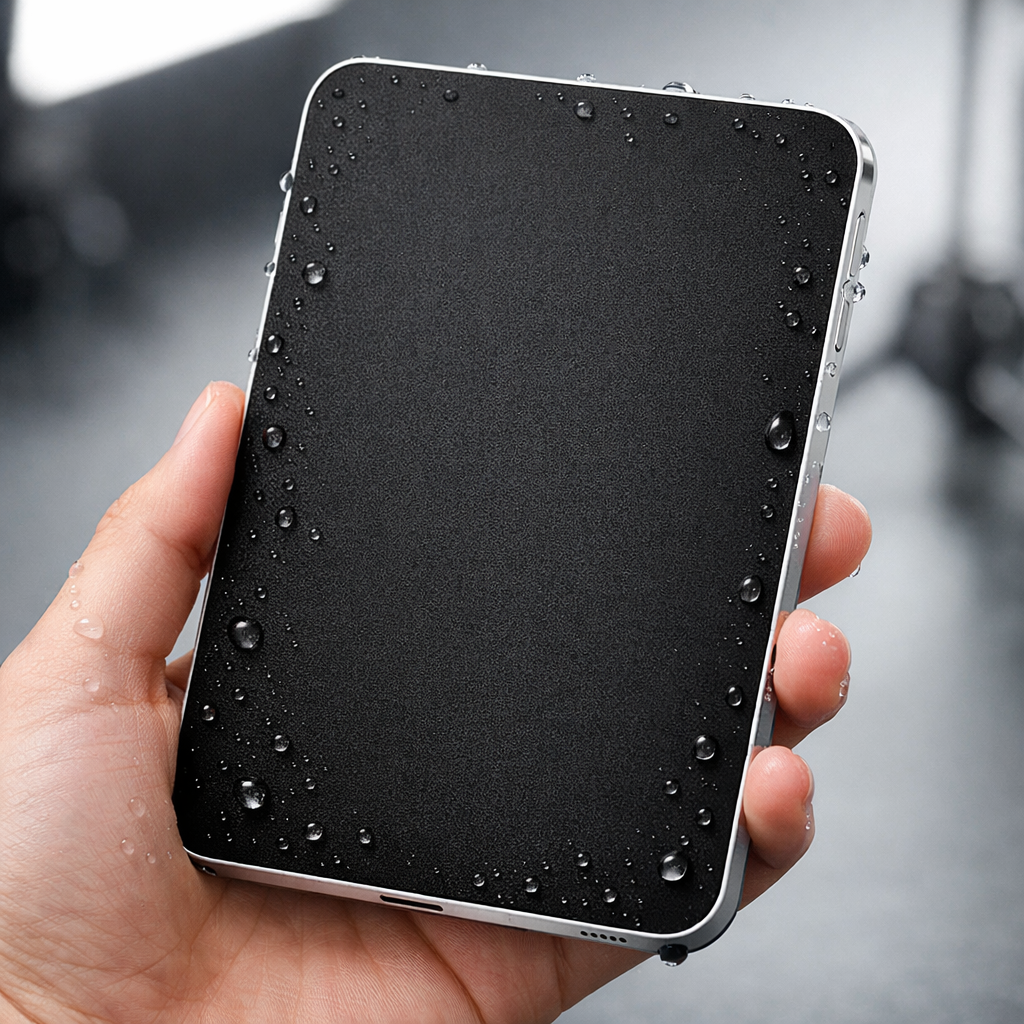
Apple’s new OLED iPad mini lands this Friday, ushering in the biggest refresh to the mini line in 14 years. At 5.4 mm thick and weighing just 255 grams—it’s lighter than its predecessor by nearly 40 grams—this model is the lightest iPad ever made, placing a premium on portability without sacrificing core functionality. Touch IDremains part of the design, set within this thinner frame.
Display and Design: Pro-Level Screen in a Tiny Package
For the first time in the mini lineup, Apple has brought OLED to the screen, delivering deeper blacks, vibrant color, excellent contrast, and even higher peak brightness. While the display grew to 8.5 inches—up slightly from 8.3 inches—overall dimensions haven’t changed much thanks to thinner bezels. However, it lacks the high-refresh-rate ProMotion display found on iPad Pro models, remaining locked at 60Hz.
For users facing bright glare or reflective surfaces, Apple is now offering nano-texture glass on higher-end models. This is the first time this premium display finish is available in an iPad mini, improving visibility in harsh lighting.
Hardware, Performance, and Features
Inside the device lies the A20 Pro chip, the same silicon powering the iPhone 18 Pro. Entry models (128GB and 256GB) use a version of that chip with a 5-core CPU and 7-core GPU, while the 512GB model includes a 6-core CPU backbone, though graphics remain consistent across storage tiers. This translates to excellent performance for multitasking, gaming, and emerging AI-augmented use cases.
The unit also brings 12GB of RAM—on par with base iPad Pro models—enabling smoother handling of demanding tasks. Battery life remains roughly 10 hours for web and video use, as with earlier minis, and fast charging allows users to reach 50% in 30 minutes when using a 35W+ power adapter.
Audio, Camera, and Connectivity Upgrades
One of the more substantial changes is in the audio system. Apple has eliminated conventional speaker holes in favor of a sealed “Acoustic Display,” where tweeters and woofers are built under and behind the glass—designs that deliver clearer highs and deeper bass. Microphones have also seen improvement, enhancing call and recordings quality.
The front-facing camera moves to the long (landscape) edge, now centered for video calls, and is equipped with Apple’s 12MP Center Stage setup. The rear sensor delivers 12MP wide shots and 4K video capture. Wireless connectivity gets a boost with Wi-Fi 7 and Bluetooth 6 thanks to Apple’s N1 chip; cellular +5G models include the C2 chip supporting sub–6GHz bands. USB-C functionality includes support for 4K displays and extended screen modes in iPadOS 27. Apple Pencil and Pencil Pro compatibility are maintained.
Durability, Pricing, and Variants
This is the first iPad mini to earn IP67 water and dust resistance—meaning it survives full immersion up to one meter for 30 minutes. Ideal for occasional exposure to water or dust, though not for underwater photography. Construction includes a redesigned acoustic enclosure without visible speaker grilles.
Available colors are limited to midnight and starlight, avoiding the more vibrant hues seen in some past models. Storage configurations span from 128GB to 512GB, with Wi-Fi only and cellular +5G options. The base price is $699 for 128GB, which reflects a $100 increase over the previous model’s launch price. Pre-orders are open now, with units poised to begin shipping and showing up in stores on November 6.
If you’re upgrading from an iPad mini 6 or older—or use the tablet routinely—this model delivers meaningful enhancements: OLED brilliance, a lighter design, tougher build, and modern chip underpinnings. For those with Pro-level models, missing features like 120Hz refresh may feel like a concession, but the trade-offs are small in exchange for gains in display quality and portability. It’s a strong argument for anyone who values a truly pocketable but capable iPad.
What This Means: Apple’s OLED iPad mini isn’t just a refresh—it transforms what users can expect from a small tablet. It rivals features once exclusive to the Pro line without stepping into full size. Observing how it performs in long-term use—especially concerning durability and display uniformity—will be crucial. Also worth watching are accessories and whether developers optimize apps for its form factor and performance. The spillover of OLED across Apple’s lineup is uneven so far; the mini may be the tipping point for broader adoption.