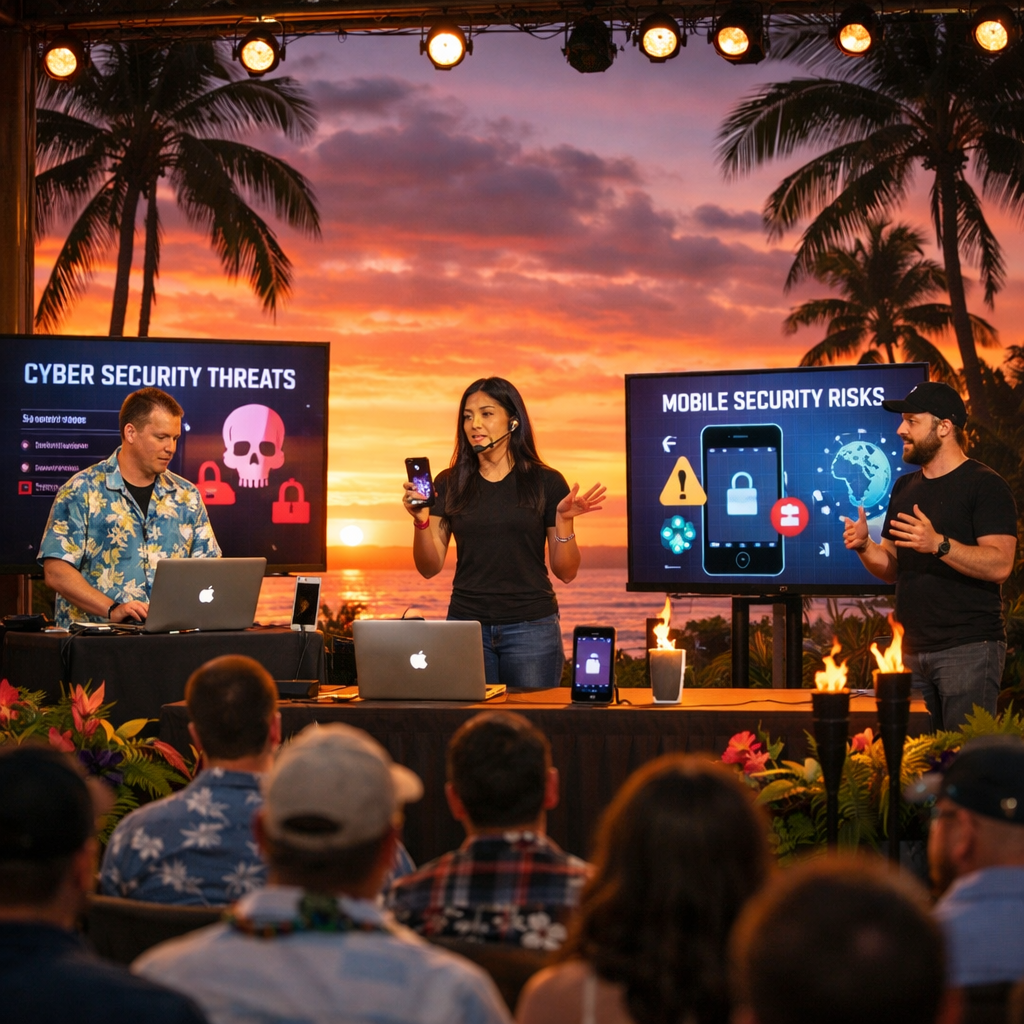
This week, Hawaii hosts one of the tech world’s most anticipated gatherings: Objective by the Sea (OBTS), widely regarded as the largest conference focusing exclusively on Apple security. Now in its ninth year, the event is organized by Patrick Wardle and the Objective-See Foundation, bringing together top researchers and hackers to share the latest threats, vulnerabilities, and defenses around Apple’s ecosystem.
Prior to the main talks, intensive training sessions are already underway. The official presentations start Wednesday and run through Friday, featuring experts including Csaba Fitzl, Sarah Edwards, Cat Self, and Jaron Bradley. Wardle has hinted at upcoming disclosures involving AI agent vulnerabilities, following his Meta Muse zero-day from September.
Why OBTS Matters
Apple products—Macs, iPhones, and more—are must-secure targets, used by billions globally. Conferences like OBTS play a critical role in uncovering new bugs, pushing for stronger protections, and educating the community. Many of the Mac malware and security research stories covered by mainstream outlets today trace back to work first revealed at this very stage.
In addition to sharing research, OBTS serves as a testing ground for Apple’s bug bounty program changes—Wardle recently discussed these updates in detail on a podcast, ahead of the conference kickoff. Security experts will pay close attention to whether researchers’ experiences align with the revamped policies.
Getting the Knowledge—Even If You’re Not in Hawaii
Not everyone can attend OBTS in person. Organizers plan to upload a selection of talks to YouTube, though not every presentation is guaranteed to appear online. The best way to stay informed is to follow Objective-See’s social channels for announcements.
Meanwhile, the tech press and security community will be watching closely, expecting weeks of new findings, especially related to Mac vulnerabilities. Even observers from far colder climates—like Ohio—are gearing up to dissect the research as it emerges.
OBTS isn’t just a gathering of experts—it’s a signal of what’s coming next for Apple security. What researchers reveal here often shapes defenses for millions of users. Over the next few days, expect breakthroughs in AI exploitation, deeper insight into Apple’s security model, and potentially some curveballs from the bug bounty space.
Closing Analysis: OBTS 2026 underscores that Apple’s security frontier is increasingly about AI, trust models, and defining where responsibility lies. With AI agent weaknesses now emerging alongside traditional issues like zero-days, the security landscape is shifting fast. What attendees reveal this week could influence how Apple, developers, and end users think about safety across the entire device ecosystem—watch for implications in privacy policy, OS updates, and threat modeling well into 2027.