NVIDIA’s RTX Spark: A Formidable Challenger to Apple’s M-Series Chips
NVIDIA has unveiled RTX Spark, an innovative Arm-based processor poised to revolutionize the consumer PC market. Designed for sleek Windows laptops, compact desktops, and catering to creators, AI developers, and gamers, RTX Spark offers robust local AI capabilities, reducing dependence on cloud services.
Touted as the most efficient PC chip ever built, RTX Spark directly competes with Apple’s M-series processors, particularly the forthcoming M5, which is anticipated to set new standards for on-device AI performance in laptops.
RTX Spark: Engineered for On-Device AI
At its core, RTX Spark integrates a Blackwell RTX GPU with a 20-core Grace CPU, supports up to 128GB of unified memory, and delivers an impressive 1 petaflop of AI performance. This configuration empowers Windows PCs to efficiently run extensive AI models and personal agents locally.
NVIDIA CEO Jensen Huang encapsulated this paradigm shift, stating, For forty years, you launched apps. Click. Type. With RTX Spark and Microsoft Windows, you ask, and the PC does the work. This vision positions RTX Spark-powered PCs as personal AI assistants capable of seamlessly navigating applications, retrieving files, generating media, and executing creative tasks without external dependencies.
Empowering Creators and Gamers
RTX Spark is tailored to meet the demands of both creative professionals and gaming enthusiasts. It supports handling 90GB 3D scenes, editing 12K 4:2:2 video, processing 120-billion-parameter language models with 1 million tokens of context, and delivering AAA gaming experiences at 1440p resolution exceeding 100 frames per second, complete with ray tracing, DLSS, and Reflex technologies.
Adobe is collaborating with NVIDIA to optimize Photoshop and Premiere for RTX Spark, promising up to twice the speed in AI-driven tasks, editing, color grading, and effects, thereby enhancing creative workflows.
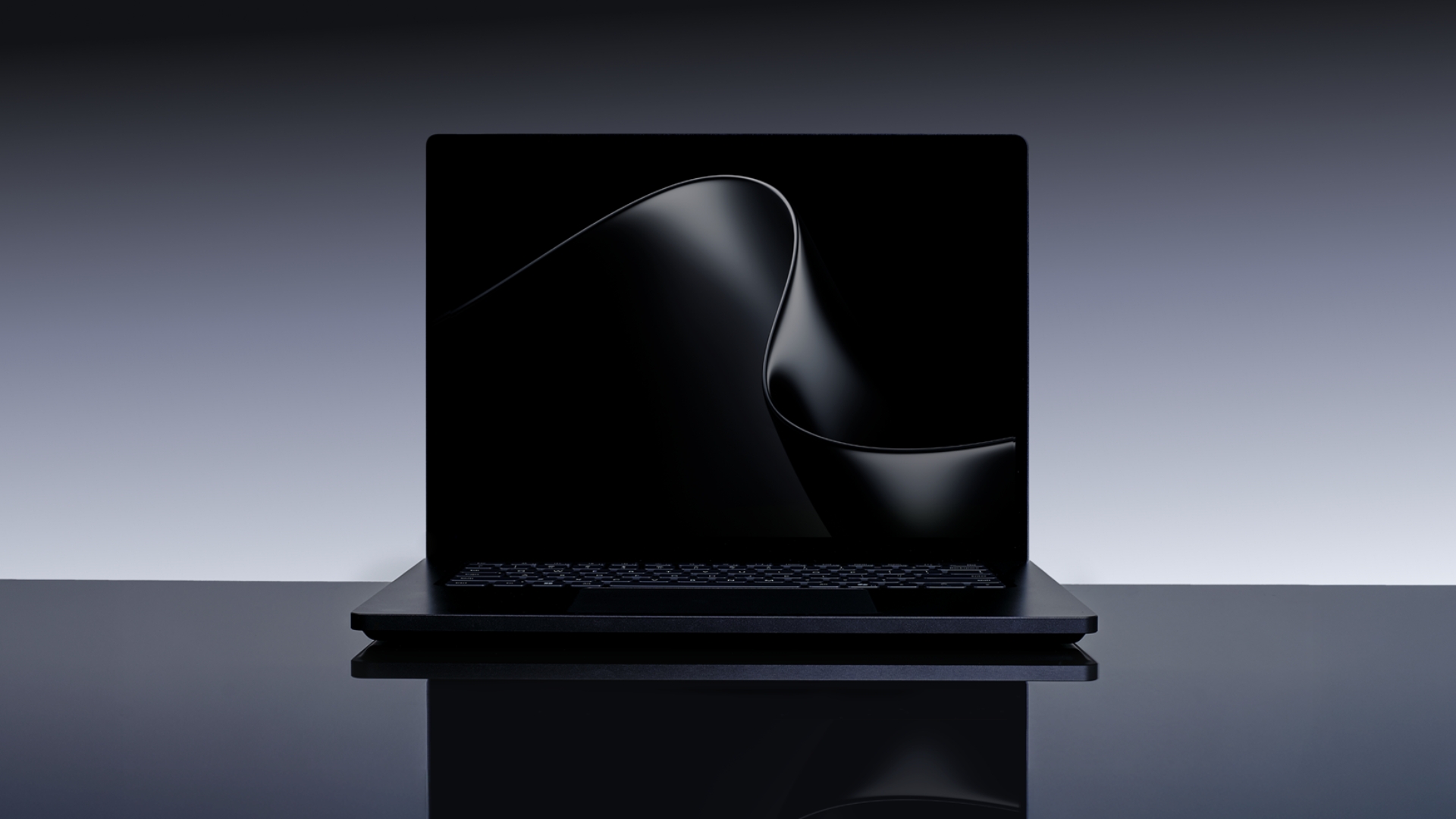
Leading manufacturers, including Microsoft with its Surface Laptop Ultra, as well as ASUS, Dell, HP, Lenovo, and MSI, are preparing to launch laptops and compact desktops equipped with RTX Spark. While pricing details remain undisclosed, NVIDIA’s strategic focus is clear: to introduce premium Windows PCs that rival Apple’s dominance in efficient, AI-ready laptop processors.
Apple’s M-Series: A Benchmark in Performance
Apple’s M-series chips have set high standards in the industry. The M5 chip, for instance, features a 10-core CPU (4 performance and 6 efficiency cores), a 10-core GPU, supports up to 32GB of unified memory, and is built on a third-generation 3nm process. It boasts a 16-core Neural Engine and offers four times the AI GPU performance with 45% faster graphics compared to its predecessors. These specifications have made Apple’s M-series a formidable force in the market.
NVIDIA’s Strategic Positioning
NVIDIA’s entry into the consumer PC chip market with RTX Spark signifies a strategic move to capture a share of the premium segment currently dominated by Apple’s M-series. By offering a processor that excels in efficiency and AI capabilities, NVIDIA aims to attract users seeking high-performance computing solutions.
The collaboration with major PC manufacturers to integrate RTX Spark into upcoming devices indicates a concerted effort to establish a strong foothold in the market. This initiative not only challenges Apple’s dominance but also provides consumers with more choices in the high-performance computing landscape.
Implications for the Industry
The introduction of RTX Spark is poised to intensify competition in the processor market, particularly in the realm of AI performance and efficiency. As NVIDIA and Apple continue to innovate, consumers can anticipate advancements that push the boundaries of what’s possible in personal computing.
Moreover, NVIDIA’s move underscores the growing importance of AI capabilities in consumer devices. As AI becomes increasingly integrated into daily computing tasks, the demand for processors that can handle complex models locally is expected to rise, influencing future developments in the industry.
Conclusion
NVIDIA’s RTX Spark emerges as a significant contender against Apple’s M-series chips, offering a blend of efficiency and powerful AI capabilities tailored for modern computing needs. As the tech landscape evolves, this competition is likely to drive further innovation, ultimately benefiting consumers with more advanced and versatile computing options.