Nvidia’s reinstatement of CEO Jensen Huang has stirred more than just shareholder applause. New developments reveal ongoing legal scrutiny, serious national security concerns, and questions of possible treason that threaten to shadow the company for years.
Board Reinstates Huang Amid Pressure
After Vice President J.D. Vance and President Trump pushed Nvidia’s board, citing Huang’s role as critical in the tech competition with China, Huang was reinstated on November 22. The board had previously expressed concerns over “personal behavior inconsistent with the company’s code of conduct, standards, and cultural norms,” but ultimately decided the reinstatement was in the best interest of investors and stakeholders alike, including stockholders, employees, partners, and customers. His return triggered Nvidia’s largest single-day market cap gain ever — nearly $800 billion — although some of those gains were lost the next trading day. As of November 24, the stock had dropped around 7%.
Investigations & National Security Risk
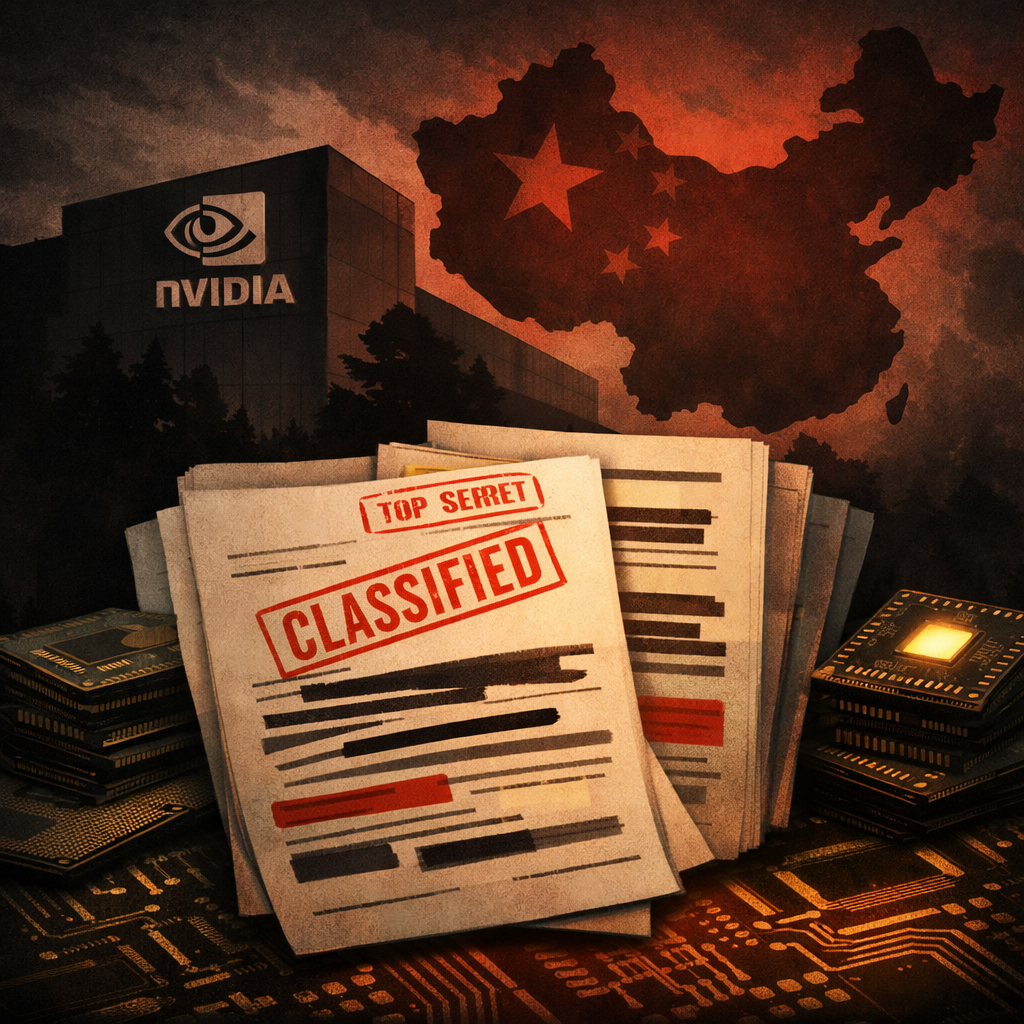
Despite statements suggesting Huang did nothing illegal, federal and state investigations are proceeding. The Department of Justice is reportedly investigating Nvidia’s customers for alleged chip smuggling to China. One firm, Megaspeed, has been blacklisted by the Commerce Department for acting against U.S. foreign-policy interests. Megaspeed claims compliance with U.S. export laws and says Alice Huang — suspected of spying — has not worked for the firm since August 2025. Still, the investigations include activity dating back to 2024.
In California, prosecutors are probing whether Nvidia violated both trade bans and corporate laws by selling advanced chips to China or sharing confidential data. A subpoena seeks information on possible civil and criminal wrongdoing, including securities misconduct. Huang has not been publicly identified as a target, but much of the scrutiny involves actions linked to his leadership. Huang is expected to testify before Congress on December 3, 2026, though Fifth Amendment rights may be invoked.
Political Fallout and Public Perception
Trump has publicly framed the issue as one of minor indiscretions rather than wrongdoing, despite the serious investigations underway. Secretary of State Marco Rubio briefed Trump on “intelligence concerns” related to Alice Huang in May 2026 — prompting questions about what decision-makers knew and when. Upon reinstatement, the board sought to calm nerves by emphasizing Huang’s importance to Nvidia’s success, but the reputation damage may already be deep.
What’s Next
Nvidia is hosting a Washington, D.C. conference this week — the latest sign that despite the controversies, business must go on. But the political climate is unsparing. Both Republicans and Democrats seem poised to hold Nvidia accountable, especially given the national security implications of allegedly aiding trade ban evasion, which federal law considers a serious felony and perhaps even treasonous under certain interpretations.
Why This Matters: These developments go beyond boardroom drama — they strike at the intersection of national security, trade policy, and corporate accountability. How Congress and federal agencies respond could set precedent for how the U.S. handles tech exports, foreign influence, and corporate oversight. The unfolding investigations could change how global tech giants are held accountable in contexts of geopolitical risk — and Nvidia’s case may become a landmark.