Nvidia’s RTX Spark: Revolutionizing AI PCs with Industry Giants
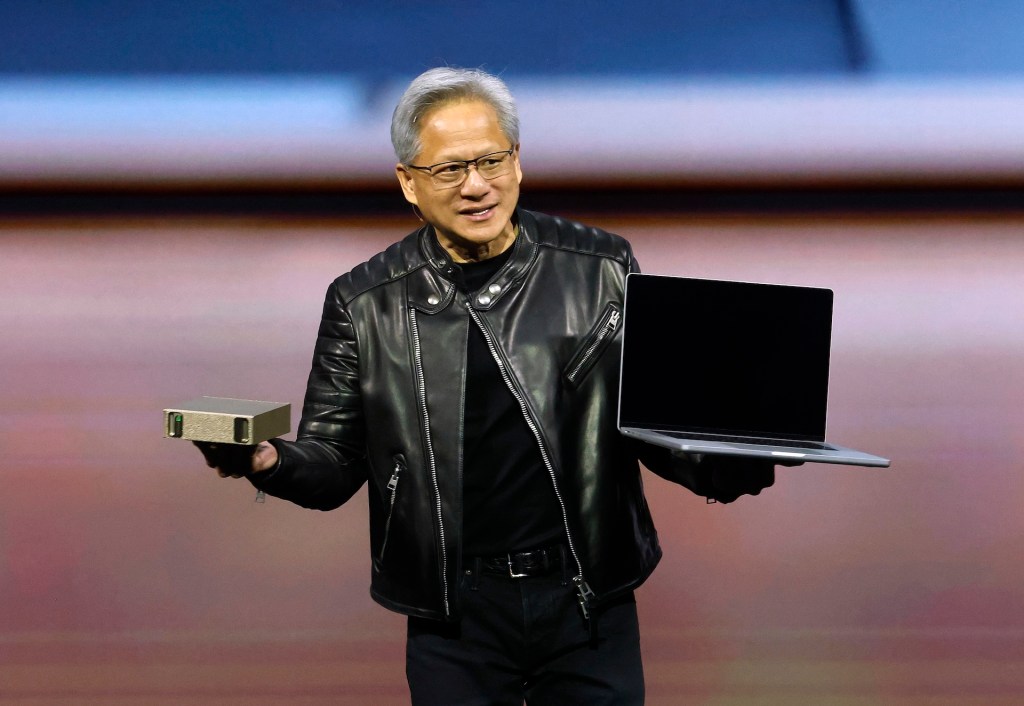
At the recent Computex trade show in Taipei, Nvidia unveiled its latest innovation: the RTX Spark, a high-performance CPU designed to power a new generation of AI-driven personal computers. This superchip is set to be integrated into upcoming AI PCs from leading manufacturers such as ASUS, Dell, HP, Lenovo, Microsoft Surface, and MSI, with additional models from Acer and Gigabyte expected in the near future.
The RTX Spark boasts an impressive processing capability of 1 petaflop, enabling it to efficiently run AI agents like OpenClaw and Hermes Agent. These AI agents are designed to perform complex tasks autonomously, enhancing user productivity and experience. To ensure secure operation, Nvidia has collaborated with Microsoft to develop secure sandboxes within these systems, providing a protected environment for AI processes.
Beyond security, the RTX Spark-equipped PCs are engineered with robust hardware configurations, including advanced CPUs, GPUs, and ample RAM. Coupled with Nvidia’s CUDA software platform, these systems are capable of running large language models locally, reducing reliance on cloud-based services and enhancing performance for AI applications.
Nvidia’s RTX technology is set to deliver significant improvements in AI processing speed, image quality, and support for AI features across a wide array of games and applications. The company reports that over 1,000 games and applications will benefit from these enhancements, marking a substantial upgrade for both content creators and gamers.
The introduction of the RTX Spark aligns with Nvidia CEO Jensen Huang’s vision of transforming user interaction with PCs. Huang envisions a future where traditional methods of launching applications and manual inputs are replaced by intuitive AI-driven processes. He stated, With RTX Spark and Microsoft Windows, you ask — and the PC does the work. Frontier models. Creative workflows. RTX games. All on a laptop.
This strategic move positions Nvidia to tap into the expansive $200 billion CPU market, expanding its portfolio beyond GPUs. The company’s recent success with the high-end server CPU, Vera, which has already achieved $20 billion in sales, underscores Nvidia’s commitment to diversifying its offerings in the AI hardware sector.
Historically, Nvidia’s attempts to penetrate the ARM-based Windows device market faced challenges, notably with the Surface RT in 2013. However, the RTX Spark represents a significant leap in performance and capability. Microsoft has highlighted the power of the RTX Spark by naming its upcoming model the Surface Laptop Ultra, touting it as the most powerful Surface Laptop ever built.
While specific details regarding pricing and configurations of these new AI PCs remain forthcoming, the industry anticipates that they will offer a compelling alternative to existing solutions, potentially rivaling devices like the Mac Mini in both performance and affordability.
In summary, Nvidia’s RTX Spark signifies a transformative step in personal computing, integrating advanced AI capabilities into mainstream PCs. This development not only enhances user experience but also positions Nvidia and its partners at the forefront of the rapidly evolving AI technology landscape.