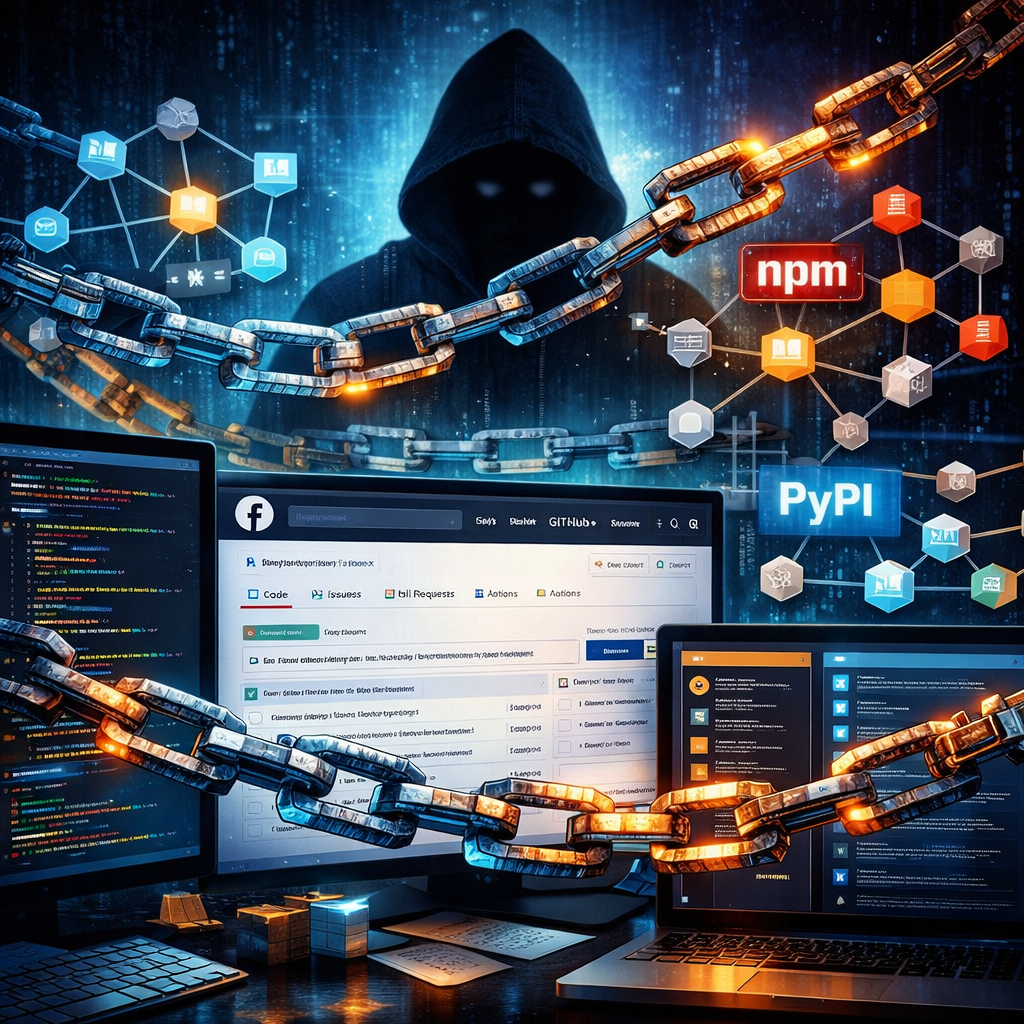
A North Korea–aligned hacker group known as DeceptiveDevelopment has escalated its operations by stealing developer credentials and embedding malware into trusted software supply chains. Between April and September 2026, the group infiltrated both public and private repositories, enabling them to introduce harmful code into a wide range of software packages. Any project affected by this breach could become a point of entry for anyone using it.
From Fake Interviews to Full Supply Chain Compromises
While the group formerly relied on deceptive job offers and coding tests to phish for crypto wallets and login credentials, the new strategy is far more insidious. Developers are lured in with Web3 or conventional fake interview challenges: asked to run code supposedly related to a screening task. Once executed, the malware scours the machine for sensitive artifacts like Git credentials, SSH keys, and access tokens.
After obtaining this access, the attackers commit malicious alterations to the developer’s own repositories. To avoid detection, they often rewrite commit history to conceal unauthorized changes. Meanwhile, the poisoned code spreads through downstream channels—npm, Go module mirrors, Packagist, PyPI, and browser extension marketplaces—often hitting small, single-maintainer projects. These compromised components then serve as infection vectors for anyone pulling from those ecosystems.
Advanced Persistence and Blockchain Backends
The malware stack features two primary tools. One is OmniStealer, a Python-based infostealer that works across major operating systems and targets browser data, crypto wallets, password stores, and other developer secrets. The other is DEV#POPPER, a remote access Trojan in Node.js. Newly noted in its behavior is its persistence: it injects malicious code into everyday tools like VS Code, Cursor, and Discord so that the malware reactivates whenever those apps start.
To make their control infrastructure hard to disrupt, DeceptiveDevelopment now embeds blockchain-based server lookups in their malware. They use a method dubbed NullReceiver in npm packages, which fetches the IP address for the command-and-control server from the recipient address of an empty Ethereum transaction. Because of the blockchain’s immutable public ledger, this allows attackers to change their server address without updating infected code.
The group also uses alternative hosting platforms that are difficult to police—like self-hosted Gitea instances, JSONBin.io, JSONHosting, and Pinata (an IPFS gateway). Once payloads make it onto IPFS or similar services, deleting or disabling accounts often has little practical effect on removing the harmful content.
How Developers Can Mitigate Risk
Security experts recommend several best practices: never execute recruiter-supplied code on primary work devices; regularly rotate Git, SSH, and package publishing keys once compromise is suspected; review recent commit histories for signs of rewriting or unexpected changes; and monitor builds for strange blockchain-related activity or unexplained external communications.
What This Means: This campaign marks a shift from targeting individuals for data or financial gain to weaponizing entire software ecosystems. Small utilities and libraries—often overlooked in security audits—have become trojan horses. Going forward, developers, platform maintainers, and package registries must treat security not as an afterthought but as a floor-to-ceil strategy. What to watch now: transparency in supply chain audits; platform governance over self-hosted services; and how detection systems evolve to flag blockchain-backed command channels before damage spreads.