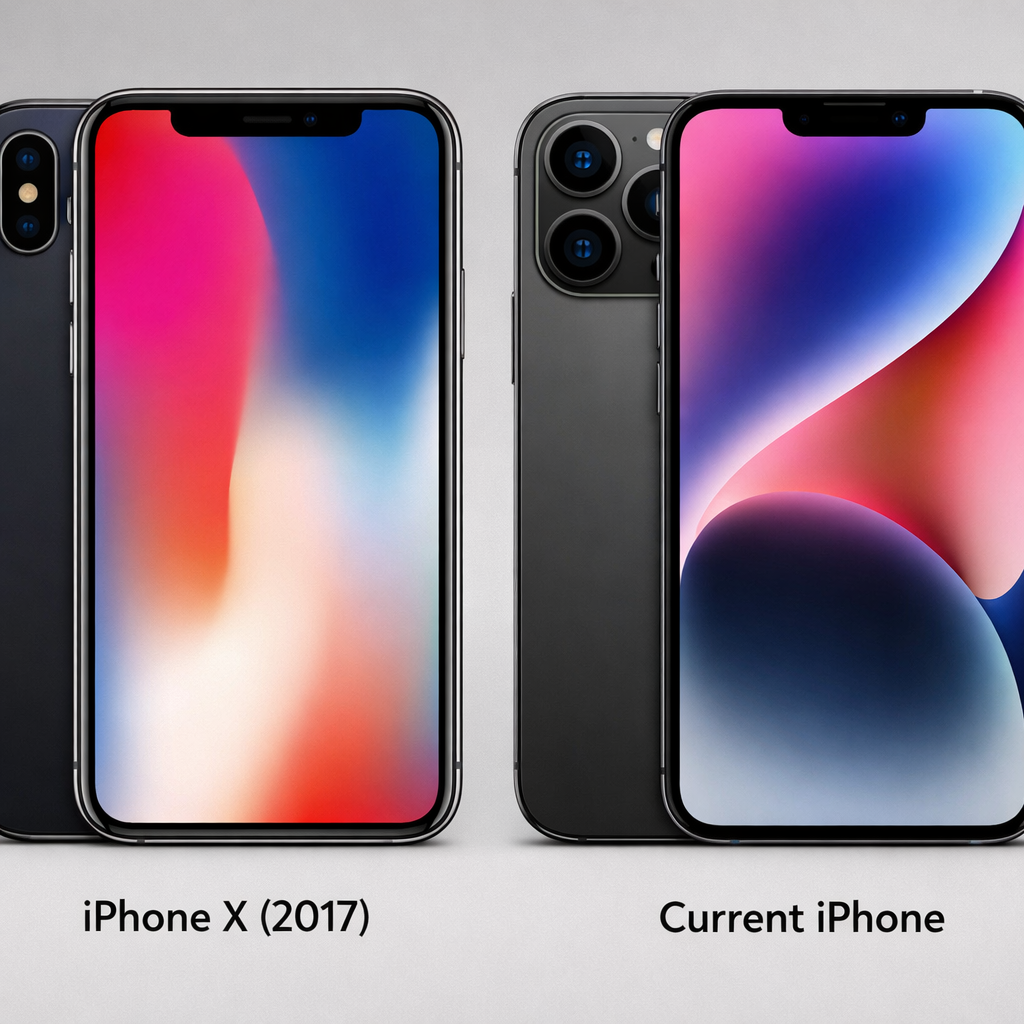
On November 3, 2017, Apple officially launched the iPhone X, a device that inaugurated the company’s modern flagship design and user experience. With its release nine years ago today, the iPhone X introduced a series of innovations that have shaped every high-end Apple phone since. The model featured the first all-screen OLED display from Apple and eliminated the Home button, relying instead on gesture-based navigation and Face ID for security. The cornerstone of these changes was Apple’s TrueDepth camera system, which replaced Touch ID and forever changed how users unlock and interact with their iPhones. Powered by the A11 Bionic chip, the iPhone X also became Apple’s first phone with a $999 starting price, signaling a new tier in its pricing structure.
Officially announced on September 12, 2017, the iPhone X was propelled into Apple’s vintage product category in 2024. Despite its age and classification, certain ideas debuting with the device—such as facial recognition, edge-to-edge display, and full gesture input—continue to dominate flagship phone design. While Touch ID has made a comeback in the latest iPhone Duo model, Apple’s overarching design philosophy remains firmly rooted in what the iPhone X introduced.
Looking ahead, Apple is expected to mark its 20th anniversary as a phone maker with a redesigned anniversary model anticipated in late 2027. This upcoming device may carry forward innovations inspired by or even expanding on what the iPhone X first brought to market.
What the iPhone X really represented was a key moment in Apple’s evolution—from physical buttons toward immersive screens, and from fingerprint sensors toward biometric systems built around facial recognition. It set the standard for what a modern iPhone should be, shifting both hardware layout and user interaction for the future.
In a broader sense, the legacy of the iPhone X is still unfolding. Its influence is felt in every new design decision, price-point strategy, and biometric feature Apple delivers. As the company nears the two-decade mark in 2027, all eyes will be on whether the next milestone device leans further into the changes iPhone X started—or takes a new direction entirely.