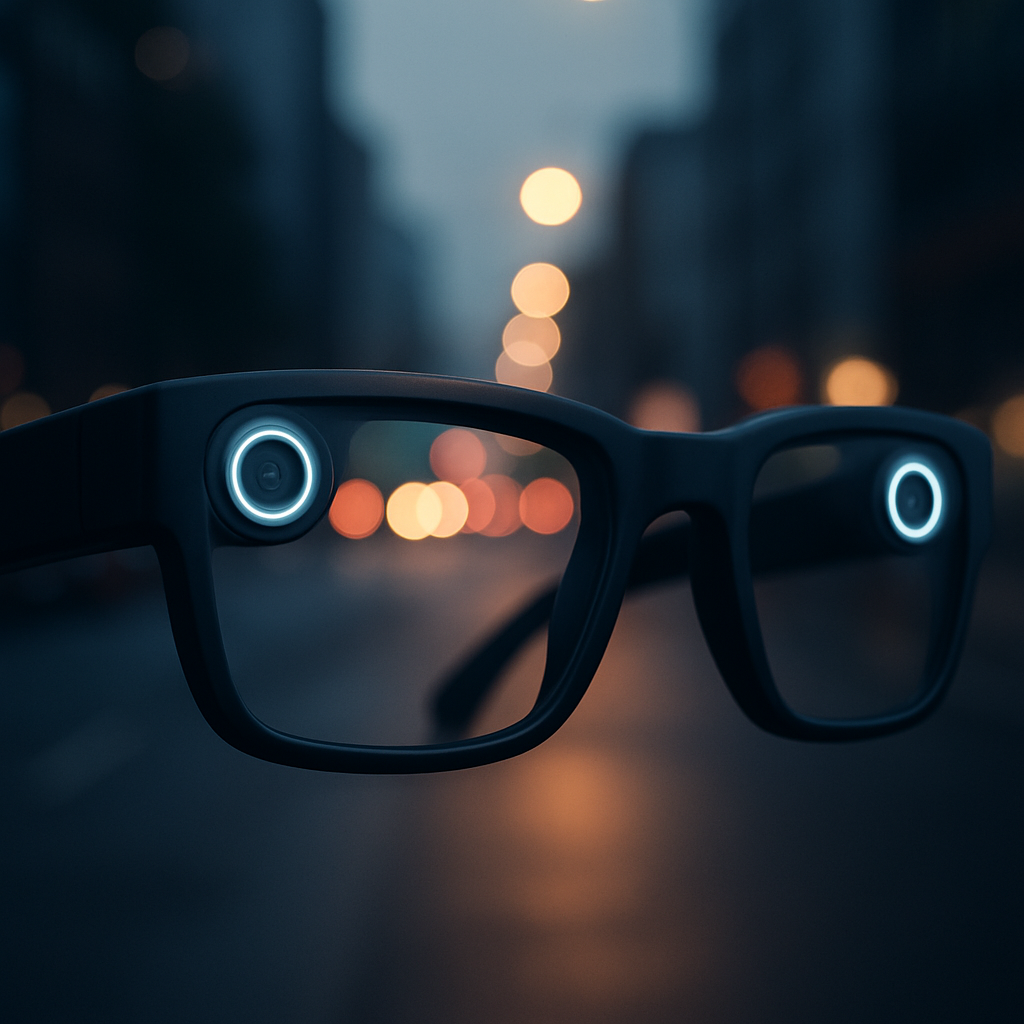
California Governor Gavin Newsom has vetoed Senate Bill 1130, which would have made it illegal to secretly record someone in public using wearable recording devices—often referred to by critics as “pervert glasses.” Newsom’s veto letter, issued October 1, 2026, argues that the bill’s definition of wearable recording technology is too vague and risks causing confusion or unintended legal impacts. He also noted that existing state laws already offer many of the protections the bill aims to establish.
What the bill proposed
The legislation sought to criminalize the use of smart glasses and similar gear that capture audio or video in public without someone’s explicit consent. Under its provisions, violators could face fines or imprisonment, and manufacturers or sellers of non-compliant devices would also be penalized. It aimed to make California the first U.S. state to regulate always-listening wearables in this way—following international discussions about limiting such tech.
Lawmakers introduced the bill amid growing concern over devices that continuously record or listen, including internet-connected glasses made by Meta and Snap, and AI-enabled pendants. Proponents say current tech trends—such as wearables with cameras and mics always on—present escalating risks of privacy violations. The bill was championed by state Senator Eloise Gómez Reyes.
Newsom’s objections
The Governor turned down the bill because its descriptions of wearable recording devices were overly broad and imprecise, which, in his view, could lead to legal uncertainty. He warned such ambiguity could affect innocent people who use wearables in benign contexts.
He also highlighted that many protections the bill intended are already embedded in California’s privacy and recording statutes—making parts of the new legislation redundant.
Why this matters
This bill would have placed California at the forefront of regulating wearables that have become more powerful and ubiquitous. To illustrate the scale, Meta sold over 7 million pairs of wearable glasses just last year. Meanwhile, companies are bringing similar always-listening and -recording products to market, raising both use-case innovations and misuse concerns.
Supporters point to incidents of unauthorized recording and harassment as evidence that new guardrails are needed. Detractors—both privacy advocates and technology makers—warn that broad bans might also stifle legitimate use cases, like journalism, personal safety, or family documentation.
California’s Senate Bill 1130 reflects a tension shaping much of tech regulation: balancing innovation against civil liberties. The bill’s failure suggests that clear definitions and narrow scope may be prerequisites for future efforts.
What to watch next: Lawmakers may try to reintroduce a revised version of this bill with tighter definitions around what counts as a wearable and more precise limits on recording without consent. Courts and regulators will likely continue to weigh in on how privacy principles apply in an age of ubiquitous sensors. For businesses developing wearable tech, this veto signals that regulatory clarity—not just technological capability—is increasingly important.