Apple’s freshly appointed CEO, John Ternus, has firmly dismissed plans to merge iPadOS and macOS into a single operating system. During the Q4 2026 earnings call on Monday, he addressed an analyst’s query about whether Apple intends to unify its operating systems for iPad and Mac. His answer: there are no fundamental changes in that direction currently, and there are none that he is prepared to discuss. “Nothing in the works,”he said when pressed on whether a merged OS could simplify Apple’s ecosystem or slash development costs.
Growing Overlaps, But Separate Paths
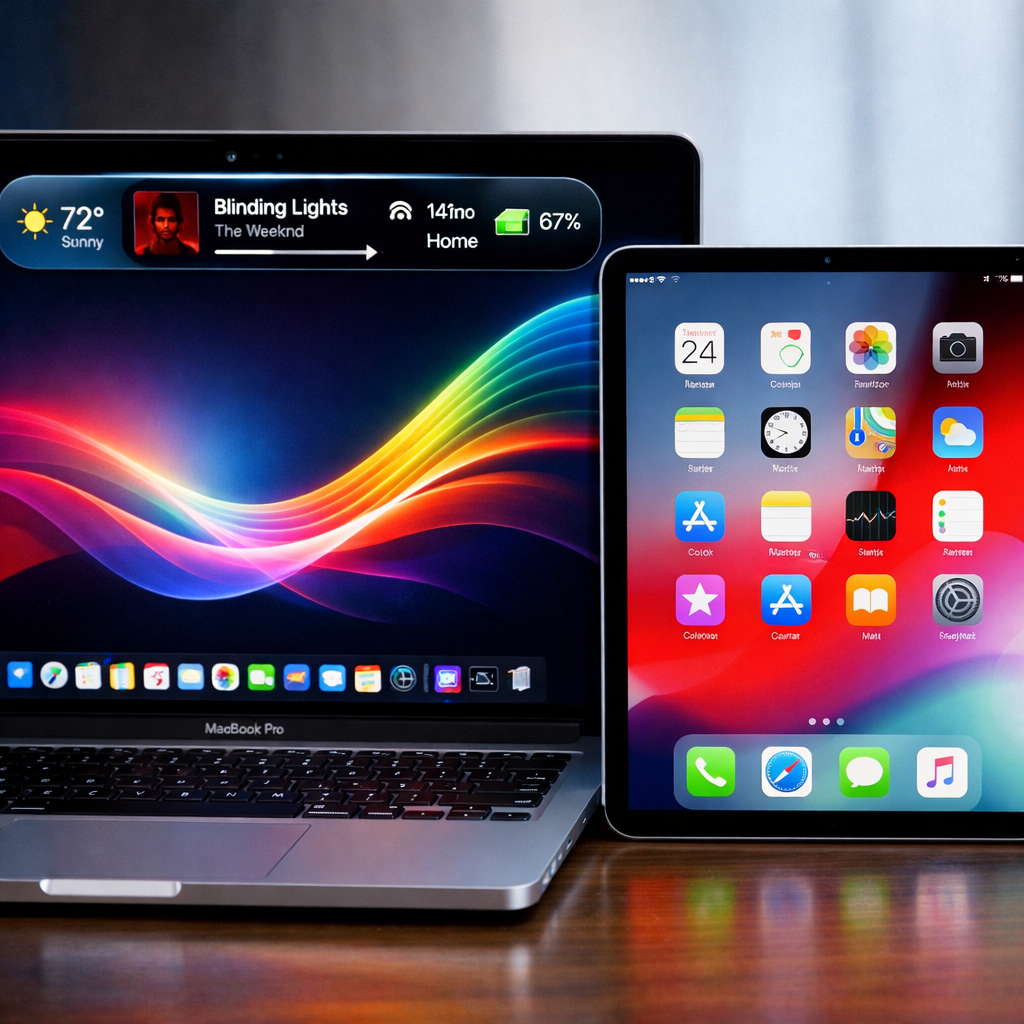
Despite the company reinforcing that its two systems will remain distinct, Mac and iPad software ecosystems are gradually sharing more features. The latest MacBook Pro models now incorporate a touchscreen display—traditionally an iPadOS hallmark—along with iOS-style UI elements like Dynamic Island and Touch functionality.
At the same time, Ternus emphasized Apple’s focus on cross-device feature integration—handoff, app continuity, and shared capabilities across iPhone, iPad, and Mac are among the areas where users are seeing tighter synergy. But central OS convergence? That’s not on the immediate roadmap.
Not the First Pushback
This isn’t a new position for Apple. In 2025, Craig Federighi, then head of software engineering, dismissed the spork metaphor—trying to force a blend between a spoon and a fork—as ineffective for the company’s software strategy. Federighi stated that trying to merge the two platforms risks creating something that’s neither one thing nor the other.
Yet the tension between differentiation and convergence remains apparent. As iPad and Mac hardware adopt overlapping features, they raise expectations—and questions—about what truly distinguishes one device from the other. Just how Apple balances shared functionality against the pull of platform-specific strength remains to be seen.
Ternus’s remarks make clear that any move toward a unified Apple OS would require a shift significant enough to change the company’s roadmap—including product design, user experience, and software engineering foundations. For now, Apple wants the best versions of macOS and iPadOS to coexist—and evolve alongside each other.
The broader stakes: combining platforms could simplify app development, reduce fragmentation, and free up resources—but risks muddying UX expectations, diluting each OS’s distinctiveness, and alienating users accustomed to one interface or the other. If Apple ever pursues a merger, it’ll need to thread a delicate needle.
Analytical Take:Ternus’s straightforward rejection of a merged OS underscores Apple’s calculated stance. Though hardware convergence—touchscreens on Macs, shared UI paradigms—suggests the company is inching toward blending experiences, it’s keeping the software DNA separate. For developers, this means focusing on deepening integration rather than preparing for an all-in-one OS. Watch for more shared frameworks, cross-platform API tools, and subtle UX harmonization. The question isn’t whether Apple will break, but when—and how—I e. it chooses to design that bridge without losing the foundation underneath.