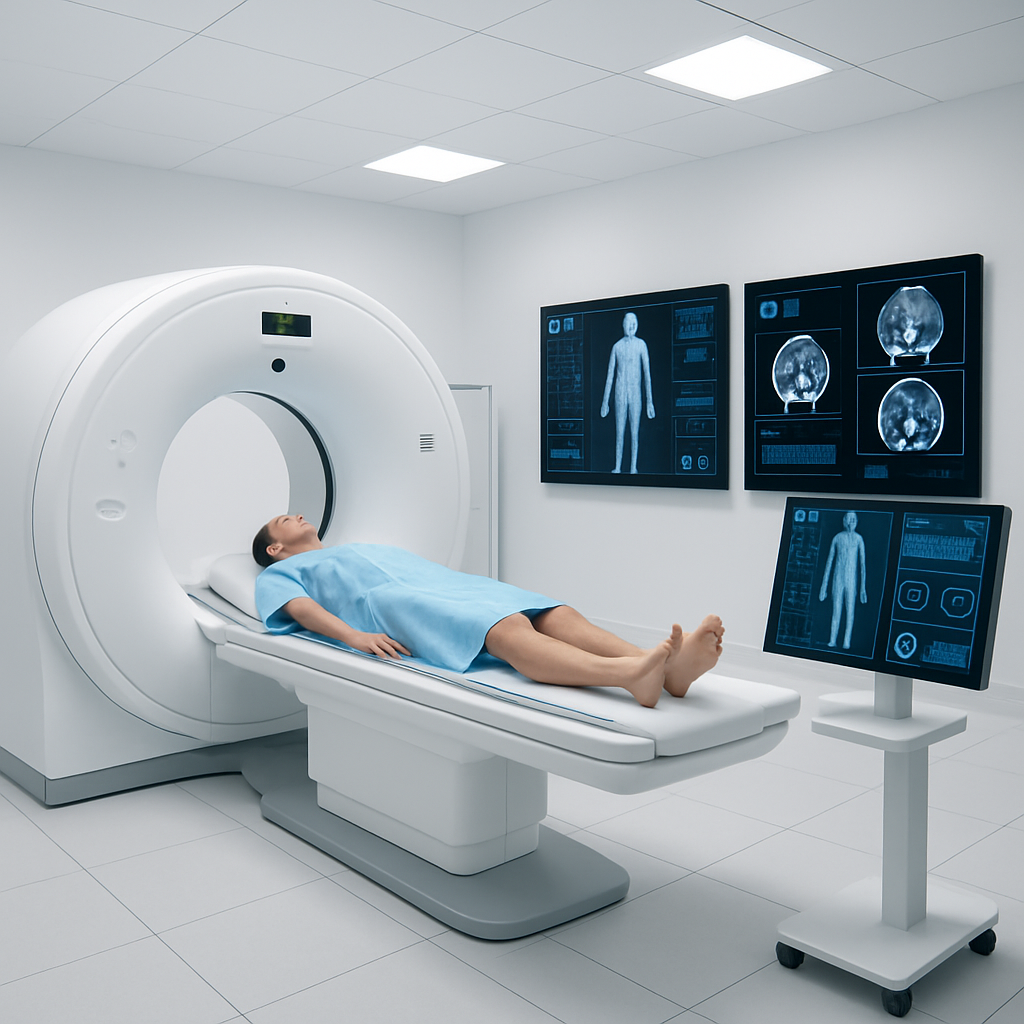
Swedish health startup Neko Health has officially launched in the United States, bringing its full-body scan technology to New York. Backed by Spotify co-founder David Ek and cofounder Hjalmar Nilsonne, the firm has raised nearly $1 billion and already counts over 300,000 people on its global waitlist. The scan examines skin, blood, and metabolic biomarkers with advanced tools, including computer vision. Its aim: catch health issues earlier and empower preventive healthcare.
U.S. Market Push & Pricing Details
Neko Health’s arrival in America comes with a dedicated clinic in New York and toward wider expansion. The cost of a one-hour full-body scan is $500. Insurance currently doesn’t cover the test, but those with Health Savings Accounts can use existing rules to get reimbursed. The company sees this pricing model as a bridge toward broader health engagement in the U.S., where preventive care remains underutilized due to cost and accessibility.
Technology & Investor Perspective
The scan includes an upgraded blood test panel—moving from an earlier version with just 15 biomarkers to now 55—and applies AI and computer vision tools. Investors view Neko Health not as a wellness gimmick, but a potential game-changer in preventive medicine. Farooq Abbasi from Preface Ventures, who has invested, believes the tech offers “actionable insights” that can truly improve people’s lives.
Challenges Ahead
Scaling the operations in the U.S. remains one of Neko Health’s early obstacles, alongside securing regulatory approvals. While the clinic model has traction in New York, the company will need to navigate complex frameworks to expand clinic locations and integrate with the healthcare system.
With founders from Spotify deeply involved, high-profile funding, and a large waitlist already, Neko Health has momentum. But even with $1 billion raised and a clinic in New York, the path from startup to mainstream means addressing regulatory, pricing, and medical legitimacy questions.
What this means:Neko Health represents a rising class of health tech firms trying to shift U.S. care from reactive to proactive. If it succeeds, the model could reshape insurance structures, diagnostic testing, and consumer expectations for wellness. But its credibility will hinge on clinical validation and its ability to make pricing more accessible.