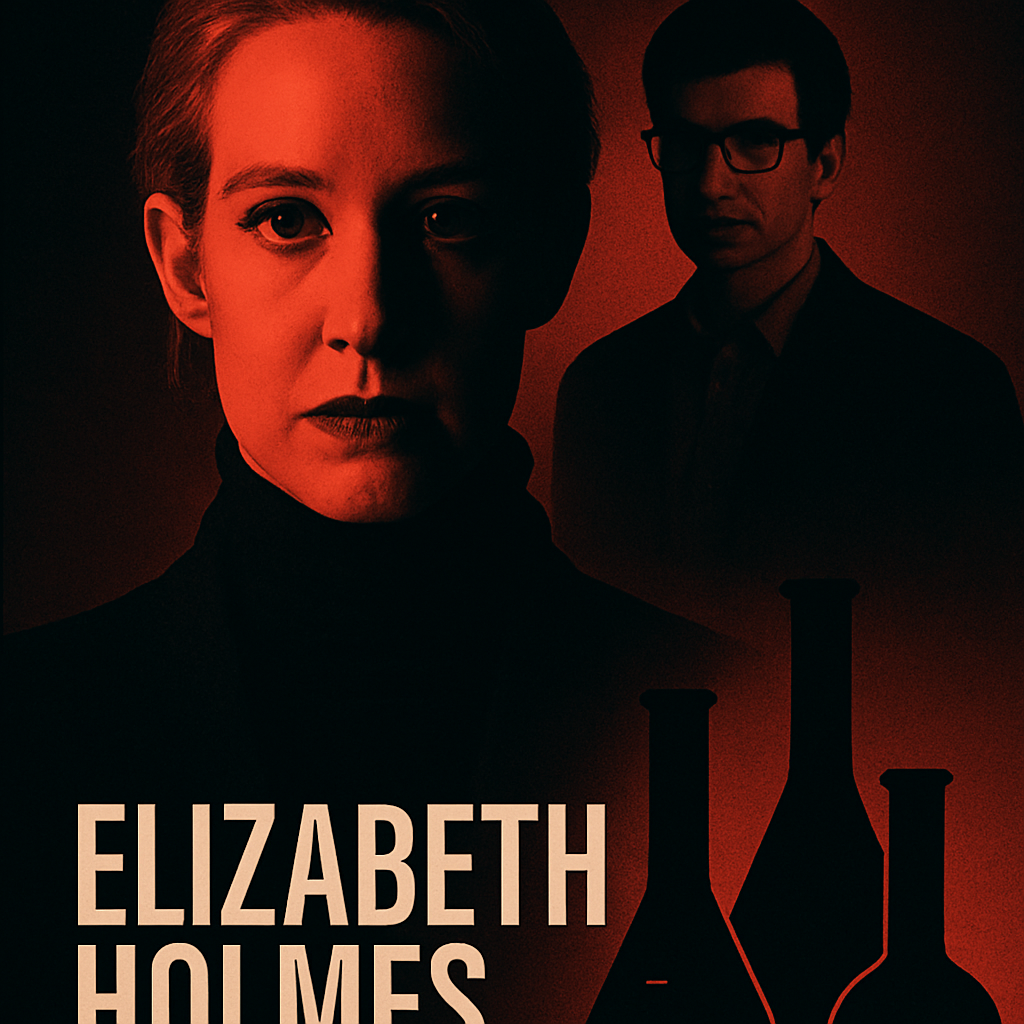
Comedy filmmaker Nathan Fielder is turning his lens toward one of Silicon Valley’s most notorious figures. His new documentary, titled You Can See Everything, centers on Elizabeth Holmes—founder of the ill-fated blood-testing company Theranos—who continues to publicly maintain her innocence. The first trailer has dropped, and the film is set to premiere in theaters on October 16.
For those less familiar: Elizabeth Holmes once helmed Theranos, a startup that promised breakthrough blood-testing tech but was later exposed for fraud. She remains a polarizing figure—was she simply idealistic and misguided, or did she purposely deceive investors, patients, and employees?
Fielder vs. Holmes: A Clash Of Worlds
Nathan Fielder is best known for his surreal, often uncomfortably funny approach to truth and social awkwardness. His work thrives on highlighting human absurdities by pushing people into awkward scenarios that force them—and the audience—to reckon with their own expectations of normality. Pairing his style with Holmes, who still insists she did nothing wrong, offers a compelling contrast: a man who deconstructs performance, and a woman who may or may not still be performing.
The documentary promises an intimate look at Holmes’s ongoing narrative—how she presents herself post-Theranos, and how the public continues to grapple with her story. The trailer teases this tension unapologetically. Fielder’s approach appears far from sympathetic or straightforward; it seems to push viewers toward interpreting Holmes’s claims for themselves.
Release Date & What’s Next
The film debuts in theaters October 16. The trailer is already available online, giving audiences their first taste of what to expect. We don’t yet have details on which theaters will show it or whether there will be limited screenings followed by wider distribution.
Holmes and Theranos are far from closed chapters—legal fallout, lingering questions about liability, ethics, and technology’s power to deceive continue to draw interest. This documentary could stir the pot by reviving public discussion about biotech accountability and the cult of personality in tech culture.
Why this matters: In an era when tech founders are often lionized or demonized in equal measure, this film asks who gets to control the story—and how much of what we see is constructed. Fielder’s lens might not give us clean answers, but by spotlighting Holmes’s insistence on innocence, it asks whether our era is too quick to judge—or too eager to believe. What’s next is whether this film shifts any public perception, or simply reminds us that Silicon Valley’s reckoning is far from over—and often stranger than fiction.