Motorola’s approach to Android software updates continues to perplex consumers, as evidenced by the recent release of the Edge 70 Max. This device, notable for its built-in Qi2 magnets, has brought to light the company’s inconsistent and often contradictory update promises.
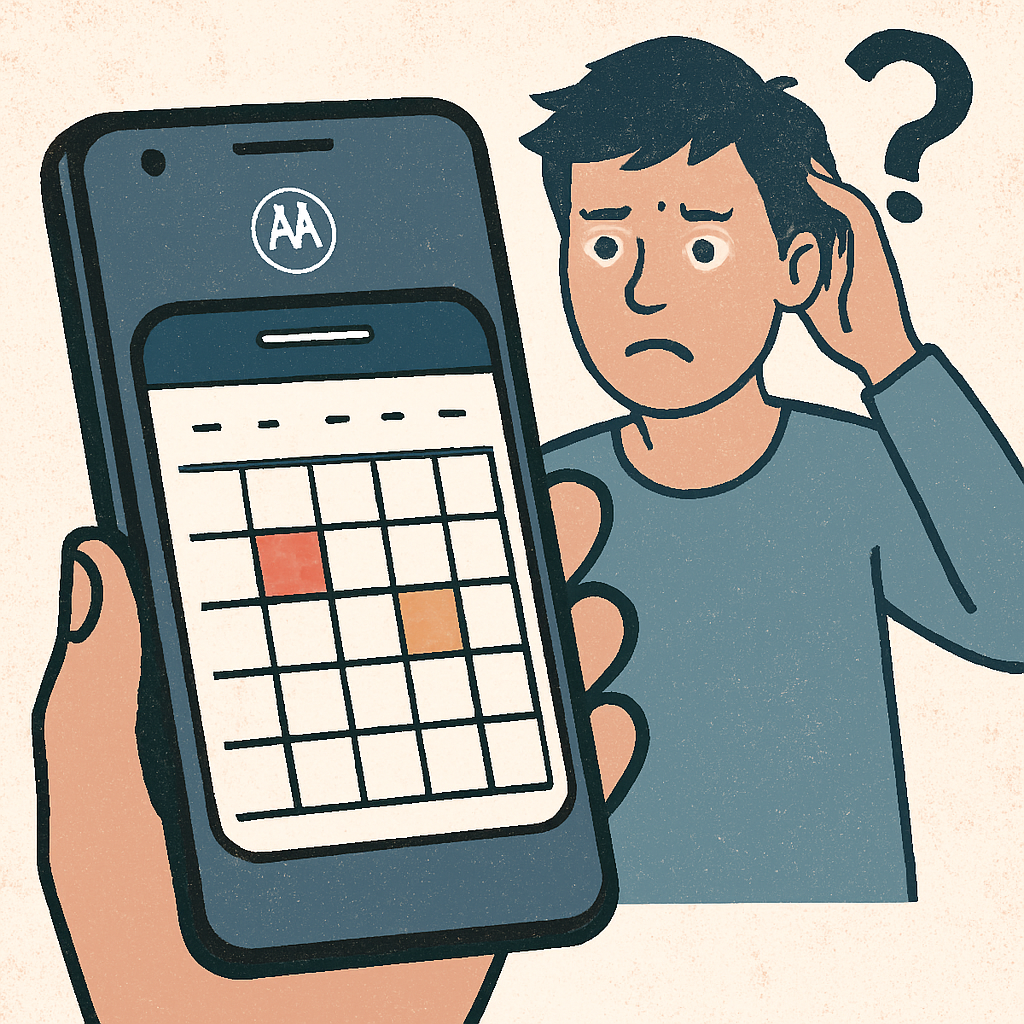
Upon its UK launch, Motorola’s website indicated that the Edge 70 Max would receive security updates until 2031, along with “up to 3 years” of operating system (OS) updates. However, a footnote clarified that this commitment includes “2 OS upgrades and up to 3 years of security updates starting from the global launch date.” This clarification not only contradicts the initial statement but also deviates from the industry standard, where “3 years of OS updates” typically means three OS upgrades.
Further complicating matters, regional variations in Motorola’s update policies add to the confusion. For instance, in Sweden, the Edge 70 Max is promised both OS and security updates for only three years. Additionally, the European Union’s EPREL label for the device indicates a seven-year update commitment, further highlighting the inconsistencies.
These discrepancies are not isolated to the Edge 70 Max. Similar issues have been observed with other Motorola devices, including the Razr 70 series. While the Motorola Signature and Razr Fold models are promised seven years of OS and security updates, other devices lack clear and consistent update policies.
Motorola’s history with software updates has been checkered. In 2019, the company stated that the Moto Z4 would only receive an update to Android Q, with no plans for Android R. In 2024, the Razr+ (2023) had not received its Android 14 update over seven months after its release, despite Motorola’s commitment to providing three major Android updates and four years of security patches.
In contrast, competitors like Samsung and Google offer more transparent and extended update policies. Samsung provides up to four years of OS updates, while Google offers at least three years, setting a higher standard for device longevity and security.
For consumers, these inconsistencies mean that purchasing a Motorola device comes with uncertainty regarding future software support. This lack of clarity can impact the device’s longevity, security, and overall user experience. As the smartphone market becomes increasingly competitive, clear and consistent software update policies are crucial for building consumer trust and ensuring device longevity.