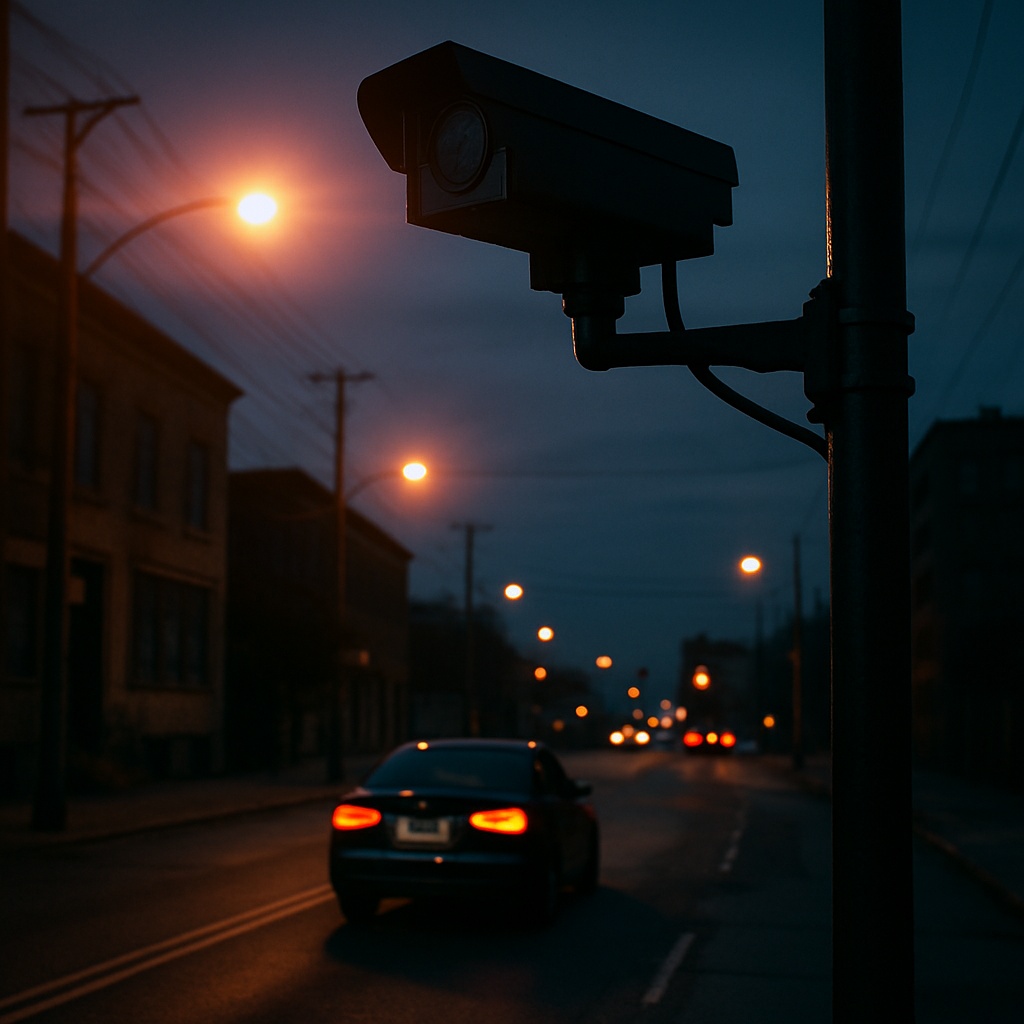
A recent YouGov poll reveals a dramatic shift in U.S. public opinion toward police use of automatic license plate reader (ALPR) cameras. Among 20,000 adults surveyed, 46% now disapprove of such systems being deployed in their communities, while 38% favor them. Last year, support stood at 45% and opposition was just 33%, showing a notable reversal of attitudes. These results reflect growing anxiety over surveillance and civil liberties. No apologies—just facts.
At the center of the debate is Flock Safety, one of the largest providers of ALPR systems in the U.S. With over 120,000 cameras in operation nationwide that capture license plate data across neighborhoods, highways, and other public roads, the company’s scale has become part of what opponents describe as pervasive surveillance. Flock’s technology has faced intense criticism for alleged misuse by law enforcement agencies, including cases where data was used for tracking people beyond criminal investigations. I know, grim.
Policy Changes Meet Skepticism
In response to mounting backlash—ranging from public protests to infrastructure vandalism—Flock recently introduced multiple reforms aimed at tightening how its ALPRs are used. Among the changes: reducing default data retention from a month to one week (unless tied to an active investigation), mandating that law enforcement departments use an audit tool to flag abnormal searches, and requiring a case number or justification for every access request. No, “investigation” or “hehehe” won’t cut it this time.
However, watchdogs like the American Civil Liberties Union (ACLU) and other civil rights groups argue that many of these changes are cosmetic. The audit assistance tool, for instance, has not been independently evaluated, leaving open questions about how effectively it detects abuse. Local control mechanisms—allowing individual jurisdictions to set parameters on the permitted uses of the data—are seen as potentially weak, especially given past examples in which police departments circumvented restrictions using vague or misleading search reasons. Bad actors gonna bad act.
Real-World Reversals & Resistance
The public’s shifting attitudes are matched by policy changes at the local level. In 2026, dozens of cities, counties, and law enforcement agencies have rejected, paused, or canceled contracts with Flock or deactivated its cameras. States like Wisconsin and California have led in terms of rejections. In many cases, privacy and data security concerns were central to decisions to terminate or not renew these arrangements.
Lawmakers are also getting involved. Congressional inquiries have been launched to examine Flock’s data practices and its relationships with federal agency access. Critics argue that despite Flock’s measures, unchecked data sharing and search authority pose ongoing risk. Flock maintains its technology has widespread support and that new safeguards show deliberate progress, though they concede that support is “not unconditional.”
This isn’t just about ALPRs. It’s part of a national reckoning over how much surveillance is acceptable in the name of safety. As more Americans perceive police license-plate readers to be a threat to privacy rather than a crime-fighting tool, pressure is growing for stricter oversight, clearer regulations, and accountability that law enforcement and surveillance firms can’t easily sidestep.
Why this matters: Trust in public safety tools depends not just on efficacy, but on transparency and accountability. These evolving attitudes could reshape legislation, partnerships between surveillance providers and municipalities, and even corporate strategy. What to watch next: independent audits of ALPRs; clarity on data retention policies; and whether lawmakers across states move to ban or restrict searches for sensitive categories like immigration or reproductive health. The balance between security and privacy has become a new tug-of-war—and the public appears to be moving toward the privacy side.