Newly disclosed vulnerabilities in OWASP ModSecurity are enabling attackers to bypass Web Application Firewall (WAF) protections by exploiting differences in parsing logic, misinterpretation of malformed input, and errors during data transformations. These flaws impact inspection routines for HTTP requests and responses, creating potential blind spots for organizations that depend on ModSecurity to catch malicious payloads.
Key Vulnerabilities and Their Risks
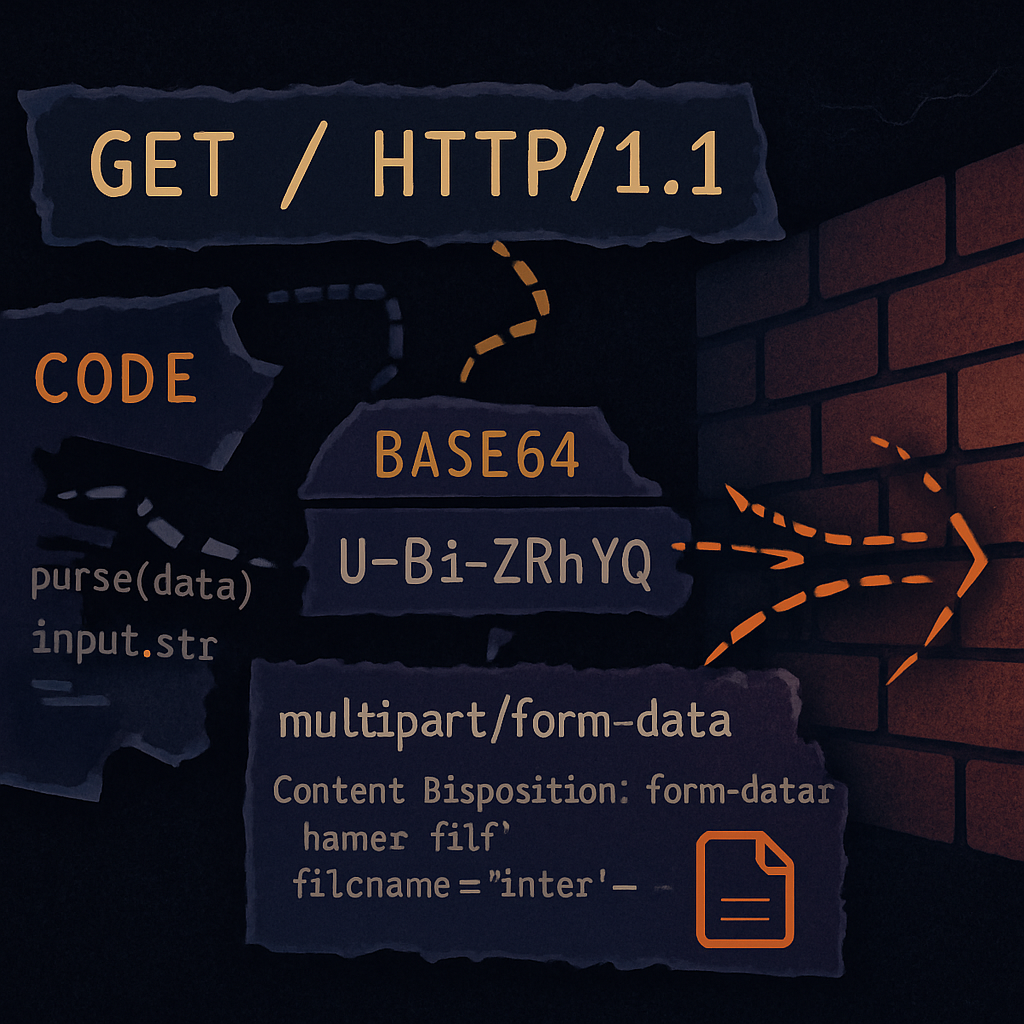
The most serious flaw, marked GHSA-5pww-8rfg-9crf, involves the RFC 2231 filename* parameter in multipart HTTP uploads. While ModSecurity enforces strict filename validation, many application backends built in Go, Python, Node.js, or Java process encoded filename* values differently. Attackers can send uploads where the filename encoded under RFC 2231 slips past the firewall’s checks, then gets accepted by the backend—resulting in dangerous files or paths being allowed in, even though ModSecurity flagged them in standard filename fields. The severity is rated High due to the ease of evasion this mismatch enables, including attackers using forbidden extensions, path traversal tricks, or malicious filenames.
Another Moderate-severity issue, GHSA-4j47-8qcr-jf59, relates to the t:base64DecodeExt transformation. If it encounters a malformed Base64 padding group, it drops the entire decoded output silently. Because many WAF rules are built to detect attacks via Base64-encoded strings (such as SQL injection or web shells), losing this data means those rules could miss dangerous payloads entirely.
Yet another issue, GHSA-qrch-pjfr-9g47, affects the removeComments transformation. This feature is supposed to strip comments from inputs, but when comments are placed adjacently or used to split up malicious keywords, ModSecurity may not normalize the full expression correctly. That leaves attackers room to obfuscate commands or SQL statements using interspersed comment syntax, bypassing pattern-matching rules even though the backend reassembles the hidden payload.
Other Weaknesses to Watch
Several additional flaws have been identified: bypasses of response body inspection, a pointer dereference fault in XML request-body processing, weak multipart form-data parsing, and cases where PCRE2’s global match-limit errors are treated as non-matches. Together, they highlight the danger when a WAF’s parsing or inspection behavior doesn’t match up with the backend’s understanding of input.
Administrators are strongly encouraged to consult release notes and official security advisories from ModSecurity and upgrade to fixed versions wherever they are available. Equally important is validating existing rules against uncommon forms of input—encoded, malformed, multipart, or using comment obfuscation—to ensure they catch what they intend to. Also, relying purely on signature-based defenses isn’t enough: layered security and defense-in-depth measures are essential.
Why this matters: Web Application Firewalls are often a first line of defense. When they fail to catch an exploit that the backend accepts, the whole protection chain weakens. These vulnerabilities show that subtle shifts in how data is parsed or transformed can open dangerous gaps. Organizations big and small should test their WAF deployments rigorously—don’t let assumptions about normal input lull you into blind spots. Pay special attention during patches and upgrades to both the WAF and the applications behind it. What to watch for next: how rapidly vendors roll out patches, and whether new bypass techniques emerge from security researchers now armed with knowledge of these flaws.