French AI lab Mistral AI has completed a €3 billion funding round, pushing its valuation beyond €21 billion. The latest equity raise is the largest ever recorded by a European tech company. Major contributors include Samsung Electronics, the Scaleup Europe Fund (managed by EQT), and longtime investor PSG Equity. New investments came from Advent and BlackRock, while U.S.-based backers like a16z, Nvidia, and Salesforce Ventures also participated. The Luxembourg government joined as well.
This funding will fuel Mistral’s ambitions to scale infrastructure, expand global reach, and sharpen its commercial strategy. Among its major goals: building 1 gigawatt of compute capacity in Europe by 2030, and rolling out tools that let enterprise and government customers dictate where their AI workloads run. It is hosting third-party open-weight models—including those from China—to give users more transparency and control over model choice and deployment.
Strategic Positioning in an Era of AI Tension
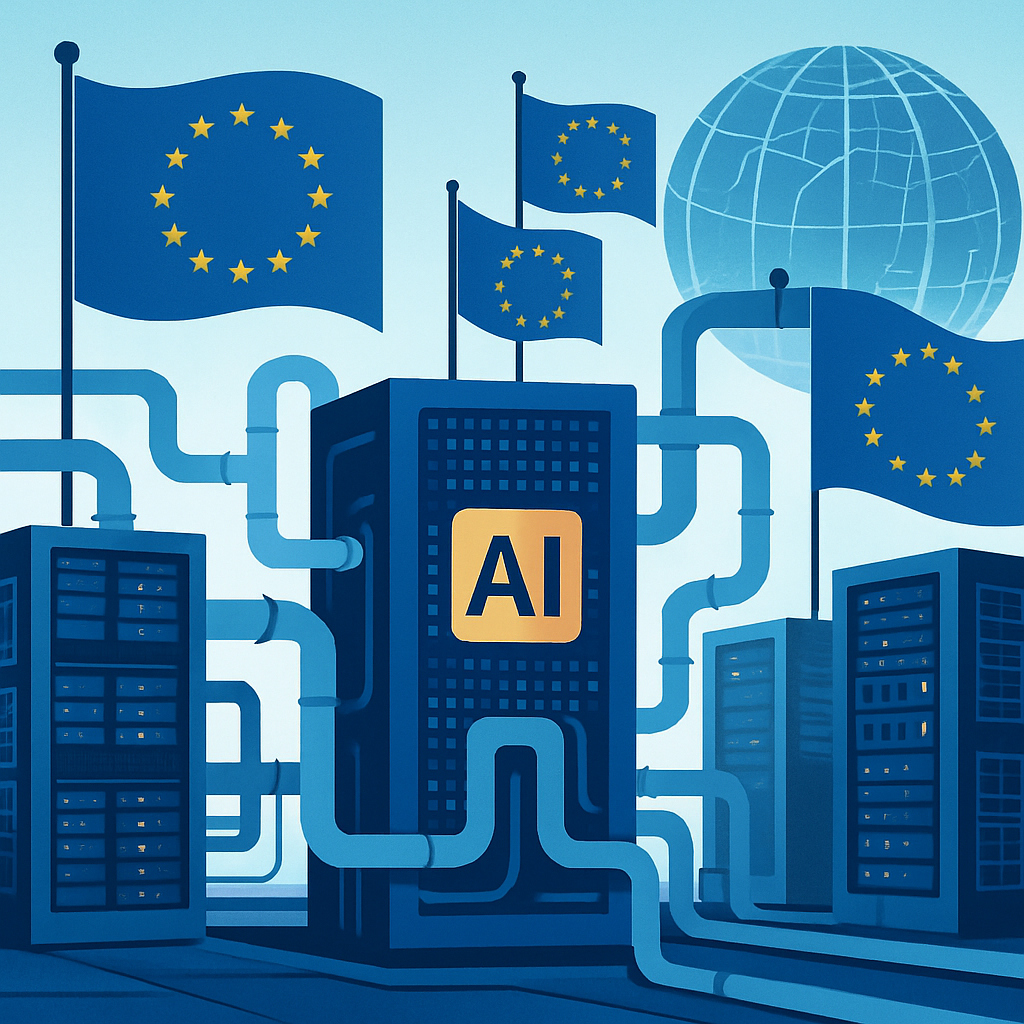
Mistral is clearly embracing a position sometimes called “sovereign AI,” aimed at easing Europe’s dependency on U.S.-based technology providers. While its models haven’t achieved mainstream adoption yet, the company stresses that it’s not trying to clone ChatGPT; instead, it views itself as a research-driven AI lab with strong offerings to corporate and public sector clients. It operates in 20 countries and focuses on helping organizations maintain control over data, model usage, and deployment regions.
Samsung’s involvement in the funding round comes with France’s blessing, and has been tied to broader collaboration goals between France and South Korea toward creating a “third way in AI” that neither aligns fully with U.S. tech giants nor isolates Europe. Geopolitical concerns around AI regulations are increasingly influencing investment, partnerships, and product design.
Challenges and the Path Forward
Despite its international backing, Mistral knows France alone couldn’t support its ambitions. The company has teamed up with Dutch chipmaker ASML and secured investors across Europe and the U.S. to build a hybrid backing base. Its still-developing frontier models remain central—it calls them the foundation for sovereignty, infrastructure, and product strategy, countering perceptions that it’s simply offering inference services.
It continues to work with U.S. players through strategic partnerships. Microsoft remains a key partner, and many American VCs took part in the latest funding move. Yet, the company’s strong European investor base and its focus on customers who prioritize regional control over where their AI models run give it a unique angle in a rapidly evolving global AI landscape.
Analytically, Mistral’s breakthrough raise symbolizes a turning point. In a space long dominated by U.S.-based companies, a European lab is gaining serious financial muscle and pushing a sovereignty-first narrative. What to watch now: how quickly Mistral can convert its infrastructure ambitions into performance parity with leading AI labs, and whether regulatory pressure—particularly in Europe and the U.S.—will accelerate demand for companies that offer users control over data rights, deployment geography, and model selection. If Mistral delivers on these fronts, it could set a new template for how AI labs build trust and scale globally without being tethered exclusively to U.S. tech hegemony.