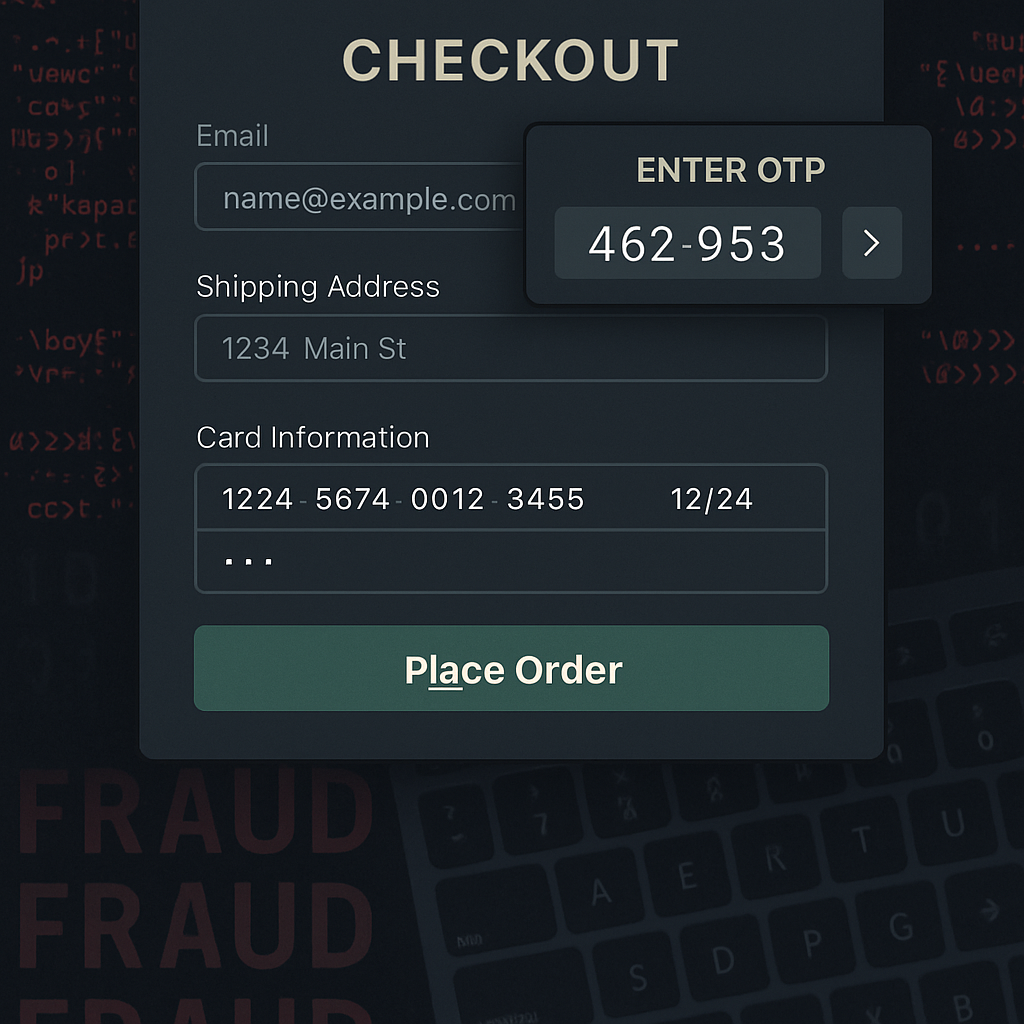
A newly identified phishing kit called Milk Dragon (also dubbed NaiLong) is raising alarms across 66 countries by effectively bypassing multi-factor authentication (MFA). Since October 2025, it has impersonated real retail sites on fake WordPress stores and used live OTP interception and WebSocket keylogging to make fraudulent transactions appear legitimate.
How Milk Dragon Pulls Off the Deception
The scheme starts with bargain-style ads posted on social platforms or marketplaces, featuring steep discounts on everyday goods. These offers often originate from accounts that use purchased followers or AI-generated content to appear credible.
When victims click through, they’re directed to what looks like a real store built with WooCommerce. Yet underneath, a malicious plugin called BytePress alters the functionality—offering fake payment methods (including credit card or PayPal options) and forwarding all submitted data to a criminal backend. Crucially, BytePress sets up a persistent WebSocket using Socket.IO, enabling attackers to see every keystroke in real time, even before a victim submits a form.
OTP Relay & MFA Circumvention
After entering payment and account details, victims often land on a phony verification page that mimics a legitimate 3D Secure flow. Here’s where the real danger lies: operators manually select a template that matches the bank’s authentication screen, then prompt victims for the one-time password. That OTP gets immediately relayed to authorize the transaction or hijack the account.
Group-IB’s analysis found that since October 2025, there have been 258 distinct phishing pages using Milk Dragon, plus 36 verification templates designed to match specific financial institutions. Those numbers underscore how far this phishing-as-a-service (PhaaS) kit has evolved to automate deception.
Why Social Commerce Is the New Phishing Battleground
Rather than use scare tactics common in email phishing, Milk Dragon plays the long game by exploiting impulse buying and fear of missing out through social commerce. Because ads appear as ordinary bargains, people are less alert. Once a user engages, the attack flow gives criminals everything—billing data, order info, OTPs—all in real time.
The service is sold via Telegram, starting around 300 USDT per month, and includes ongoing support and updates via joint backend infrastructure. Multiple phishing pages, role-based accounts, notifications, and templates tailored to specific banks or regions make the operation scalable.
Defenses & What to Do
For individuals, warning signals include incoming sales offers that seem too good to be true, especially from unfamiliar social media accounts. Before submitting payment information, verify the shop independently via reputable sites or domain reputation tools. If you’ve already shared card data or an OTP, contacting your bank immediately is crucial.
On the organizational side, monitoring for lookalike domains and unexpected checkout patterns helps with early detection. Combatting this problem also means investing in phishing-resistant forms of authentication, like hardware or app-based second factors, which reduce the usefulness of stolen OTPs. Infrastructure tracking can reveal reused components, helping to shut the campaign down at scale.
Milk Dragon isn’t the first phishing-kit tool built to bypass MFA by relaying one-time codes—but its real-time keylogging and WebSocket streaming make it especially dangerous. What stands out is the use of standardized templates, Telegram-based PhaaS sales, and convincing impersonation of banks’ 3DS workflows.
Why it matters: As criminals turn social commerce into a delivery channel for fraud and weaponize live data streams, MFA alone isn’t enough. Companies must embrace stronger authentication options and raise awareness of how carefully crafted phishing scams can feel normal. Keep an eye out for suspicious social offers and demand verification—increasingly, the difference between safe browsing and a compromised account boils down to a clever relay attack.